Is Tallgrass Prairie National Preserve worth it?
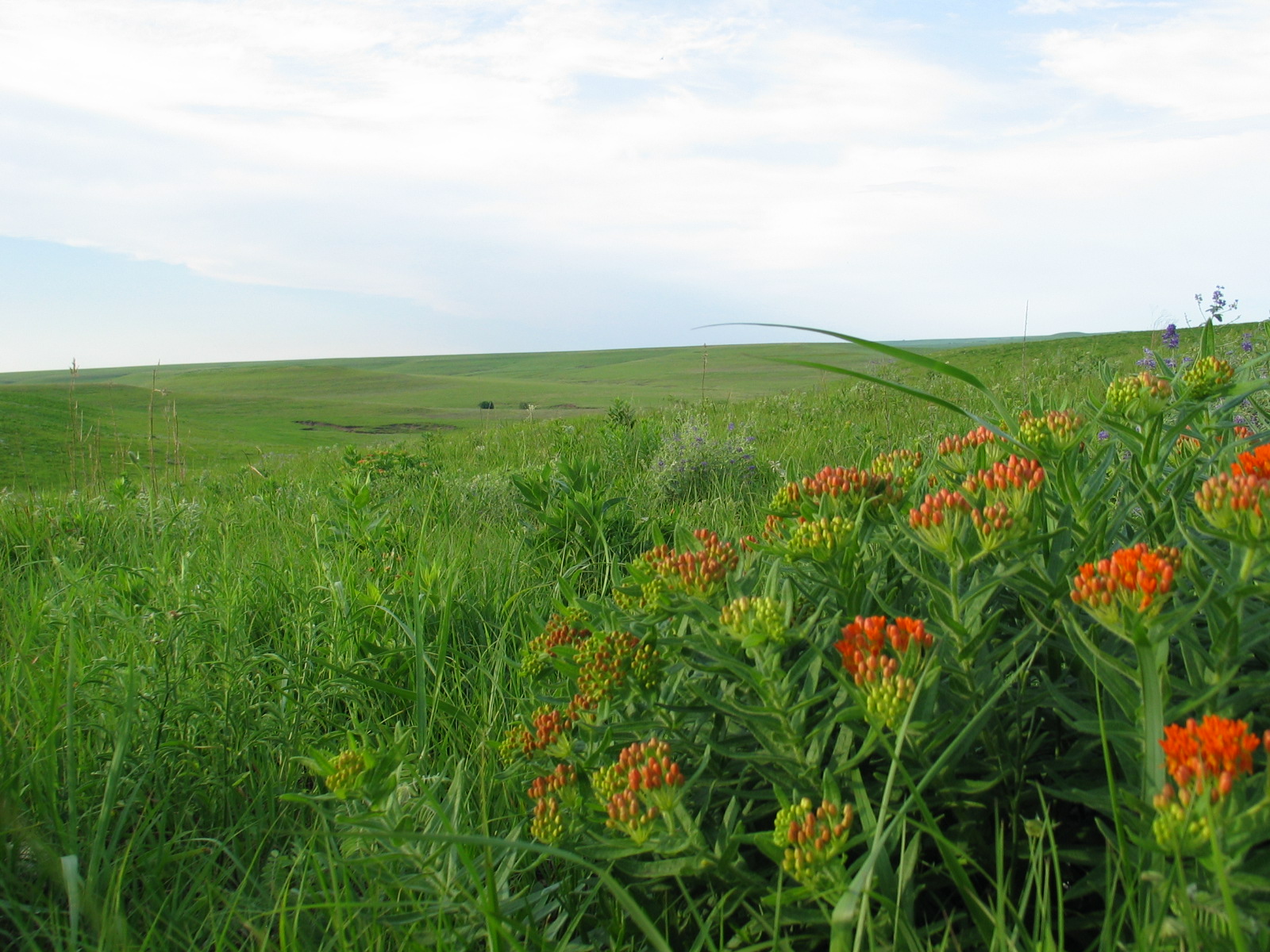
Most people have never stood inside a functioning tallgrass prairie, and that gap in experience is exactly what this free Kansas preserve corrects.
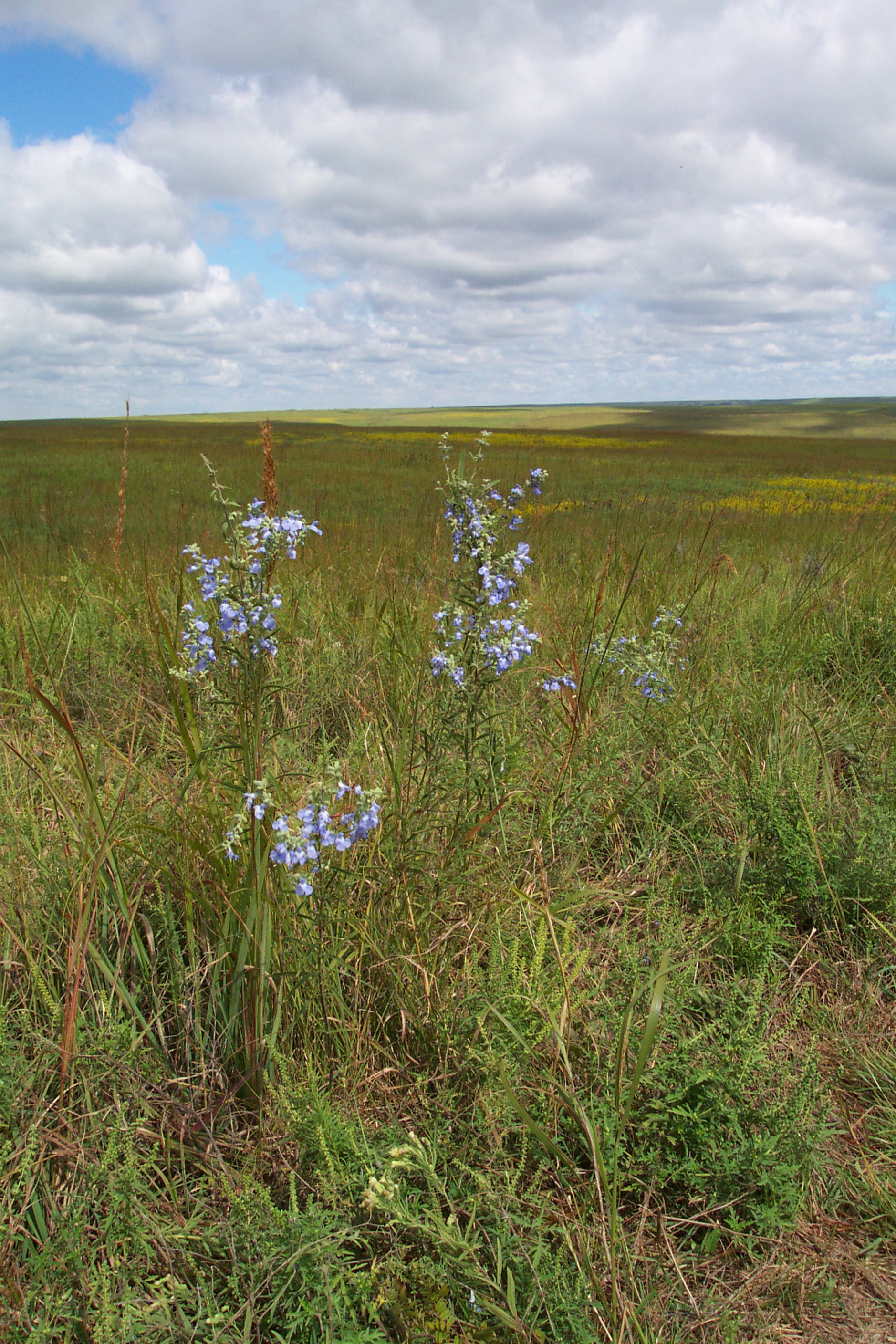
Less than 4% of the original ecosystem survives, and the Flint Hills hold the largest intact remnant. It rewards visitors who slow down: bison roam, grasses ripple in the wind for miles, and the night sky over open prairie is genuinely arresting. Not a destination for waterfall-chasers or summit-baggers, but as a window into a nearly lost American landscape, it earns its 88 score.
Who it is for
History-minded hikers, birders, amateur astronomers, and families wanting a low-cost, low-crowds nature day will get the most from this. Visitors expecting dramatic terrain or dense amenities should look elsewhere.
Highlights
- Bison and grassland wildlife watching across one of North America's last intact tallgrass ecosystems
- Stargazing on trails open 24/7 with virtually no light pollution for miles
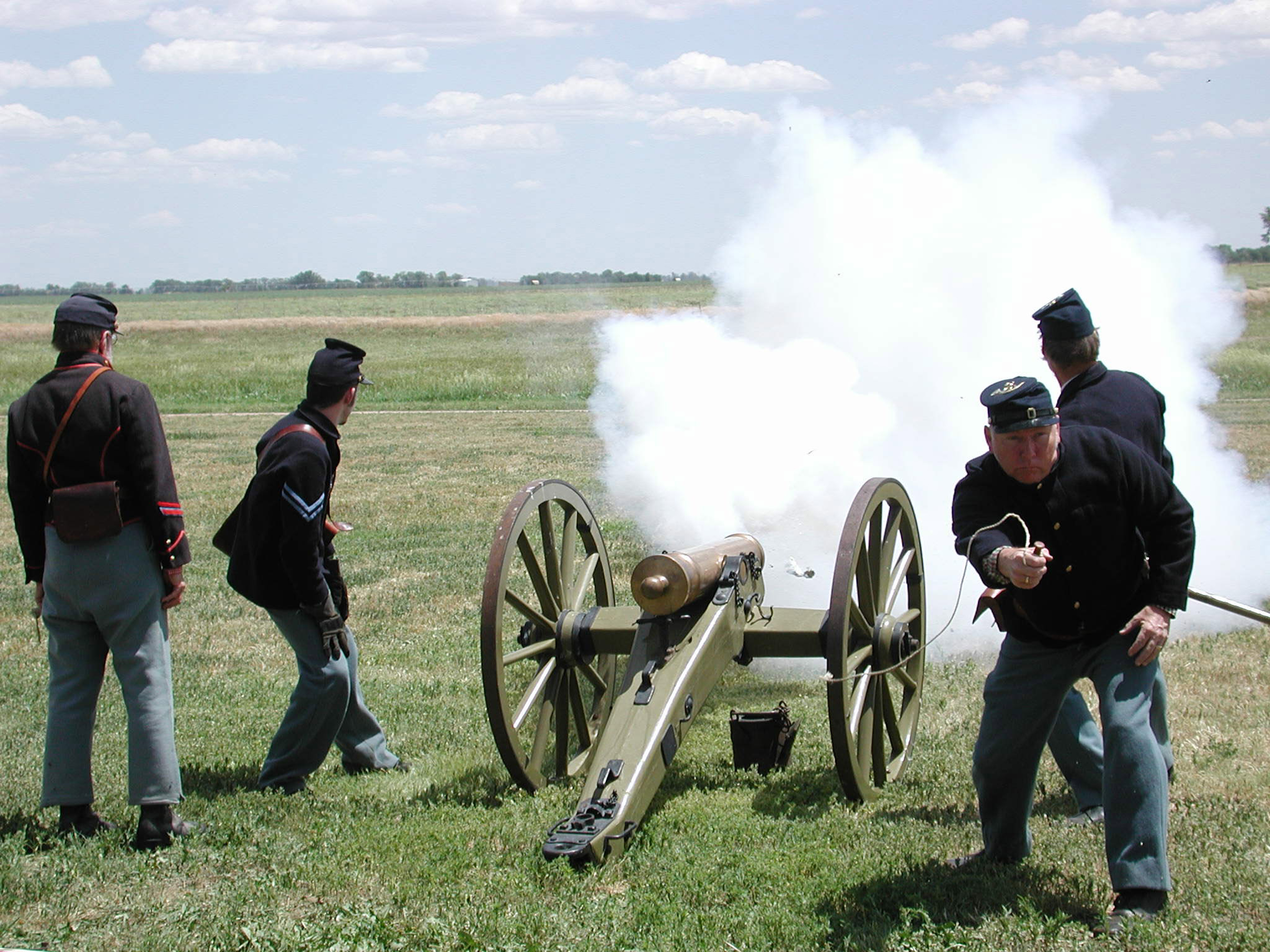
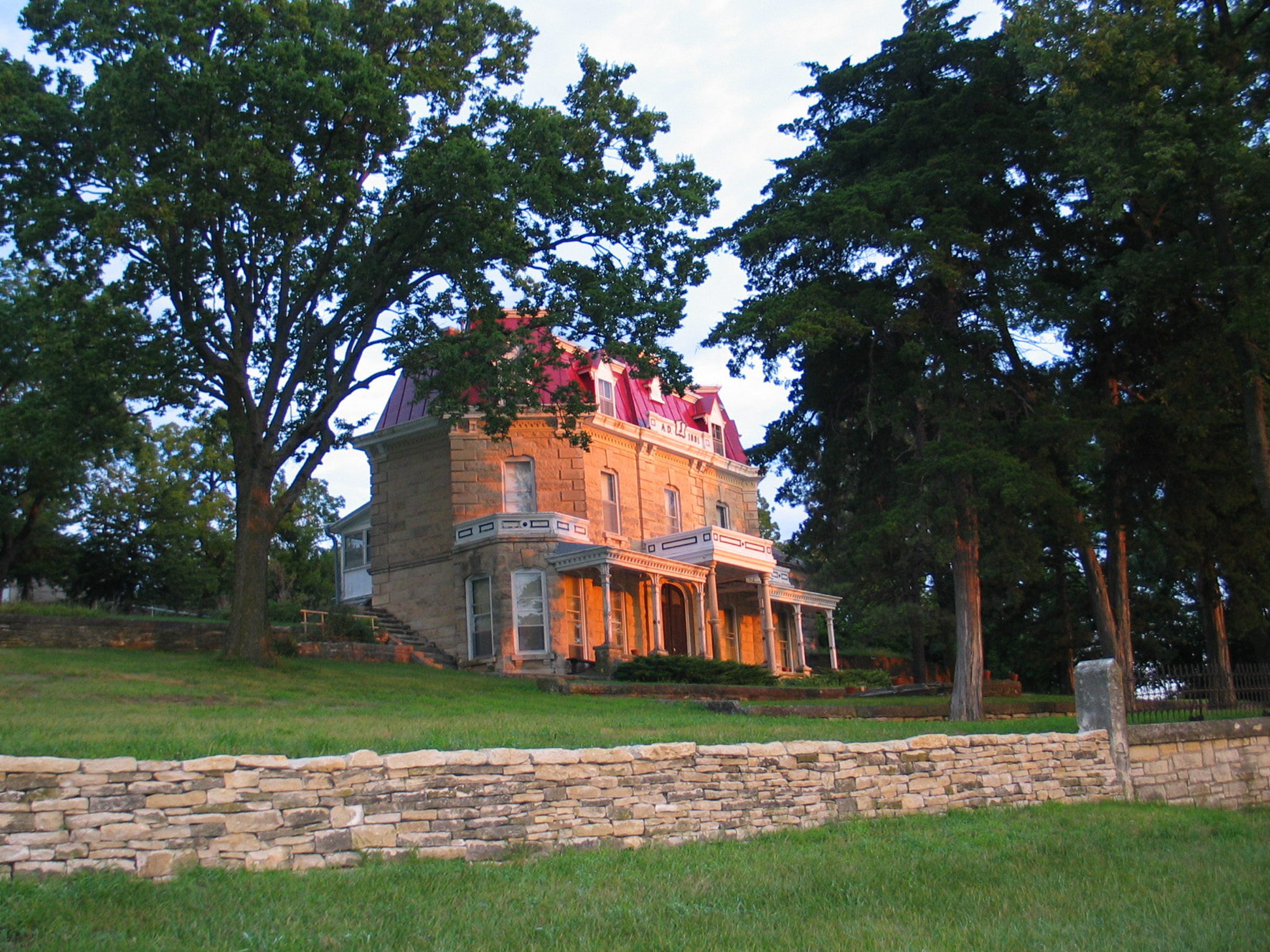
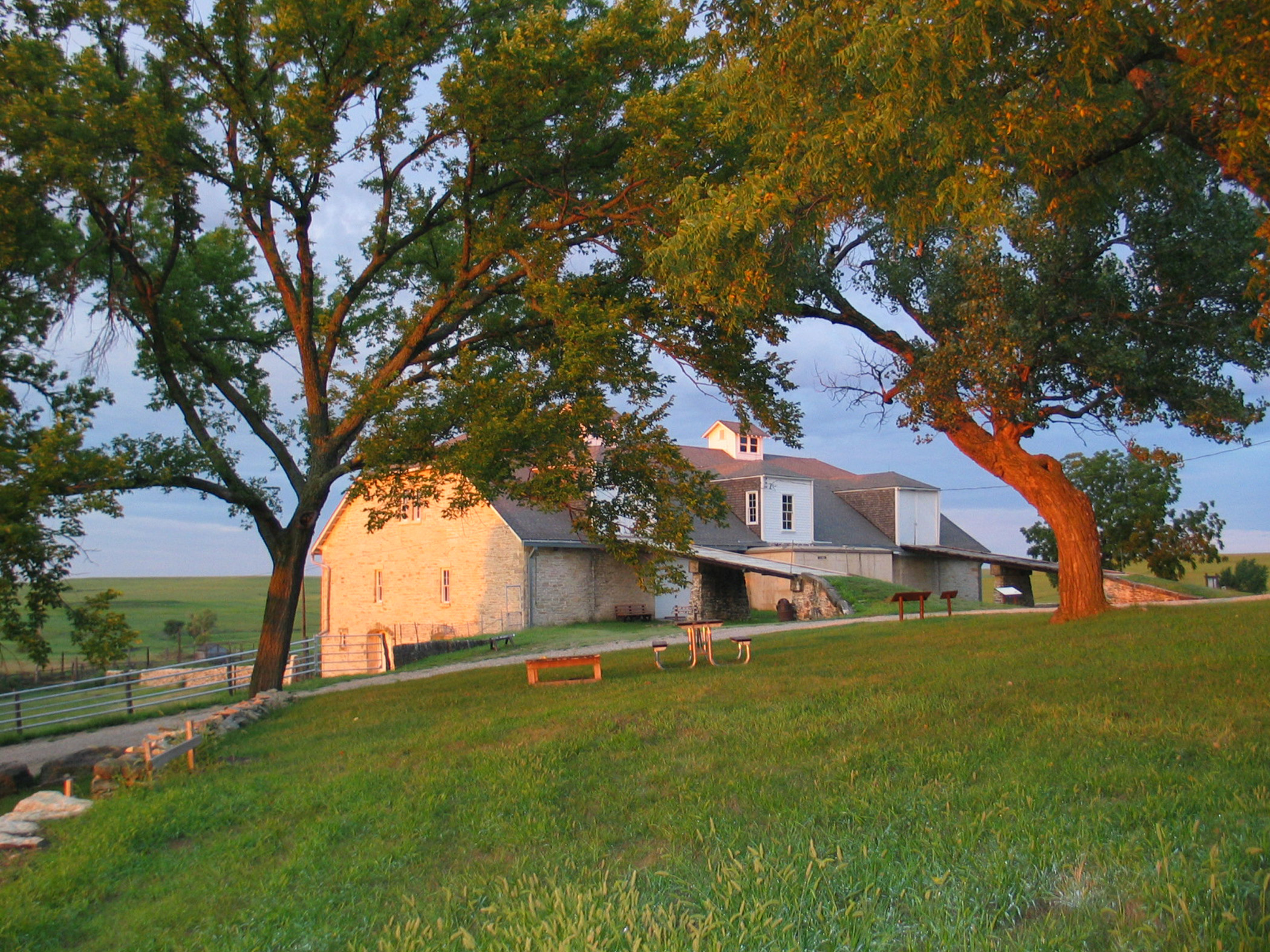
- Living history and guided tours through the preserved 19th-century ranch buildings on site
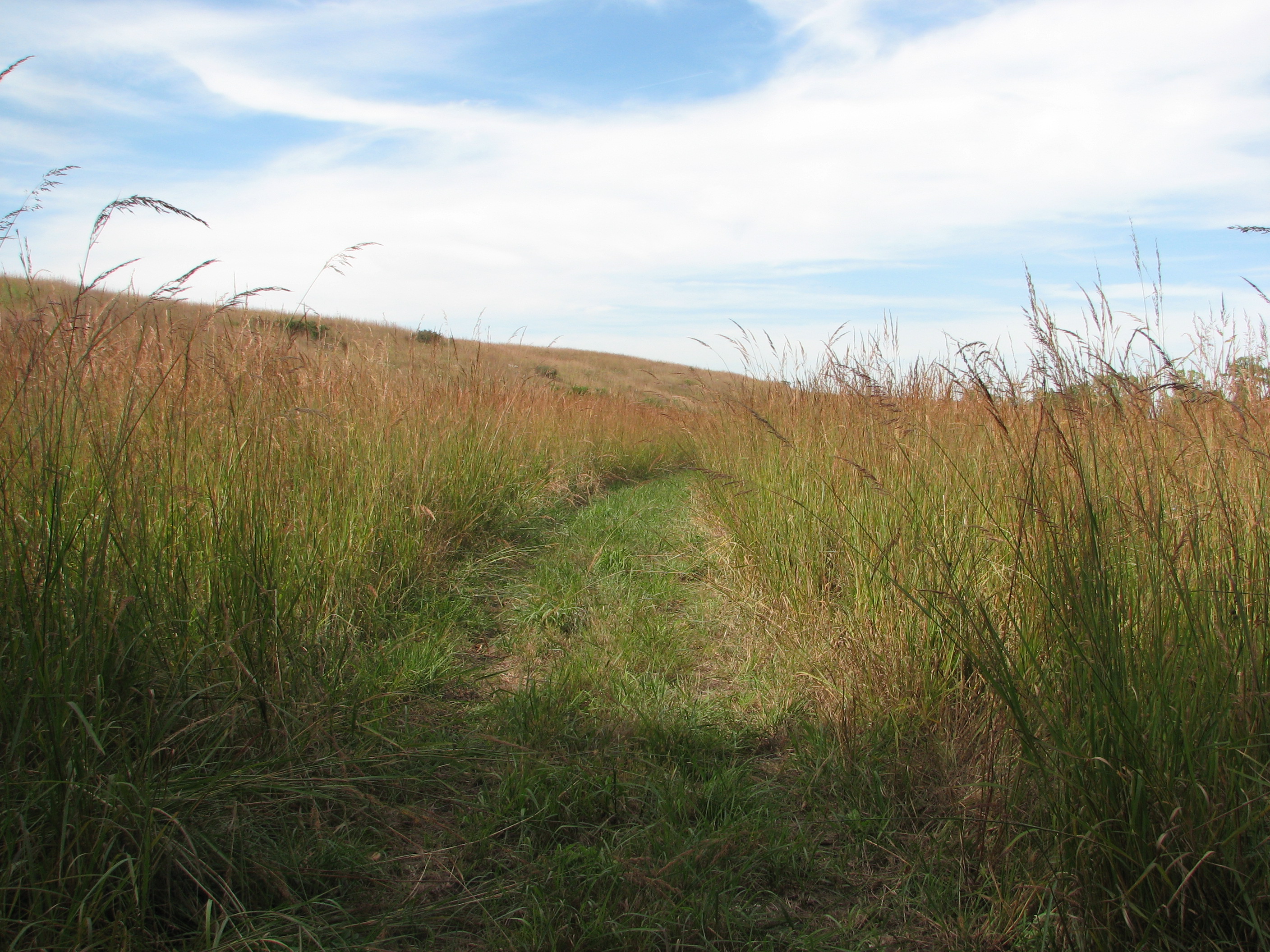
- Backcountry hiking through rolling Flint Hills prairie with no entrance fee
Editor's tipVisit in late spring when the grasses are actively growing and guided tours run most frequently. Check trail closure signs at the trailhead before heading out, since bison operations and prescribed burns can shut sections with little advance notice.