Is California National Historic Trail worth it?
This is not a park you visit so much as a history you inhabit across a 5,000-mile corridor.
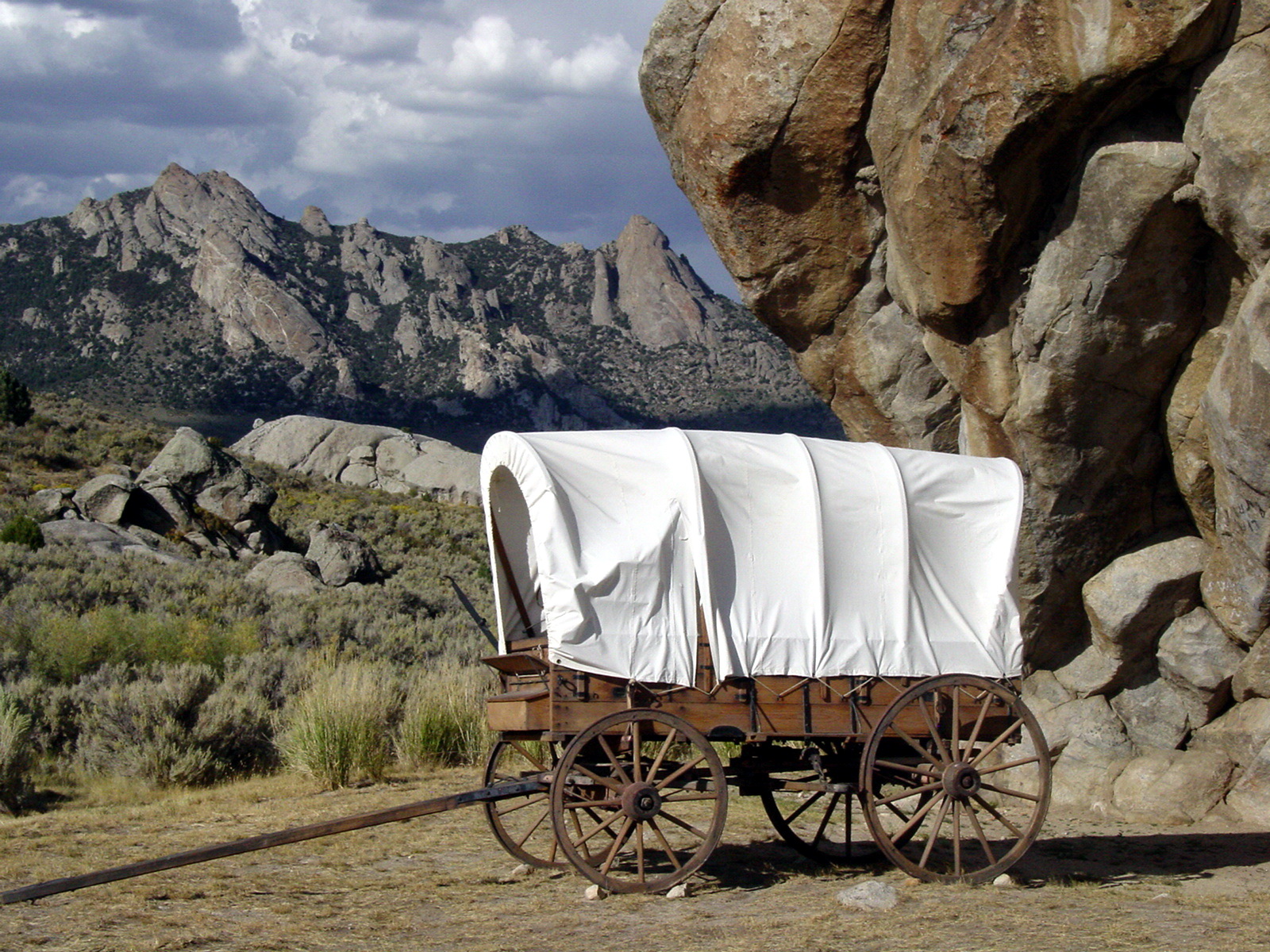
The California National Historic Trail traces the greatest overland migration in American history, and its power comes from that sheer scale and the surviving wagon ruts still visible across ten states. Because it runs through cities, public lands, and wilderness alike, the experience varies wildly by segment. For the historically curious traveler willing to do homework before hitting the road, the payoff is genuinely moving. Casual visitors expecting a single destination will leave confused.
Who it is for
History enthusiasts, road-trippers with a research streak, and families using the Junior Ranger program to give kids a tangible hook on westward migration. Travelers wanting a contained, easy-to-navigate park experience should look elsewhere entirely.
Highlights
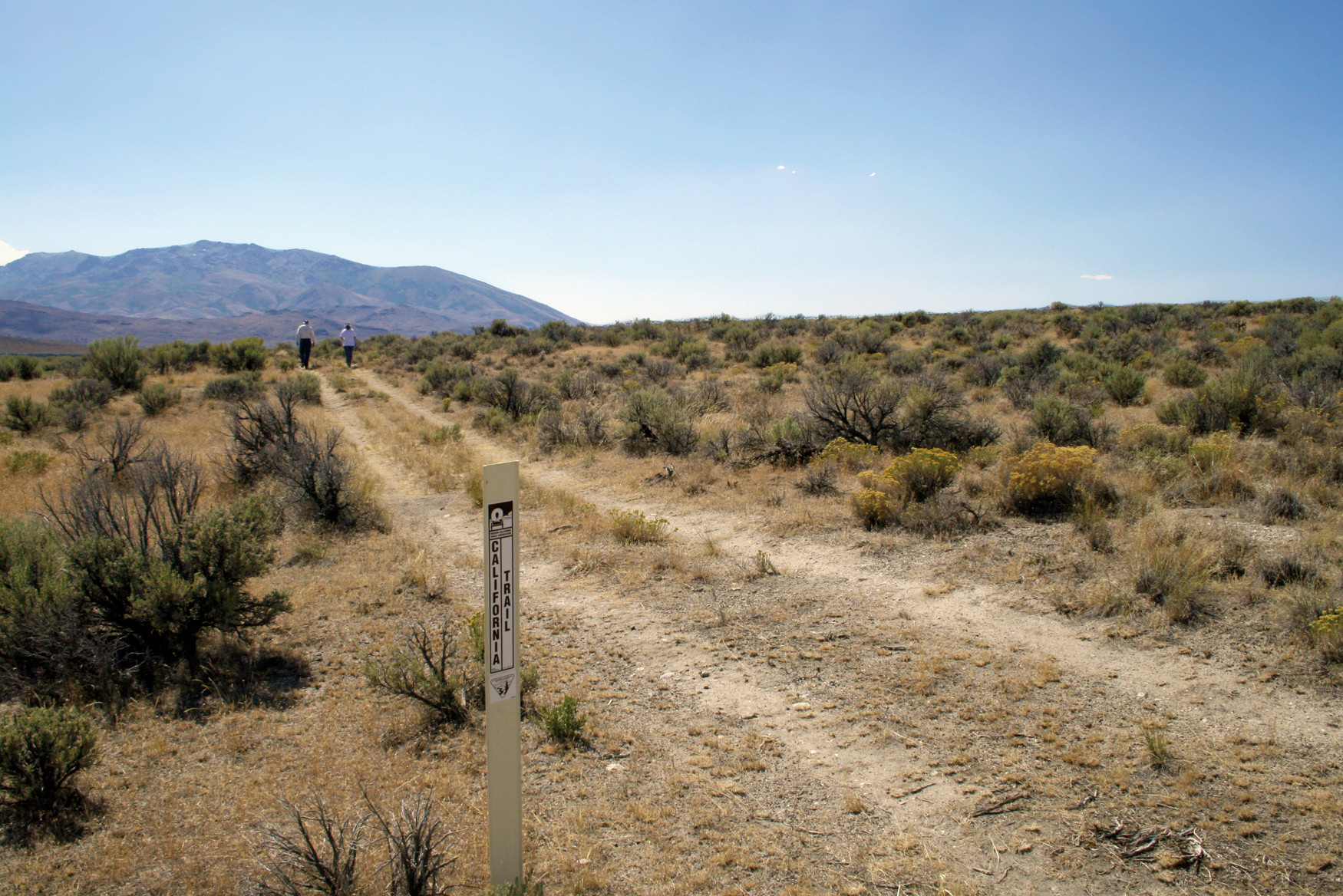
- Walking or riding sections where original wagon ruts are still pressed into the earth after 170-plus years
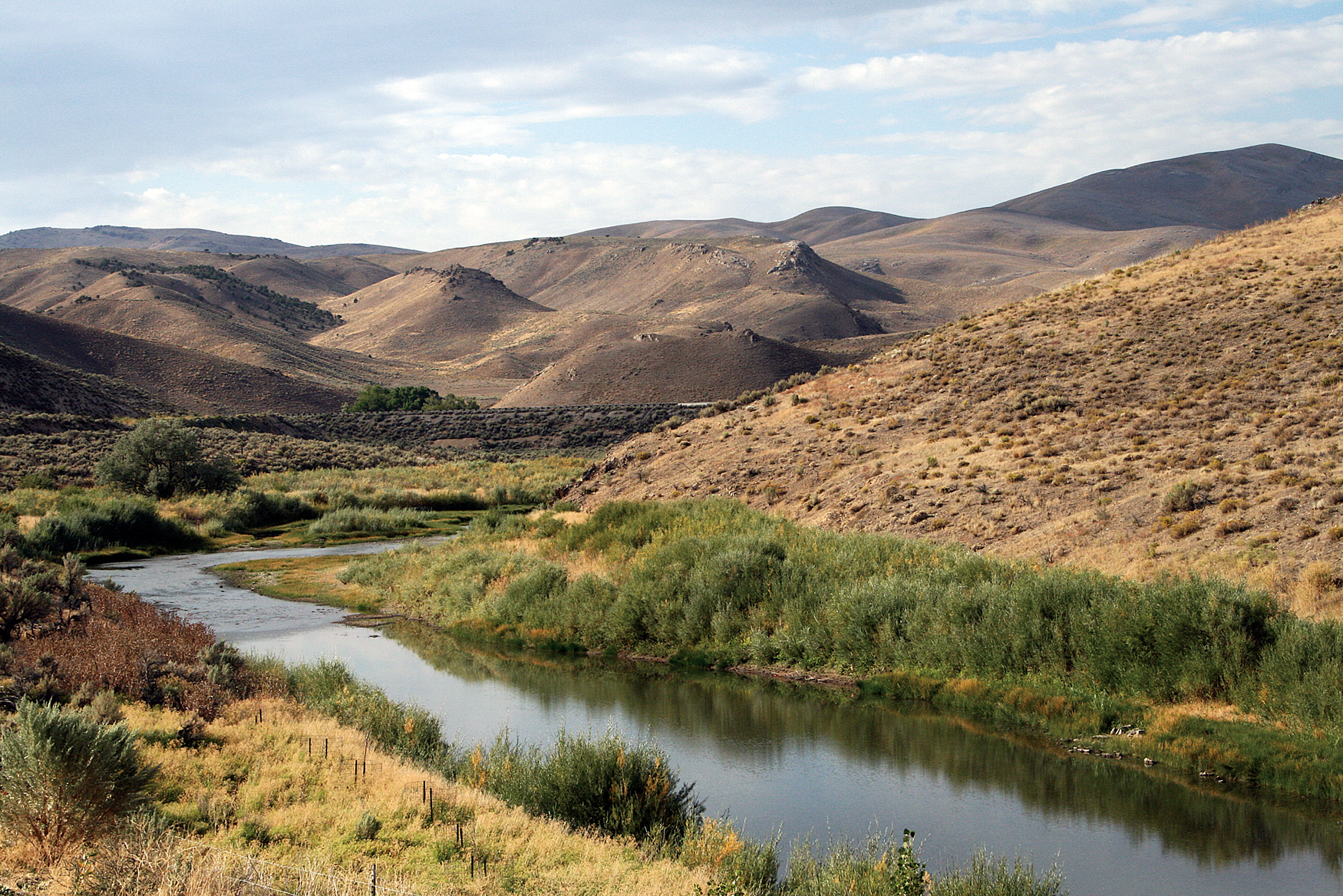
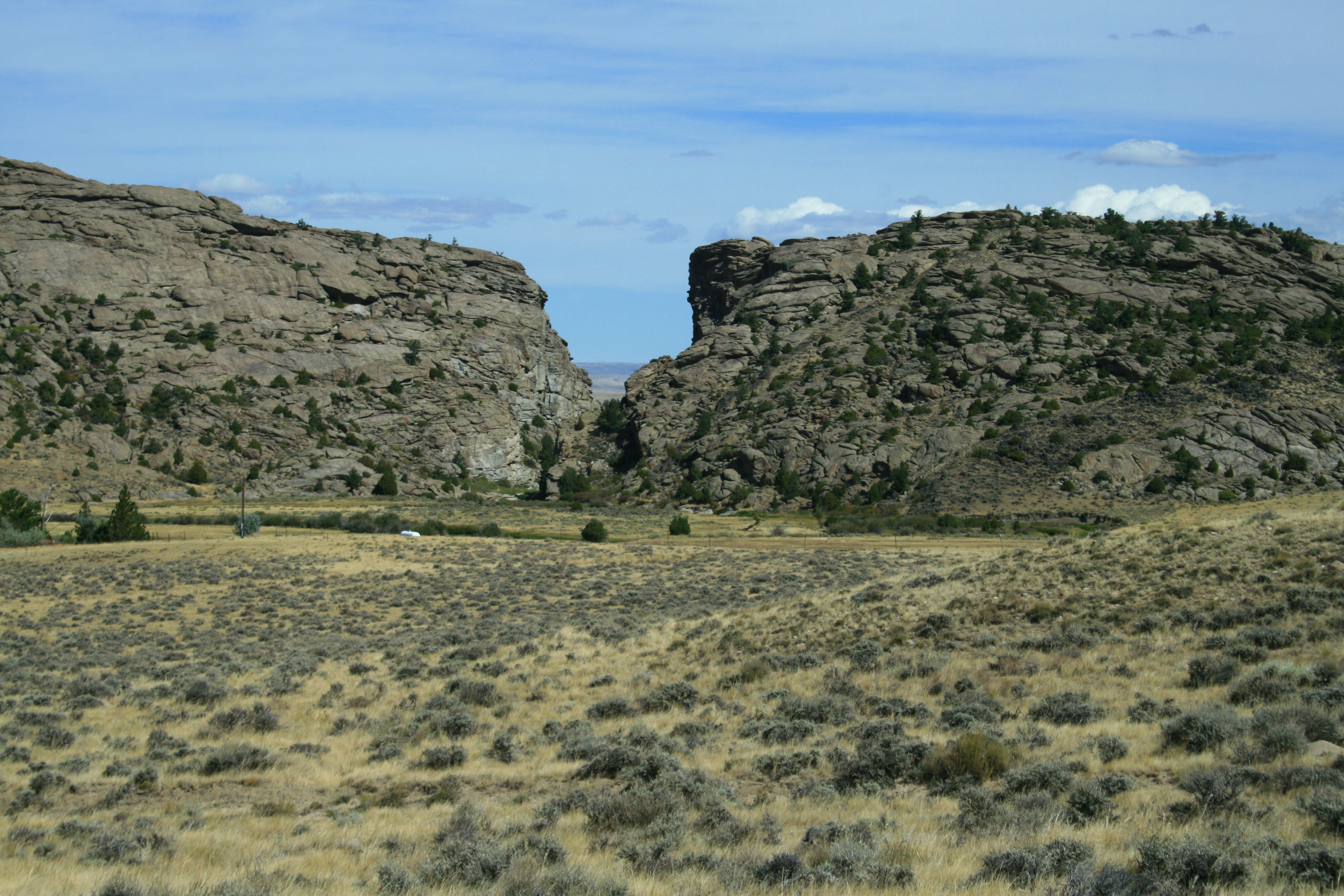
- Scenic driving routes that let you trace emigrant corridors across the Great Basin and High Plains at your own pace
- Guided and self-guided auto tours that put specific emigrant stories in context along the route
- Museum exhibits at various trail communities that ground the migration in real human detail
Editor's tipPick one state segment and focus there rather than trying to absorb the full corridor in a single trip. Check land management agency websites for each segment before you go, since access, signage, and amenities differ dramatically between a Nebraska prairie stretch and a Nevada desert crossing.