


Is Lewis & Clark National Historic Trail worth it?
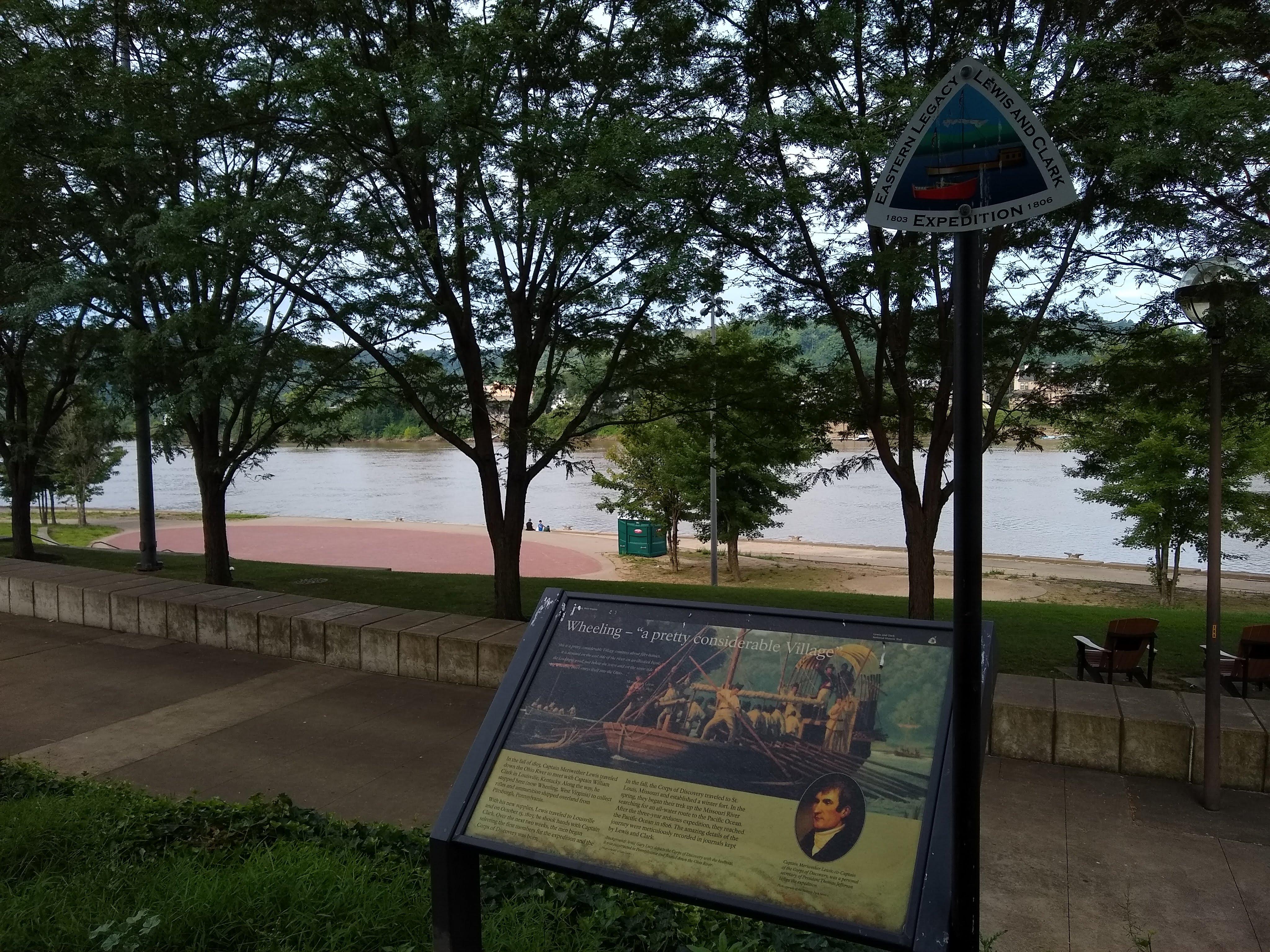
At nearly 4,900 miles across 16 states, this is less a destination than a framework for road-tripping American history.
The trail connects rivers, plains, mountains, and coastline through the homelands of more than 60 Tribal nations, offering a genuinely layered story that goes well beyond the Corps of Discovery mythology. Free entry and flexible access make it approachable, but the experience is entirely what you make of it. Passive visitors will get little; curious, self-directed travelers who plan segments deliberately will find something quietly extraordinary.
Who it is for
History-minded road trippers, families who want to weave education into a multi-state journey, and paddlers or anglers drawn to the Missouri and Columbia river corridors. Travelers expecting a single cohesive park experience will be frustrated by its distributed, self-guided nature.
Highlights
- Living history programming that addresses the expedition's complex impact on the 60-plus Tribal nations along the route
- River-based access points for boating and fishing along the historic Missouri River corridor
- The Omaha visitor center as a practical anchor for planning your specific segment of the trail
- Scenic driving routes that trace the actual outbound and inbound expedition paths across the Great Plains and Pacific Northwest
Editor's tipStart trip planning at the Omaha visitor center on the Missouri River before committing to a route, since conditions, access points, and interpretive sites vary enormously across 16 states. Check weather.gov for each specific segment you intend to visit, especially if crossing northern plains or mountain stretches in shoulder seasons.