parkverdict
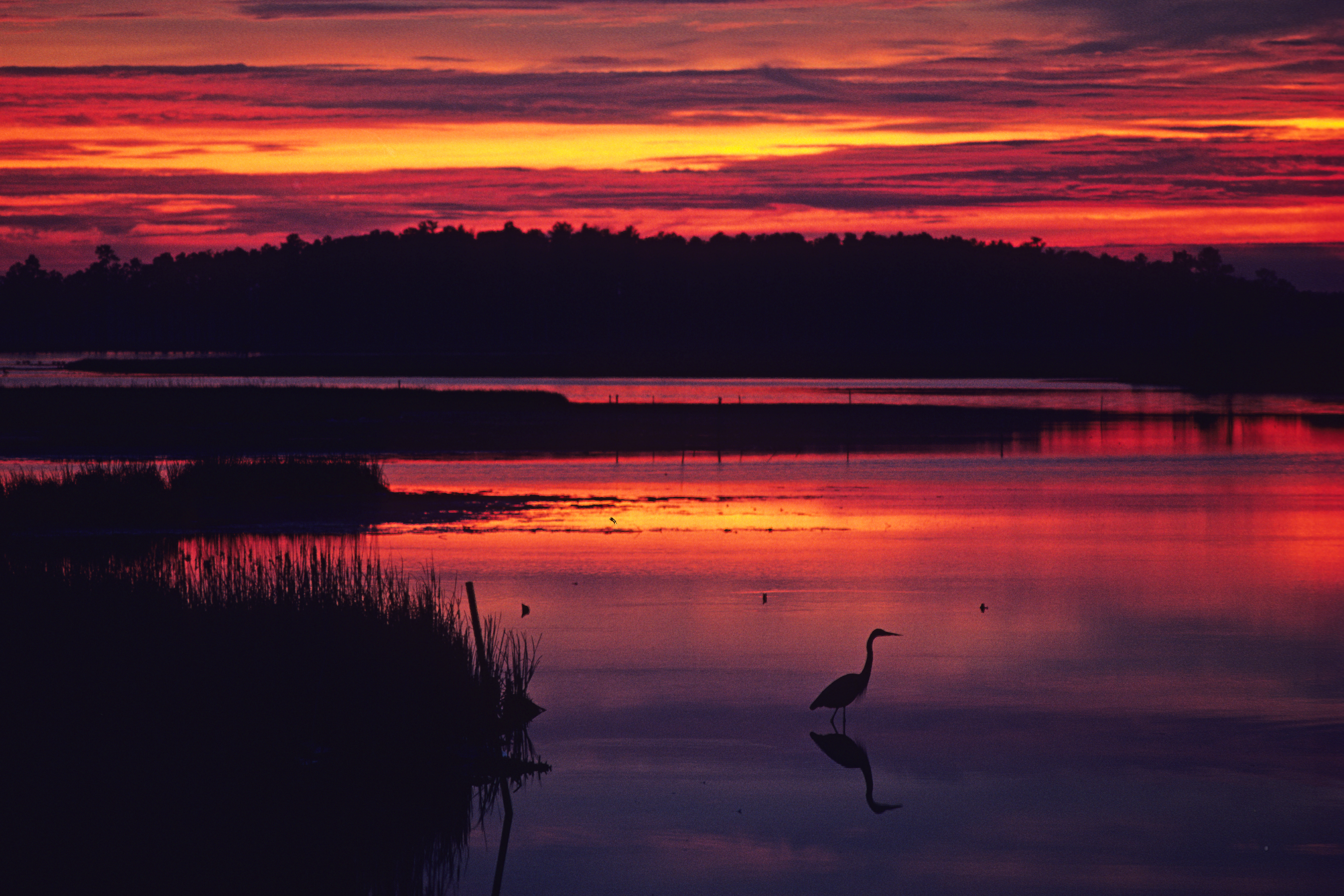
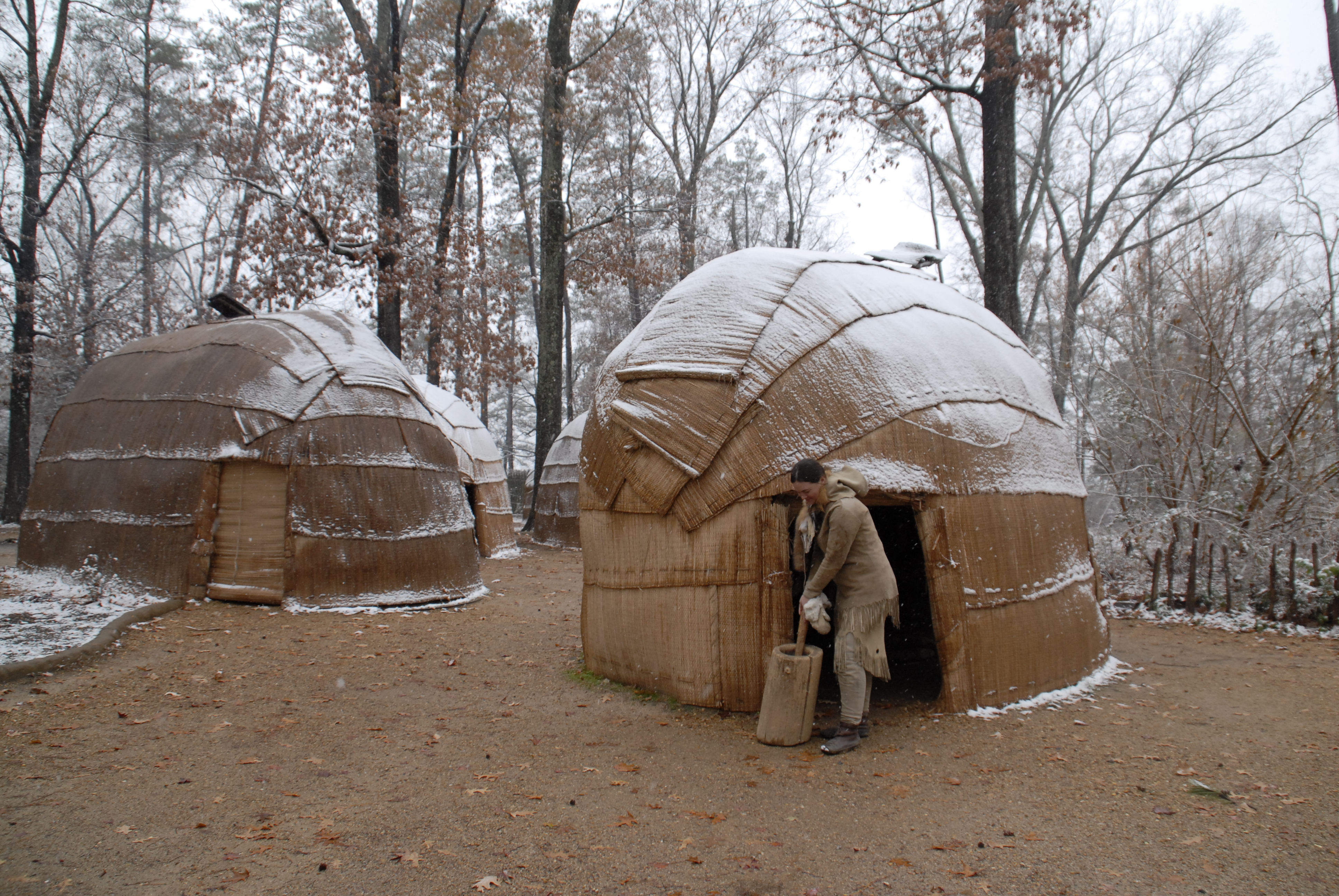
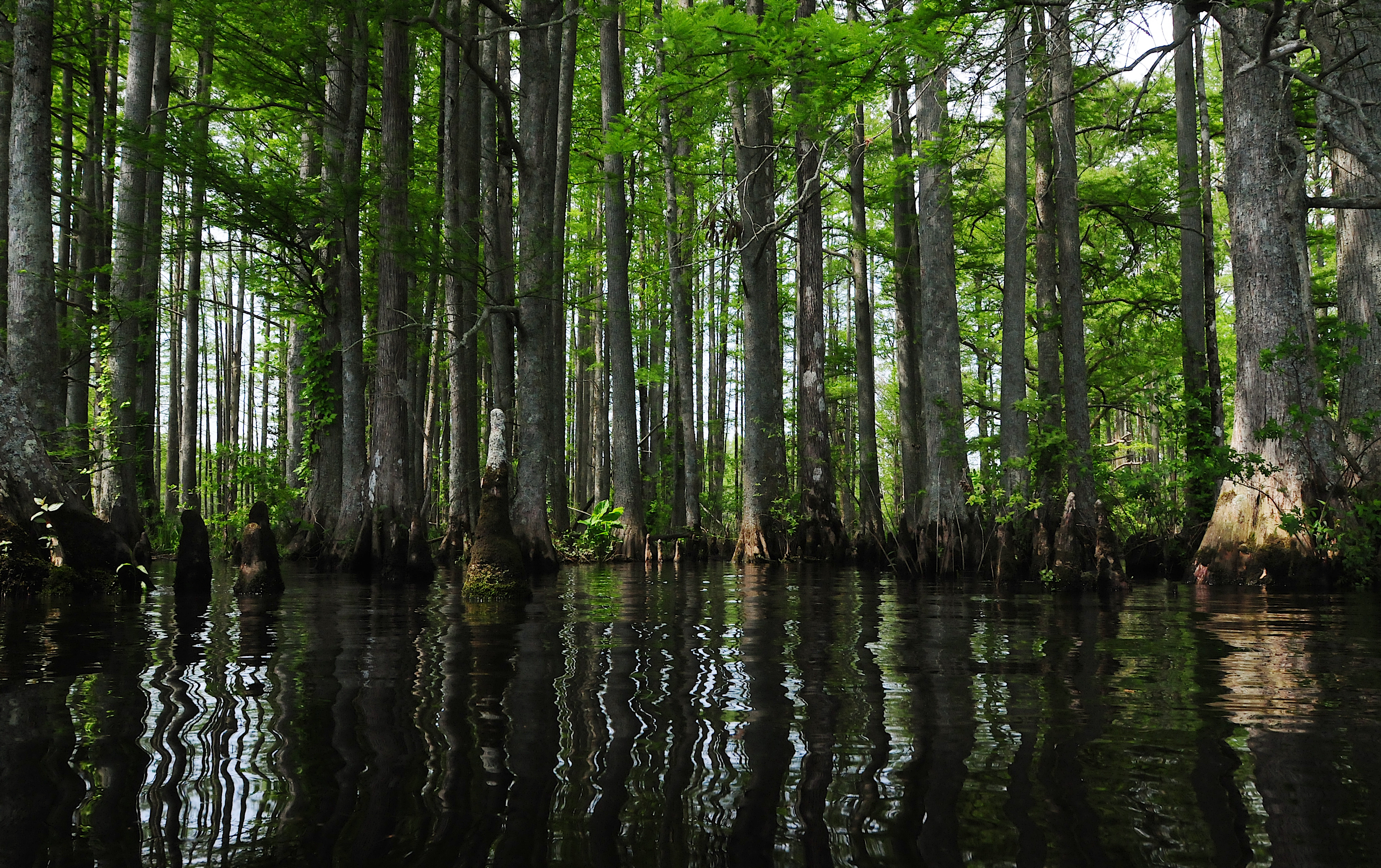
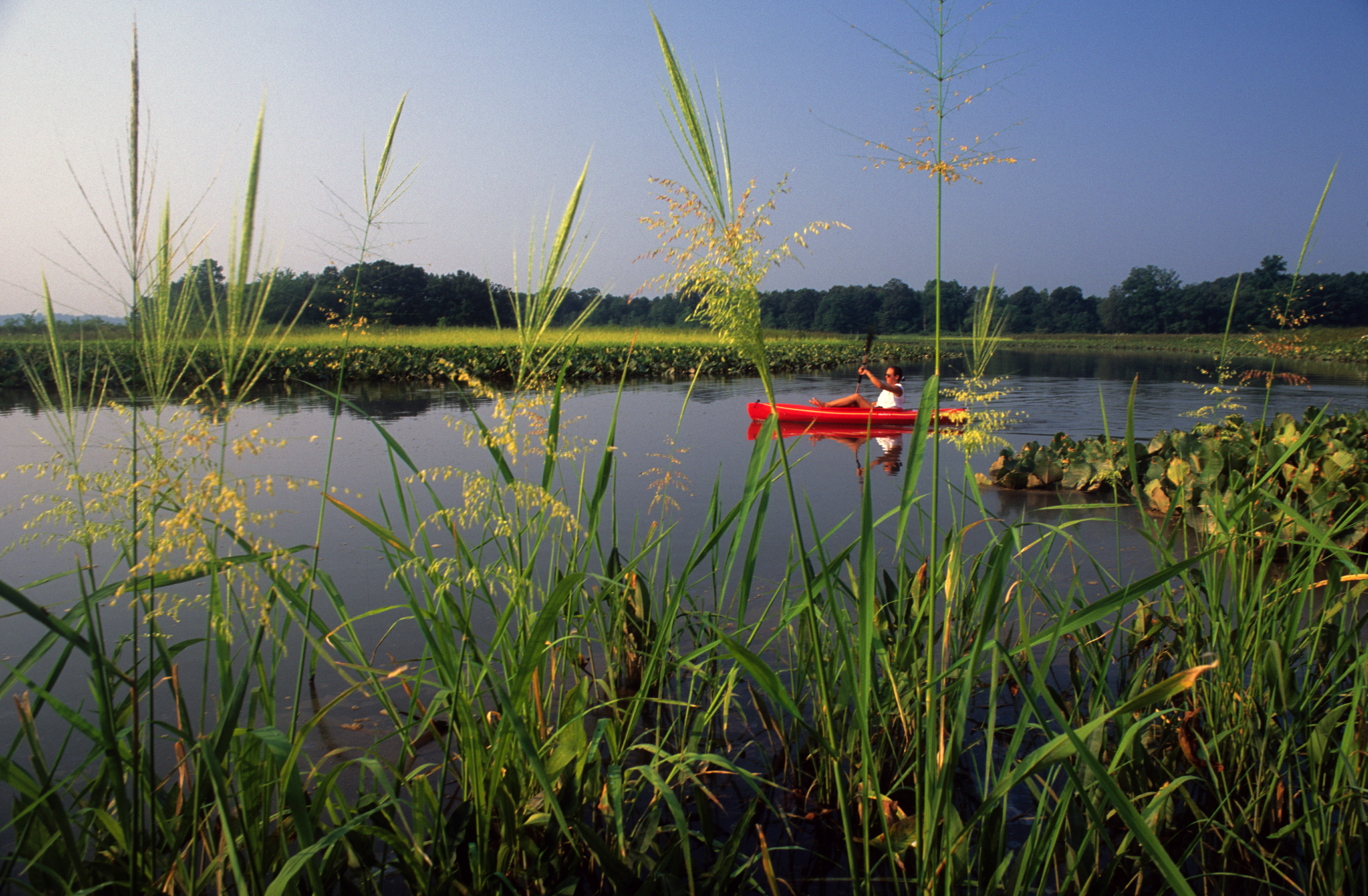
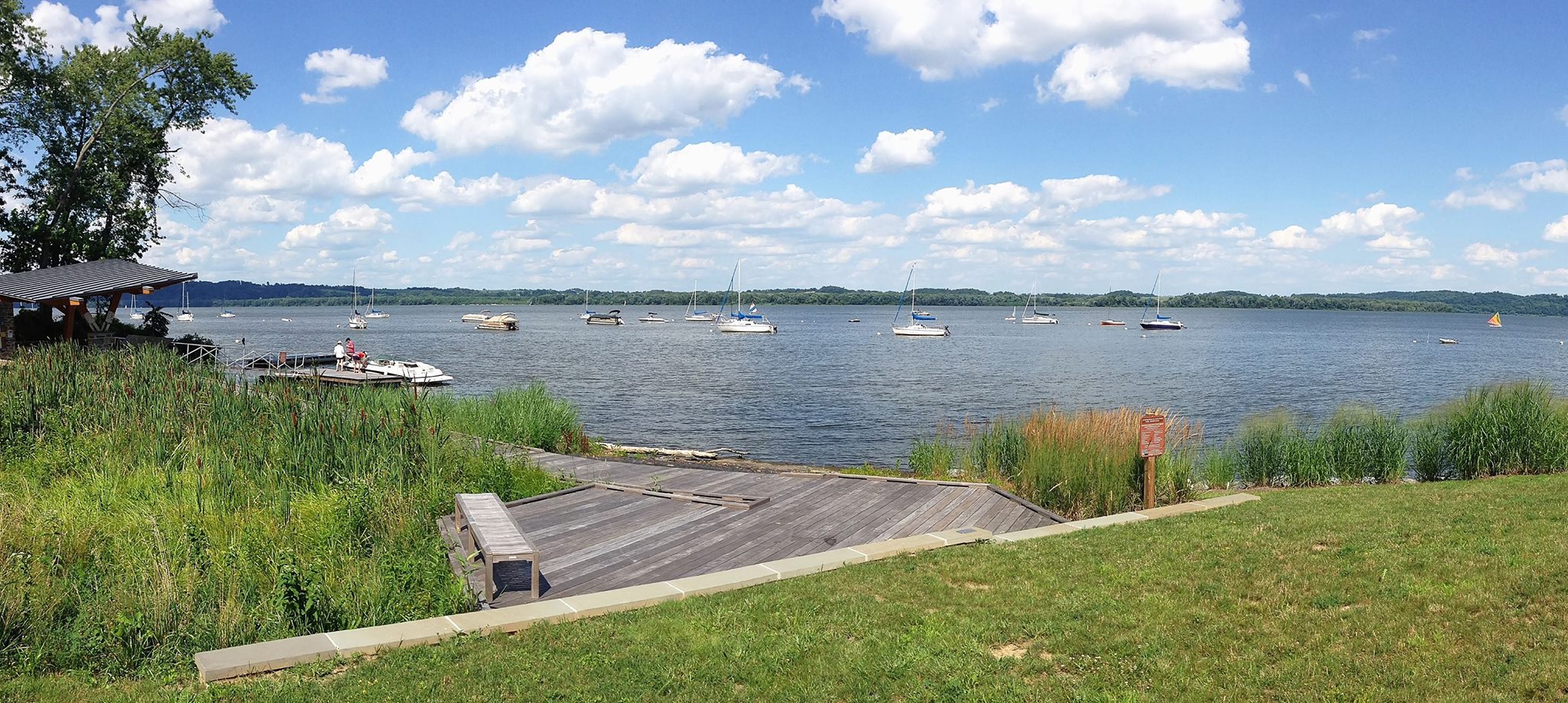
A heron at sunset in the waters and marshes of Blackwater National Wildlife RefugeA re-created American Indian town.Many baldcypress trees standing in the Chickahominy RiverA lone kayaker explores the Patuxent River
National Historic TrailVA / MD / DE / DC / PA / NY

Captain John Smith Chesapeake National Historic Trail

NPS / NPS Photo / Middleton Evans
100/ 100ESSENTIAL
parkverdict Experience ScoreIndependent, not sponsored

100 of 100. Our independent metric for how much a unit documents and how easy it is to access, computed the same way for every park so the ranking is reproducible.

Produced by a transparent formula from public NPS data, not a guess. How we score

Our Verdict

Is Captain John Smith Chesapeake National Historic Trail worth it?

This is not a park you visit so much as a waterway you inhabit.

Stretching across six states, the Captain John Smith Chesapeake National Historic Trail traces the 1608 voyages that mapped hundreds of Indigenous communities long before European settlement took hold. Free, always open, and genuinely vast, it rewards paddlers and history-minded boaters above all others. The breadth of offerings, from guided boat tours to geocaching to birdwatching along tidal shores, makes it one of the most versatile water-based experiences in the entire national park system.

Who it is for

Paddlers, sailors, and history buffs who want to cover serious ground on the water will find this trail transformative. Families with kids can engage through the Junior Ranger Program and hands-on cultural demonstrations. Landlocked visitors or those without water access will struggle to get the most from it.

Highlights

  • Multi-day canoe or kayak camping along tidal rivers and Chesapeake tributaries, following Smith's actual 1608 route
  • Birdwatching and wildlife watching across a living estuary ecosystem spanning six states
  • Guided boat tours and cultural demonstrations tied to Indigenous history documented on Smith's map
  • Geocaching and GPS navigation that turns the historic trail into an interactive, on-the-water scavenger hunt

Editor's tipPlan paddling trips for spring or early fall to avoid the brutal summer heat and humidity along the tidal shorelines. Before launching, check local boat access points through the NPS trail site, since there is no single entry gate and conditions vary widely by tributary.
What you can do

Activities

Arts and CultureCraft DemonstrationsCultural DemonstrationsBoatingSailingBoat TourCampingCanoe or Kayak CampingCar or Front Country CampingRV CampingCompass and GPSGeocachingFishingFoodPicnickingGuided ToursBoat TourHands-On
Overview

About Captain John Smith Chesapeake National Historic Trail

People first arrived in the Chesapeake Bay during the last ice age. As glaciers melted, diverse societies learned to thrive in a world of water. When Englishman Captain John Smith explored the Bay in 1608, he documented hundreds of American Indian communities. Today, sites on his map are archeological treasures and sacred sites for tribal citizens. Come join us on the shores of the Chesapeake Bay!

When to go

During the summer season, visitors should dress in light, comfortable, moisture-wicking clothing, and use sunscreen. High temperatures and humidity create a higher risk of heat cramps, heat exhaustion and heatstroke. We strongly recommended you carry a bottle of water with you and wear a life jacket at all times. During the winter, be aware that submersion in freezing cold water can be deadly. If