Is Pullman National Historical Park worth it?
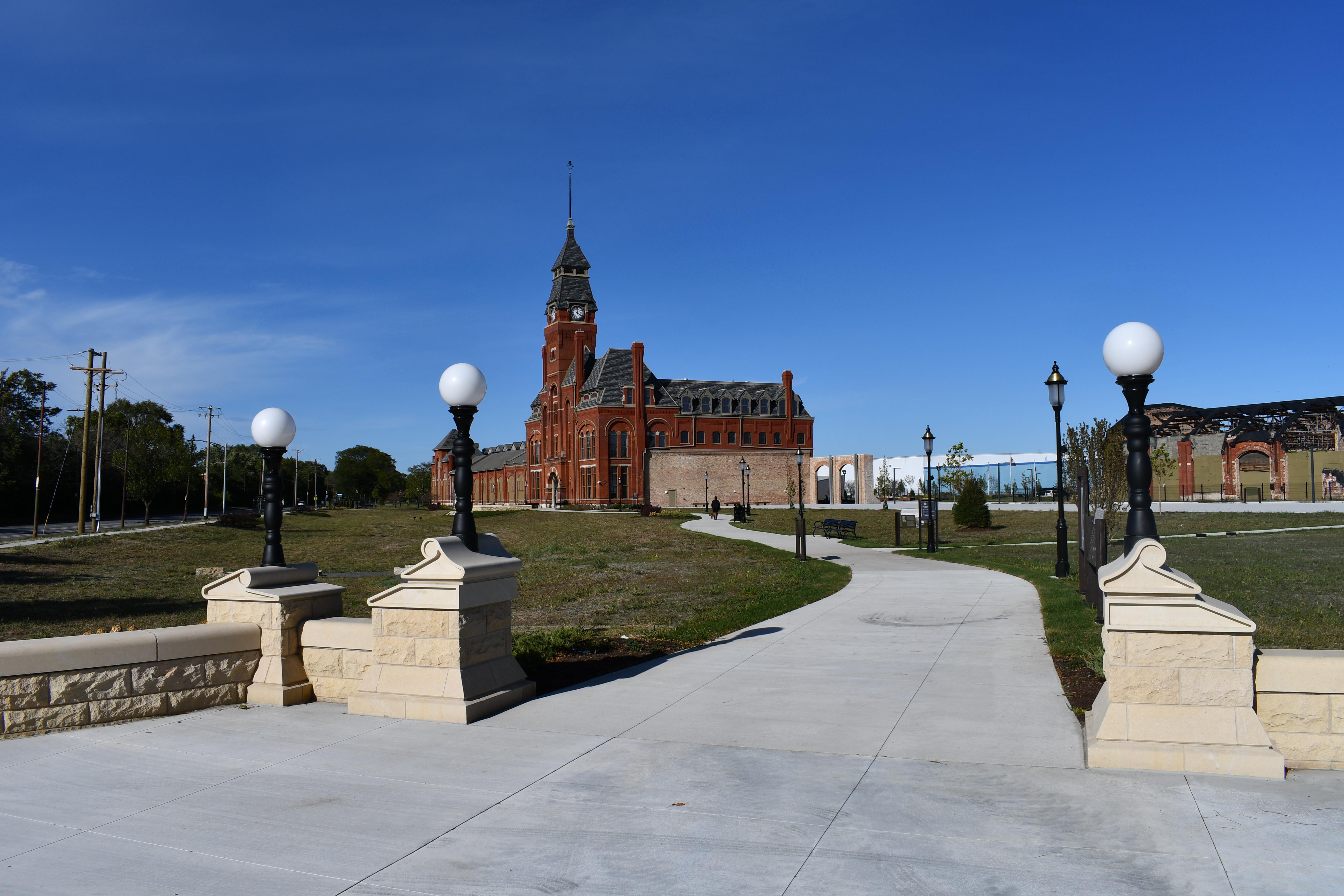
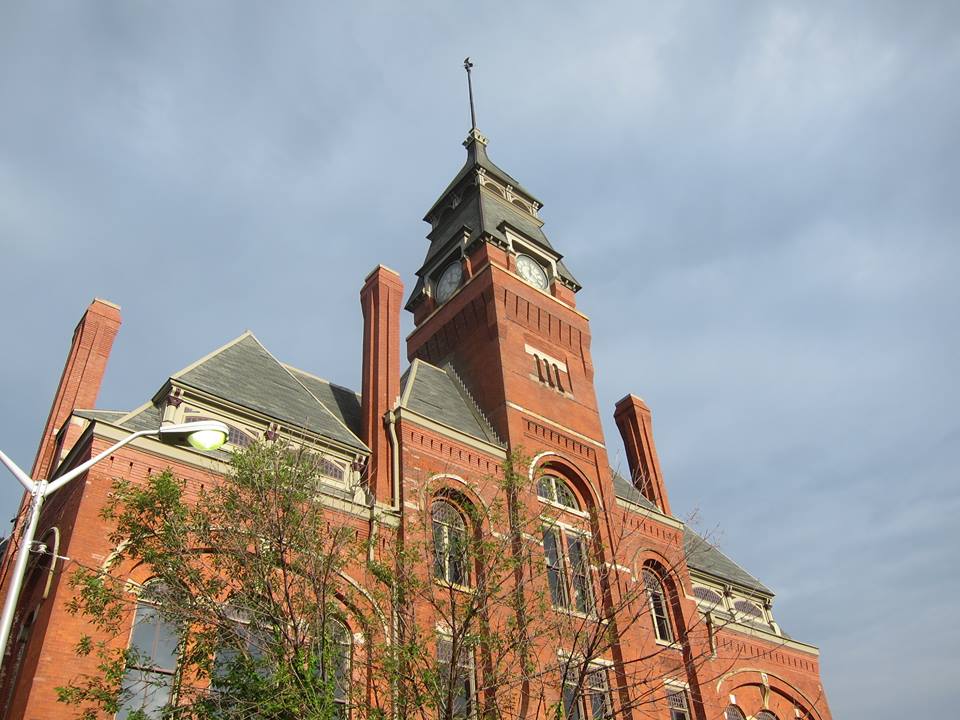
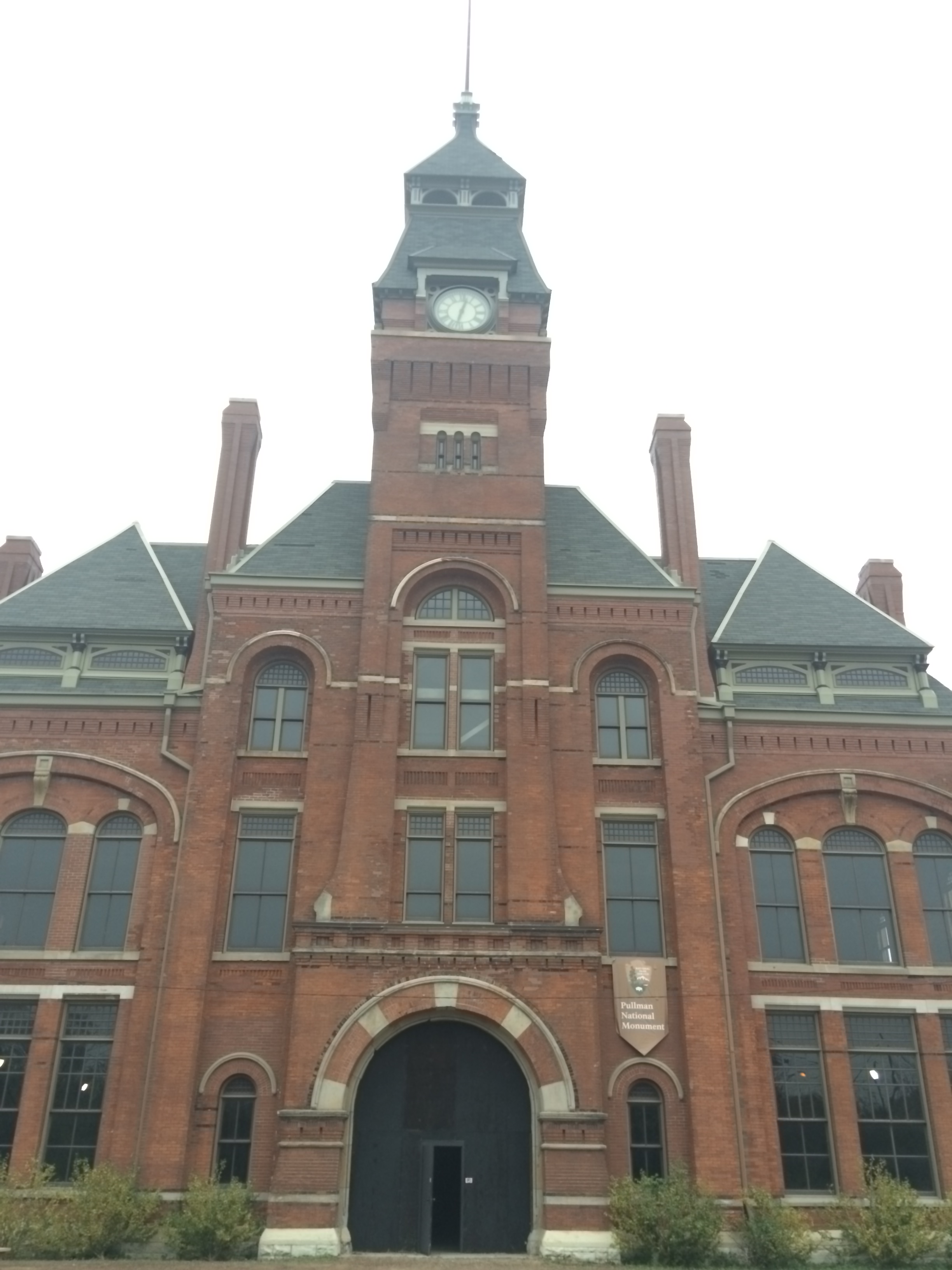
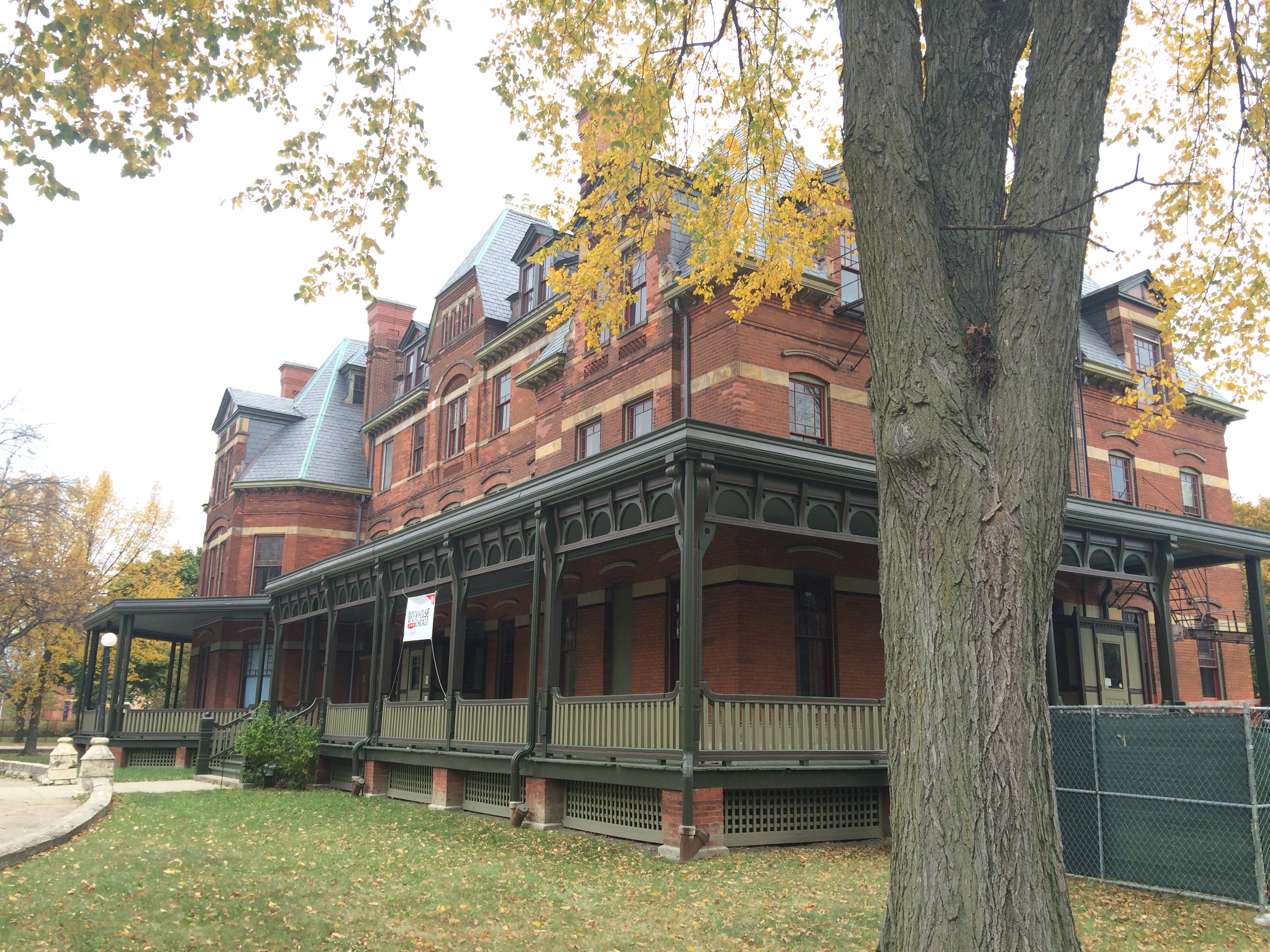
Pullman is a genuinely unusual entry in the national park system: a functioning residential neighborhood on Chicago's South Side where the history of American labor, race, and corporate paternalism is literally still standing around you.
The visitor center film and museum exhibits give real context before you walk streets lined with original 1880s row houses. It rewards curious history buffs willing to engage with complexity, but the experience score reflects honest limits: this is primarily a story park, not a scenery or recreation park.
Who it is for
Labor history enthusiasts, architecture fans, and urban history buffs will find this deeply rewarding. Families with older kids open to guided storytelling can get a lot here. Visitors expecting trails, wildlife, or dramatic landscapes should look elsewhere.
Highlights
- Guided tours that trace the intertwined stories of George Pullman's planned company town and the African American porters who shaped it
- Self-guided walking through a remarkably intact 19th-century planned industrial neighborhood still inhabited today
- Museum exhibits placing Pullman at the center of American labor movement history, including the pivotal 1894 strike
- Free admission makes it an easy add-on to a Chicago visit with no financial barrier to entry
Editor's tipStart at the visitor center to watch the park film before walking the neighborhood, as the streets look quiet without that context. Weekend guided tours fill up, so check the NPS site and reserve ahead if visiting in summer.