Is Minidoka National Historic Site worth it?
Minidoka is not a comfortable park, and it is not meant to be.
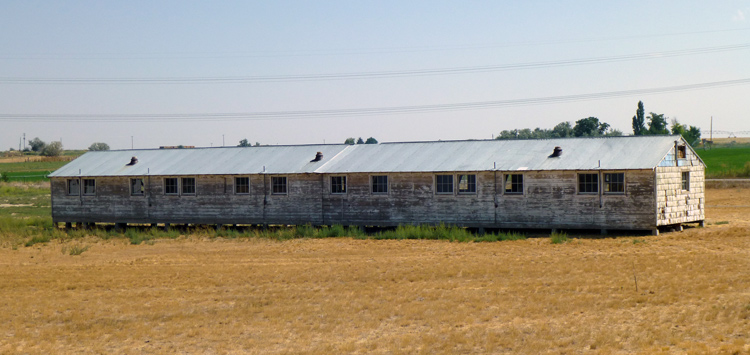
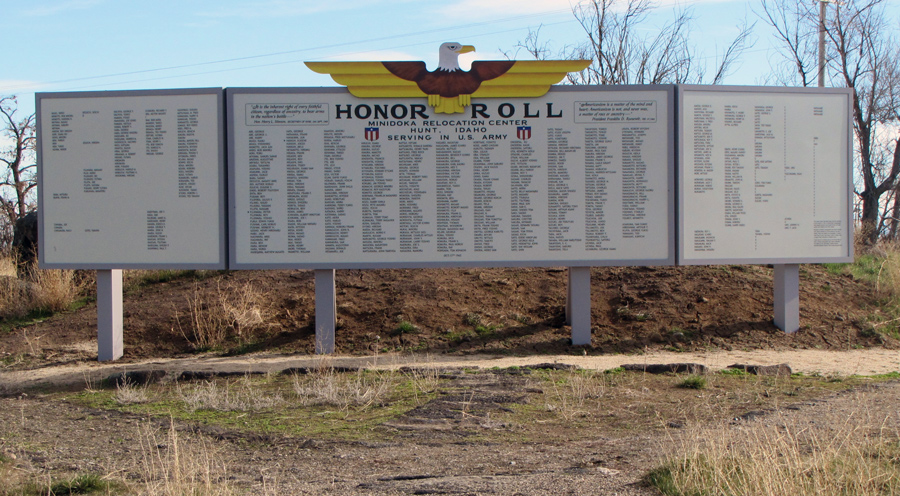
This free historic site in the Idaho high desert marks where over 13,000 Japanese Americans were forcibly incarcerated during World War II. The physical remains are sparse, which is itself part of the point. What endures is the weight of the place, carried through museum exhibits and ranger-guided tours that refuse to soften the story. It is a short but genuinely affecting visit, and one of the more morally serious stops in the entire national park system.
Who it is for
History-minded adults, educators, and families ready to engage with a difficult chapter of American civil liberties will find this deeply worthwhile. Visitors seeking scenic landscapes or outdoor recreation should look elsewhere in the Snake River Plain.
Highlights
- Ranger-guided tours that contextualize the incarceration experience with firsthand historical detail
- Museum exhibits documenting the lives of the 13,000 Japanese Americans held here
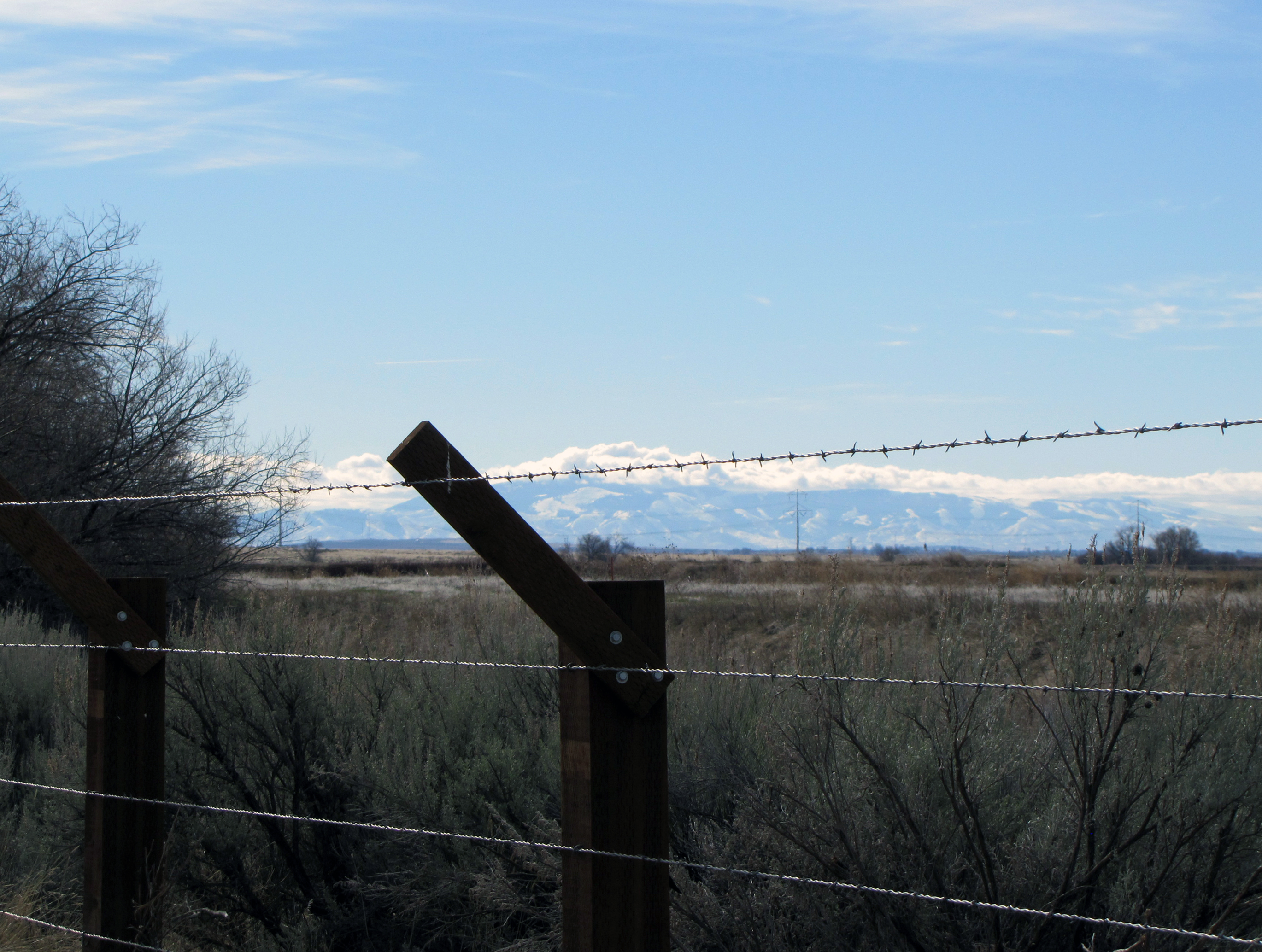
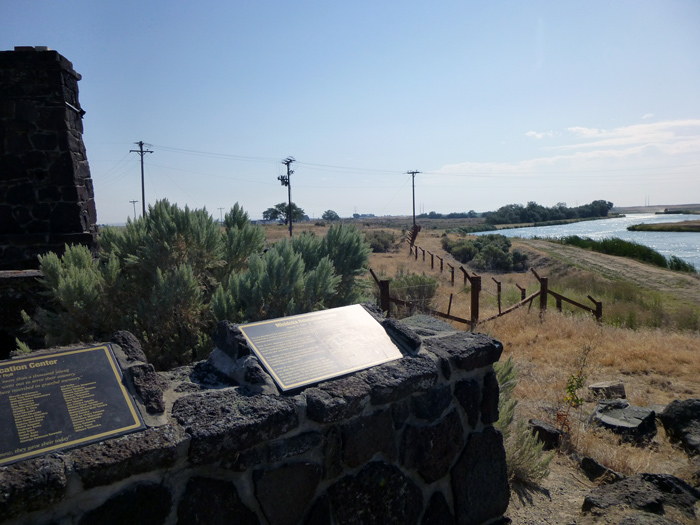
- Self-guided walking tour across the open desert site where the camp once stood
- Junior Ranger program that frames civil liberties themes for younger visitors
Editor's tipVisit in spring or fall if possible. Summer temperatures regularly hit the low 90s with high winds and almost no shade on the open site, which makes a focused outdoor visit genuinely uncomfortable. Check seasonal visitor center hours before going, since restroom access depends on center operations.