
parkverdict
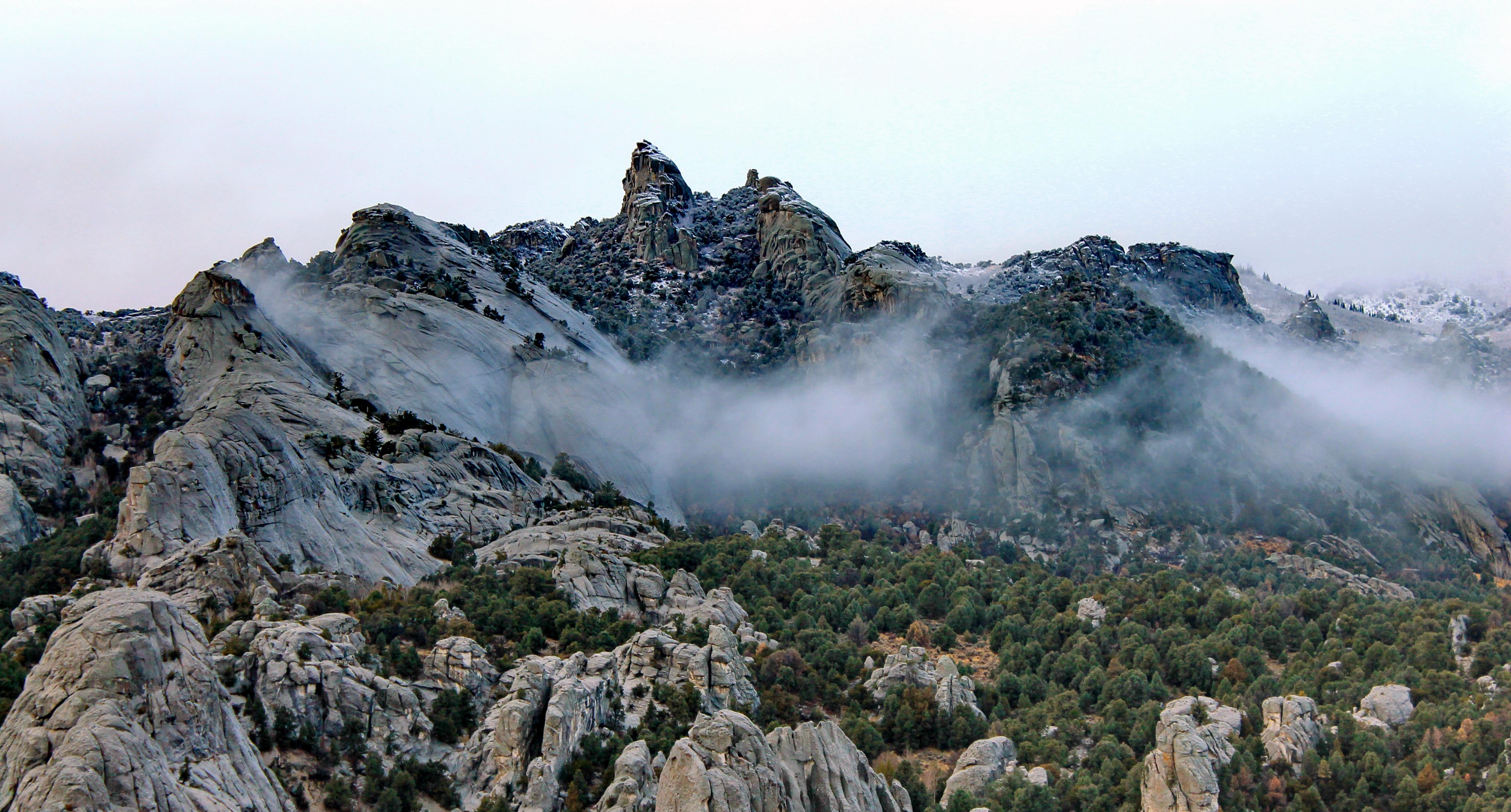
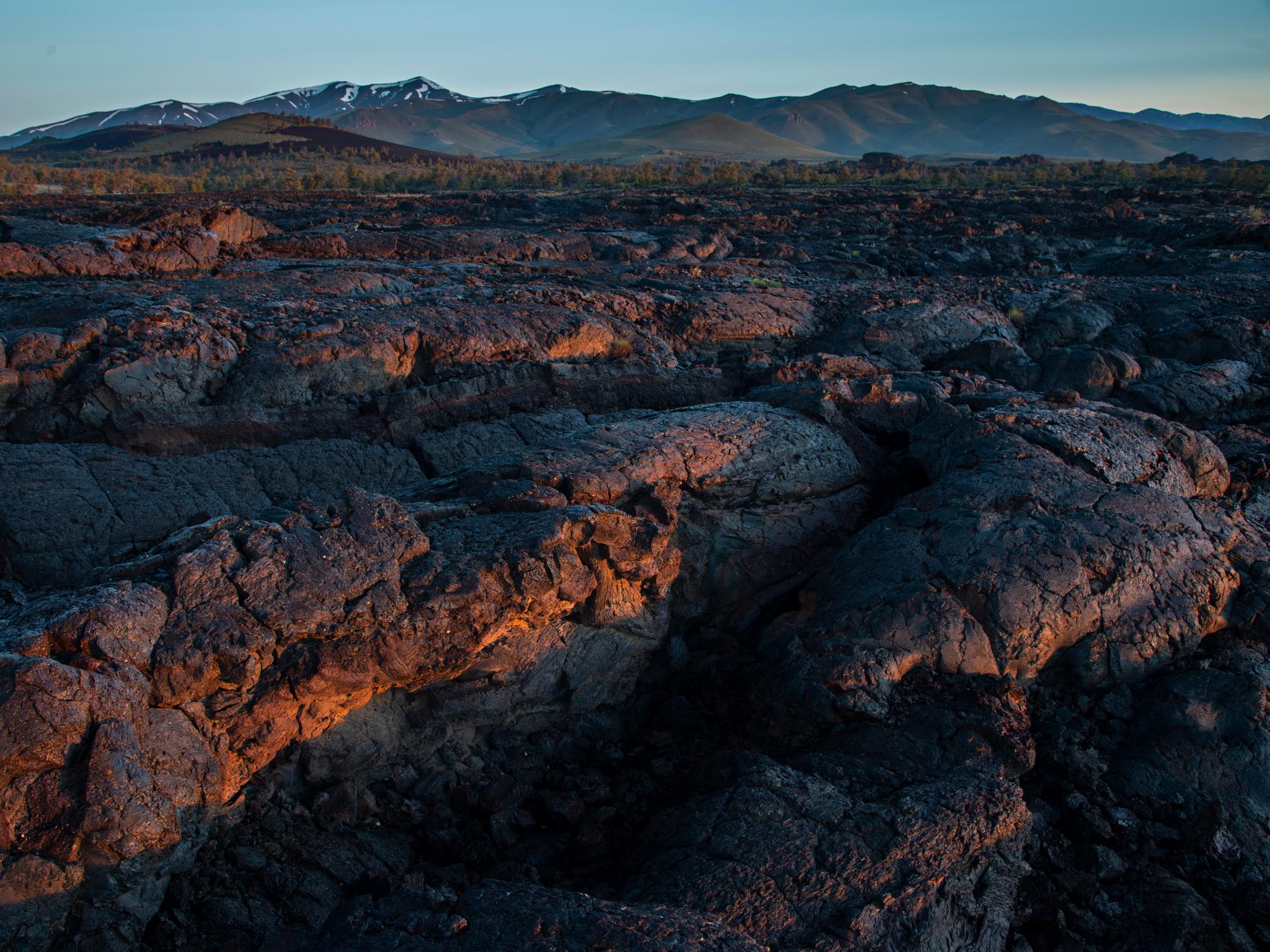
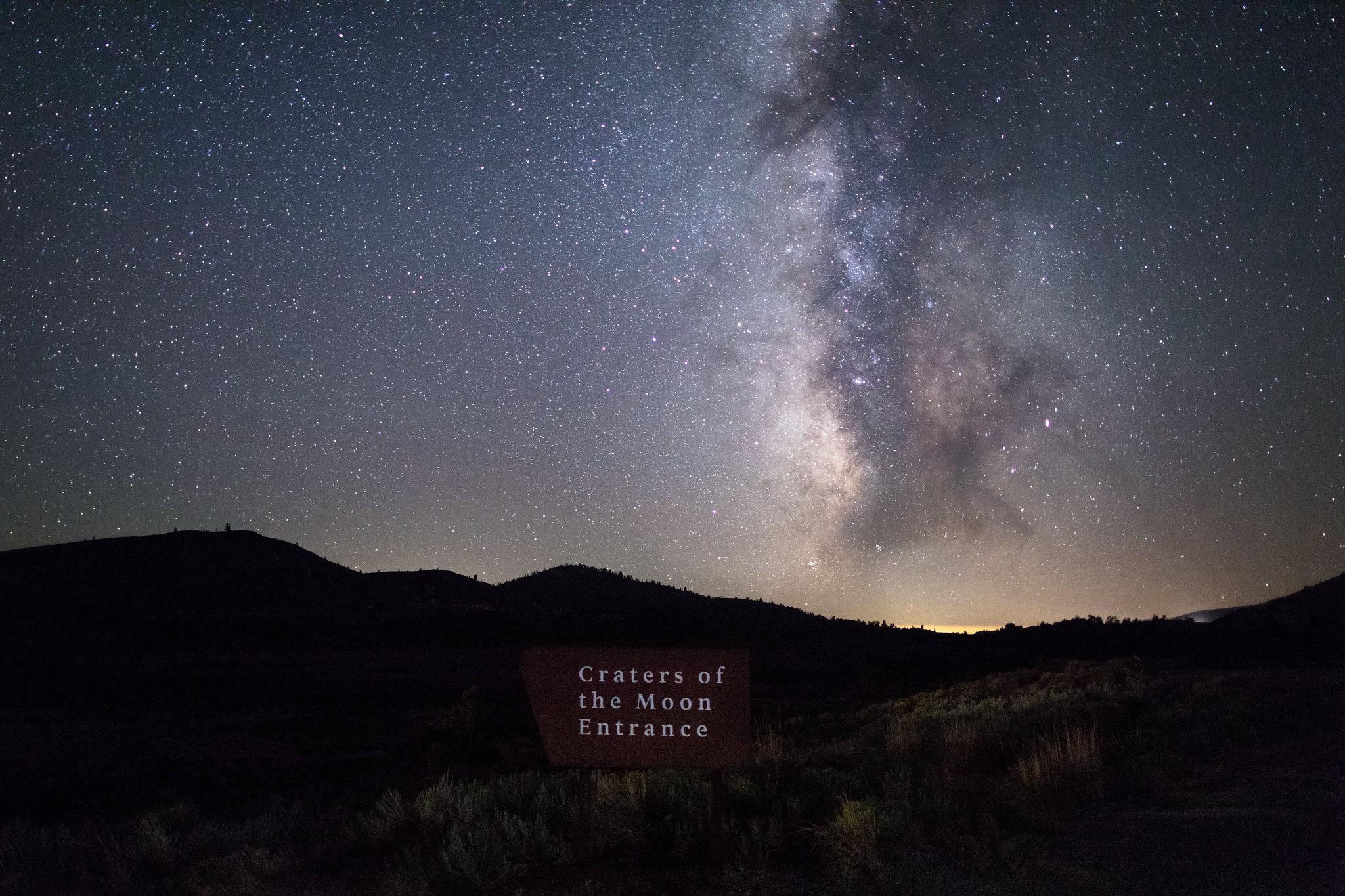
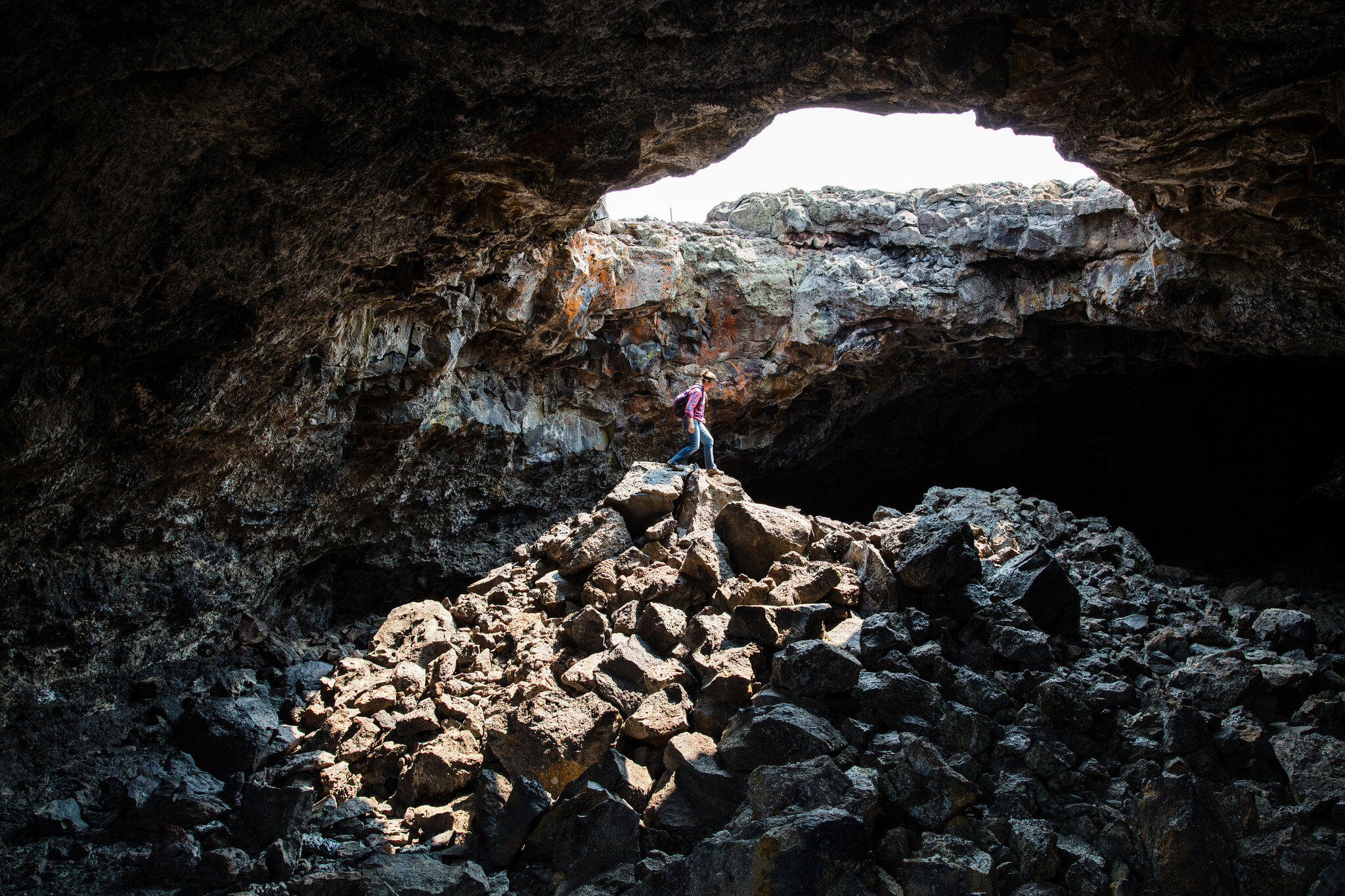
A close-up shot of a folded, waving sea of lava rock, with mountains in the far distance.Small purple flowers and larger white flowers with reddish stems grow out of black volcanic rockThe Craters entrance sign sits below a starry night sky, with the milky way brightly-lit.A figure stands inside a large lava tube on a pile of rubble, lit by a round opening overhead.
National Monument & PreserveID

Craters Of The Moon National Monument & Preserve

NPS / NPS / David Hunter
100/ 100ESSENTIAL
parkverdict Experience ScoreIndependent, not sponsored

100 of 100. Our independent metric for how much a unit documents and how easy it is to access, computed the same way for every park so the ranking is reproducible.

Produced by a transparent formula from public NPS data, not a guess. How we score

Our Verdict

Is Craters Of The Moon National Monument & Preserve worth it?

Craters of the Moon is one of the most genuinely alien landscapes in the American West, and the fact that it costs nothing to enter makes it almost embarrassingly good value.

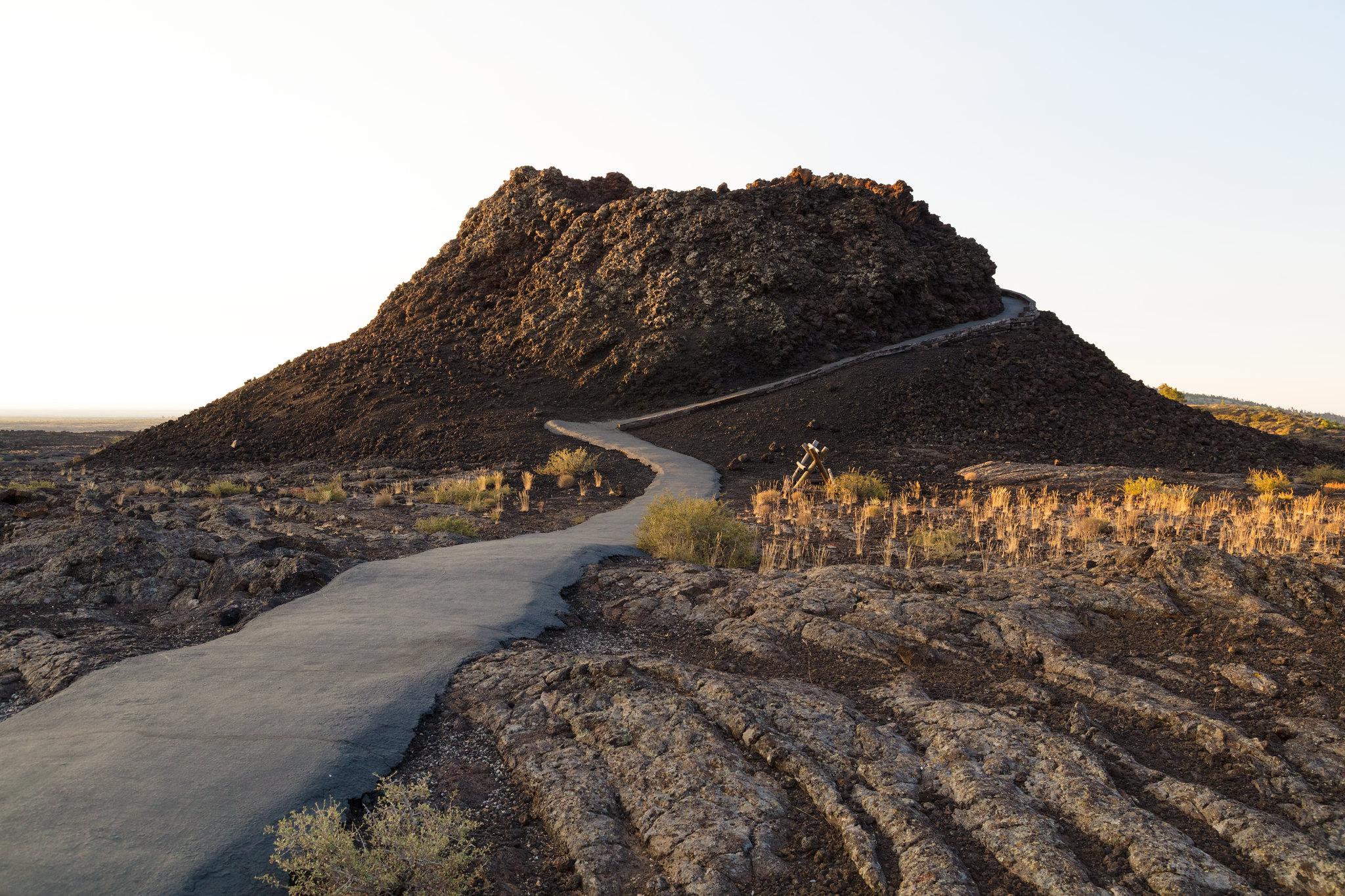
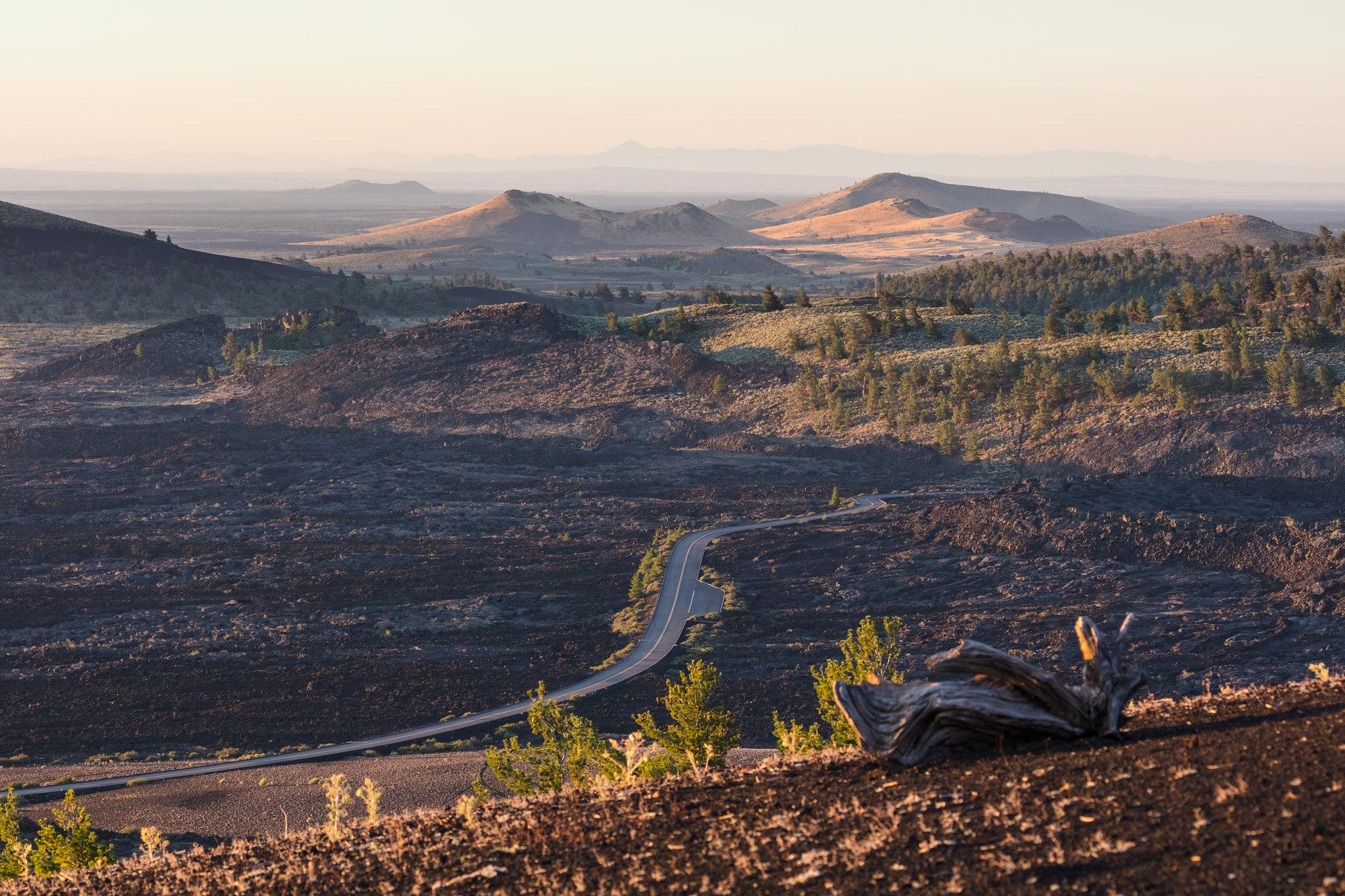
The Loop Road delivers dramatic volcanic scenery from a car, but the real payoff is getting out: lava tube caves you can actually enter, cinder cones worth climbing, and skies so dark that stargazing here is a legitimate draw on its own. Summer heat off the black basalt is brutal and real, but shoulder seasons and winter snowshoeing reframe the whole place. This is not a gentle meadow park.

Who it is for

Geology obsessives, cave explorers, serious stargazers, and families who want something genuinely strange and memorable will love it. Visitors seeking lush scenery, established interpretive trails with shade, or accessible backcountry should look elsewhere.

Highlights

  • Lava tube caving: accessible caves let you descend into the volcanic underworld with just a flashlight
  • Free, dark-sky stargazing from a high-desert lava field with almost no light pollution
  • Winter snowshoeing and cross-country skiing across a surreal black-and-white frozen landscape
  • The Loop Road delivers a concentrated volcanic tour, ideal for pairing with a bike ride in cooler months

Editor's tipBring a headlamp or flashlight for the lava tube caves since rentals are not guaranteed. Visit in May or September to avoid the worst surface heat off the black lava, which can exceed 150 degrees Fahrenheit underfoot on summer afternoons.
What you can do

Activities

Auto and ATVScenic DrivingAstronomyStargazingBikingRoad BikingCampingBackcountry CampingCavingHikingBackcountry HikingJunior Ranger ProgramSkiingCross-Country SkiingSnowshoeingWildlife WatchingBirdwatchingPark Film
Overview

About Craters Of The Moon National Monument & Preserve

Craters of the Moon is a vast ocean of lava flows with scattered islands of cinder cones and sagebrush. We invite you to explore this "weird and scenic landscape" where yesterday's volcanic events are likely to continue tomorrow.

When to go

Weather at Craters of the Moon is characterized by hot summers and cold winters. In February, average snow depth ranges from 26 inches at the north end of the monument to just 2 inches at the south end. Intense summer sun bakes the black lava, generating surface temperatures of 170°F and air temperatures in the 90s. Drying winds are a daily occurrence, especially in the afternoon, and may reach 15