
Is Fort Monroe National Monument worth it?
Fort Monroe punches well above its weight for a free site.
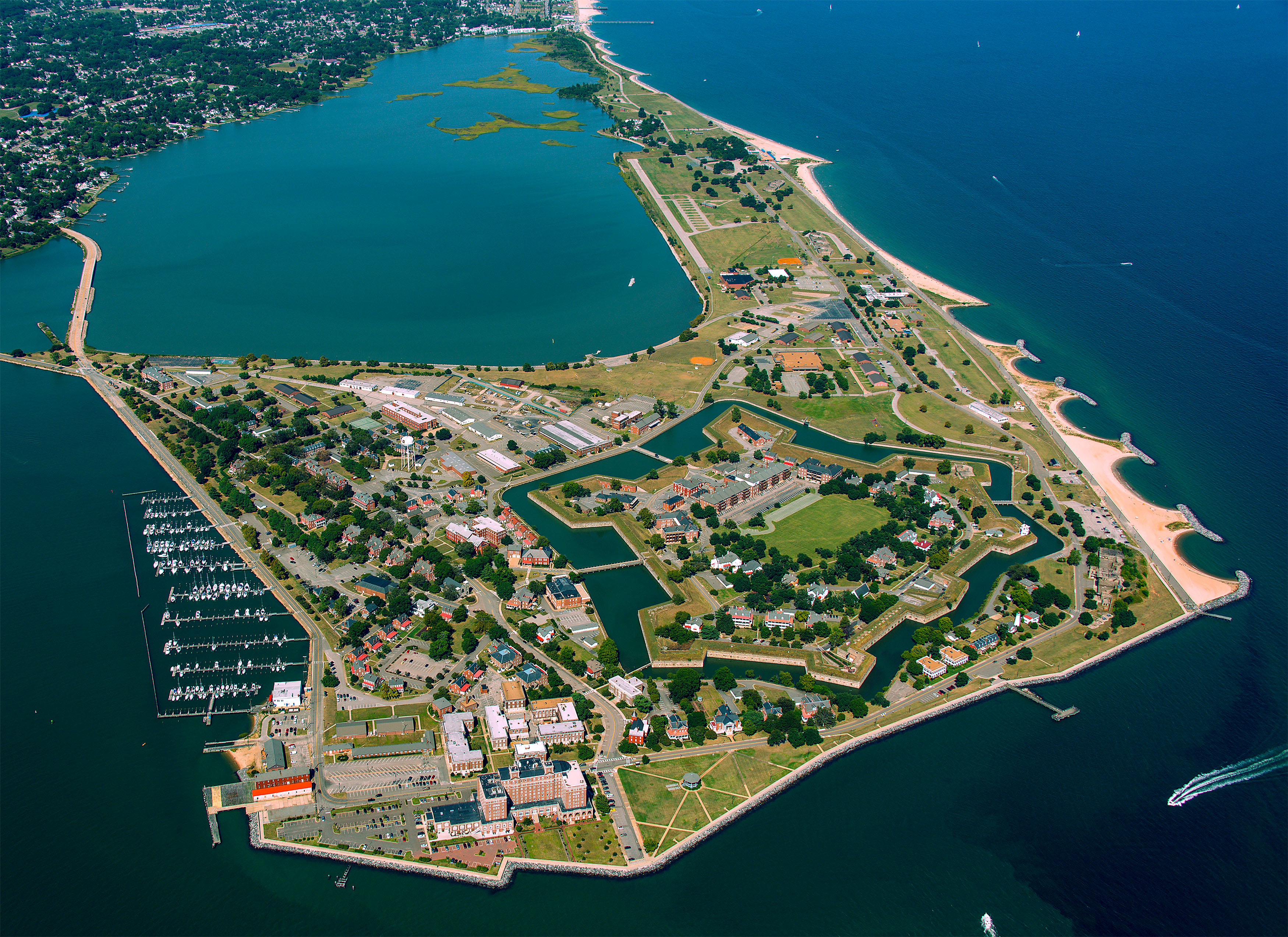
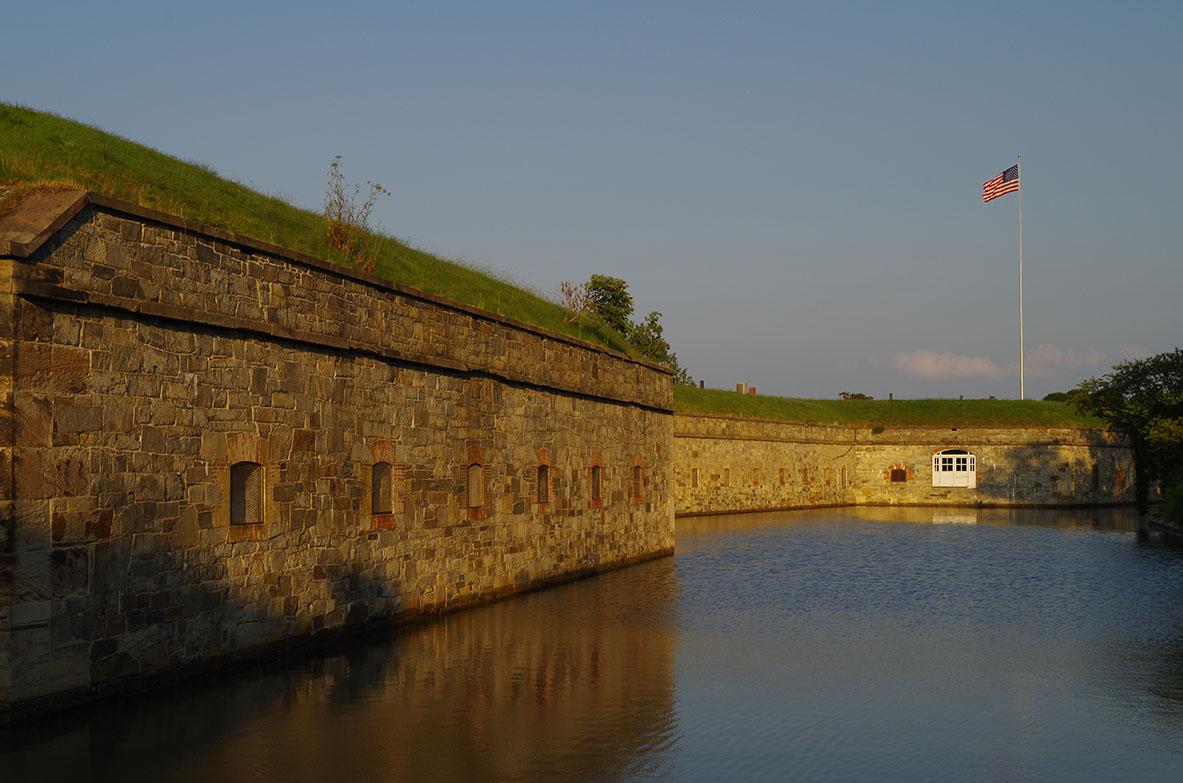
This is a living, working place where people actually reside inside a moated Civil War fortress on the Chesapeake, and that tension between everyday life and layered history is genuinely compelling. The 1619 landing of the first enslaved Africans in English North America, the fort's role as a Civil War freedom destination, and centuries of coastal defense make this one of the most historically dense monuments in the NPS system. Biking the grounds and catching a living history demonstration on the same afternoon is entirely doable.
Who it is for
History buffs drawn to Civil War and colonial African American history will find this essential. Families with kids benefit from hands-on programs and reenactments. Casual visitors wanting a scenic coastal bike ride plus real substance will also be satisfied. Those seeking wilderness or backcountry hiking should look elsewhere.
Highlights
- Living history reenactments and historic weapons demonstrations inside an active moated fortress
- Self-guided walking and biking routes around the grounds with interpretive stops covering the 1619 arrival and Civil War freedom-seekers
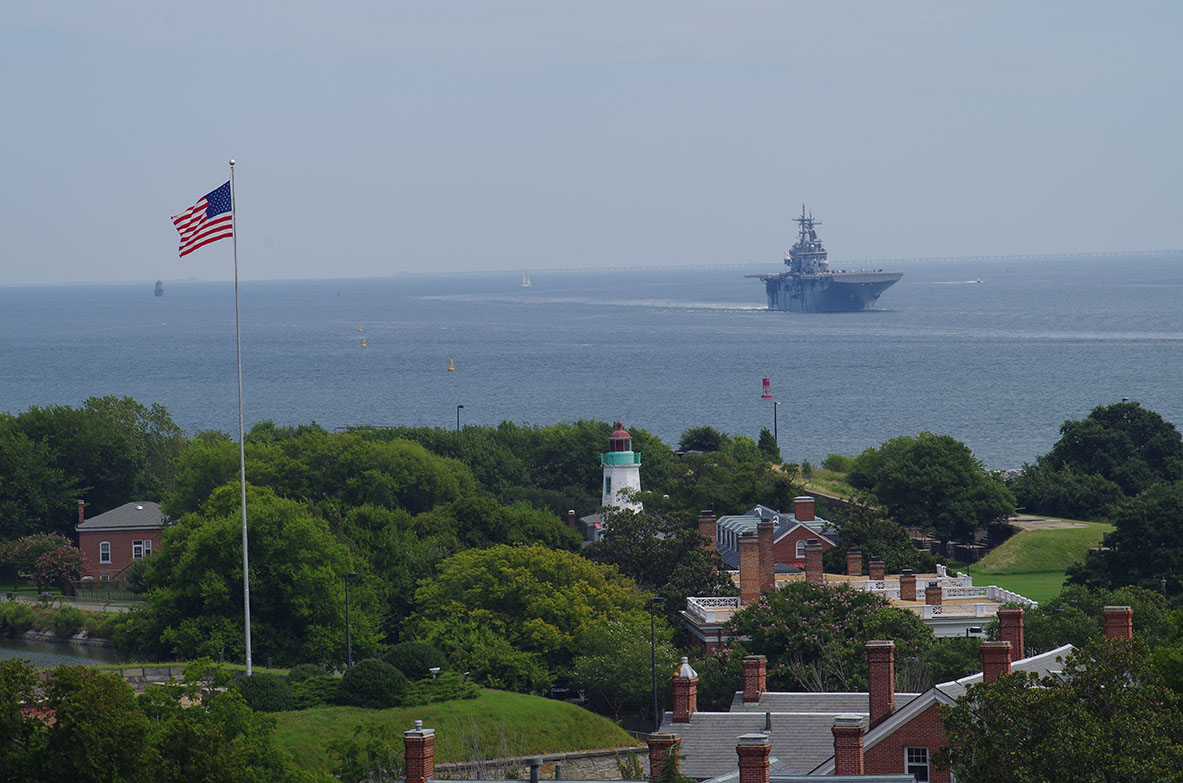
- Birdwatching and wildlife watching along the Chesapeake waterfront adjacent to the monument
- Guided tours that connect prehistory, colonial settlement, and Civil War emancipation in a single visit
Editor's tipArrive on a weekend when living history programs and first-person interpretation are most likely scheduled. Remember that residential buildings are active homes, so keep to the public paths and check the NPS site for tour times before you go.