
Is Cedar Breaks National Monument worth it?
Cedar Breaks punches well above its modest $10 entry fee.
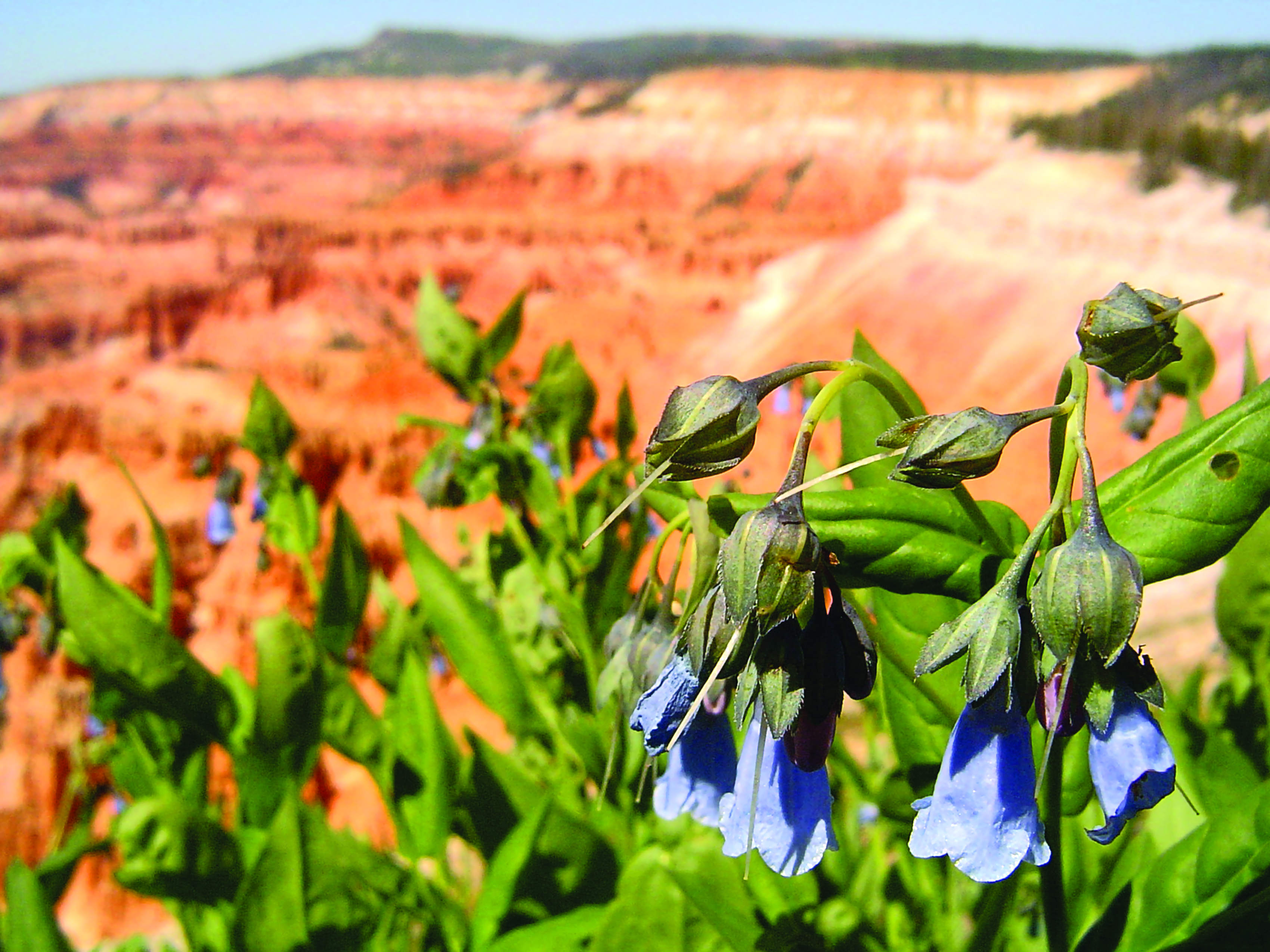
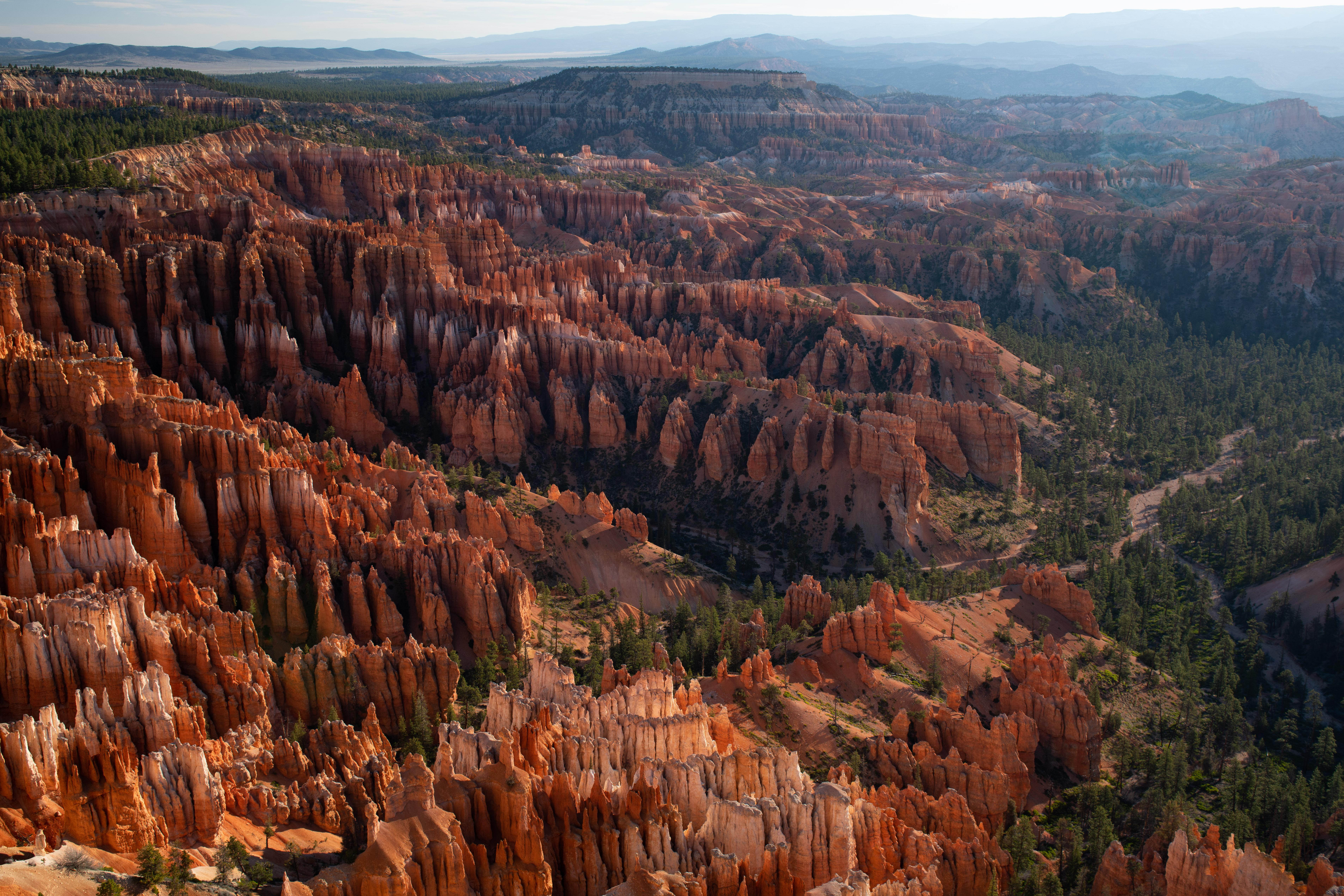
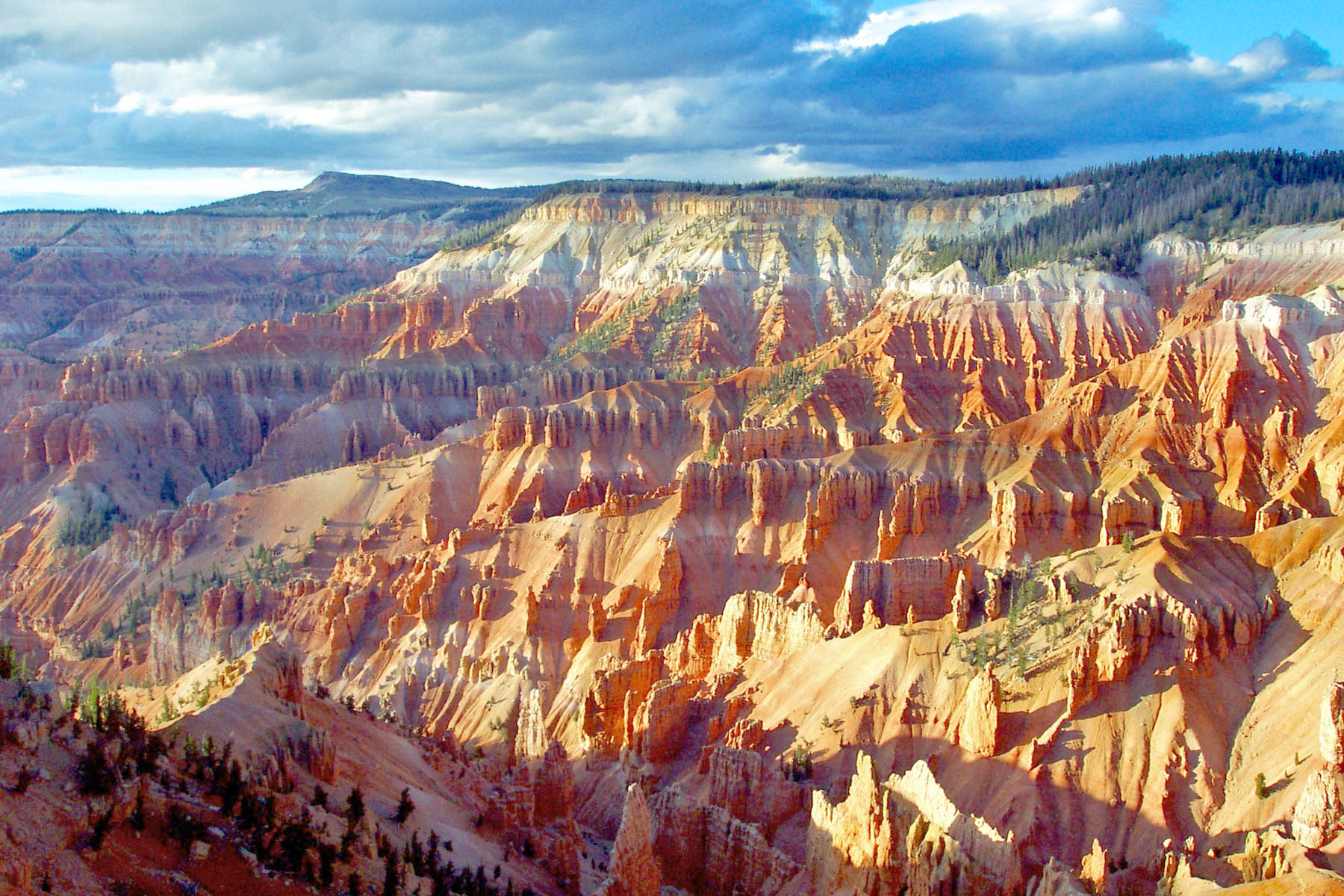
Sitting above 10,000 feet on the rim of a half-mile-deep geologic amphitheater, it offers a genuinely distinct experience from the canyon country parks nearby. The short summer window (late May to mid-October by road) concentrates the value, but winter transforms it into a legitimate snowshoeing and cross-country skiing destination. The elevation keeps crowds thinner than Zion or Bryce, and the dark-sky stargazing program is among the most accessible astronomy experiences in the Utah parks system.
Who it is for
Ideal for stargazers, wildflower seekers, families wanting a structured Junior Ranger experience, and winter recreationists. Road-trip visitors who want a high-elevation counterpoint to lower Utah parks will find real value here. Visitors needing extensive trail networks or full-service amenities may feel the offerings are compact.
Highlights
- Ranger-guided astronomy and stargazing programs at over 10,000 feet elevation with minimal light pollution
- Winter access via snowshoeing, cross-country skiing, and snow play when the road closes to vehicles
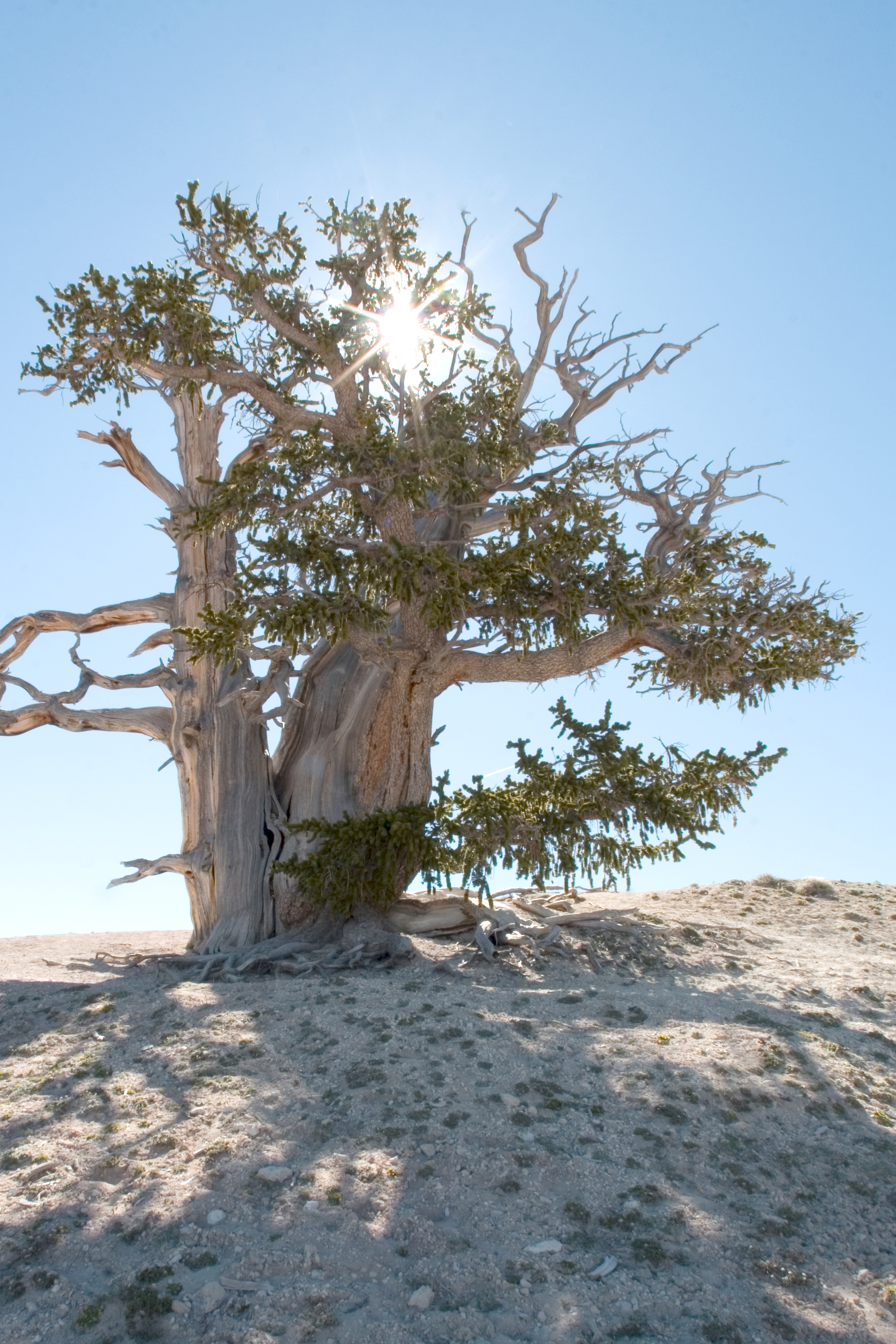
- Birdwatching and wildlife watching in a subalpine environment that differs sharply from southern Utah's desert parks
- Affordable $10 entry with a Junior Ranger program that gives kids structured engagement with the geology and ecology
Editor's tipThe road through the park closes to vehicles by mid-October, so confirm State Route 148 conditions before driving up, especially in late spring or early fall. Layer aggressively regardless of season, since temperatures can drop 20 degrees from the valleys below and summer hail is genuinely common.