parkverdict
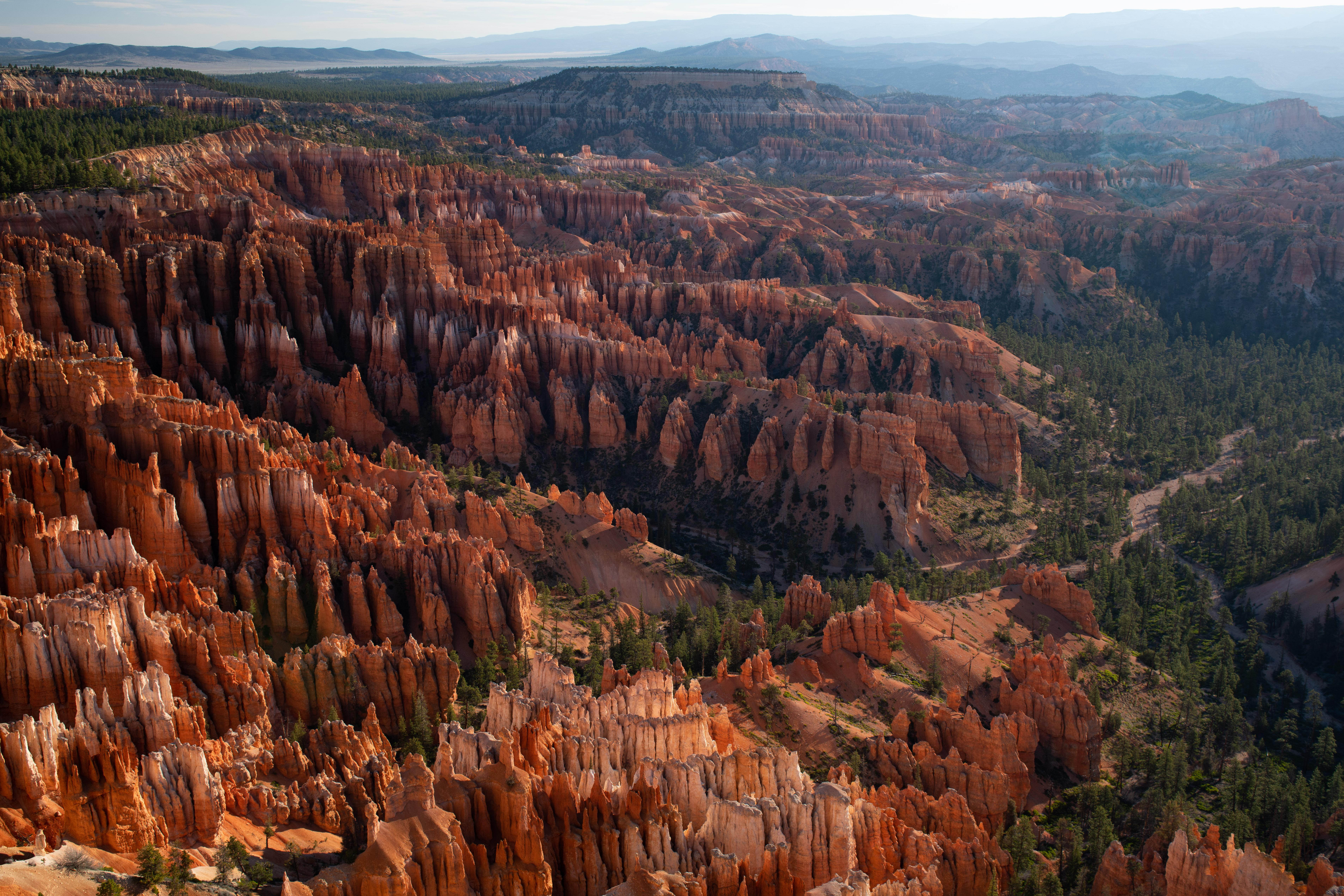
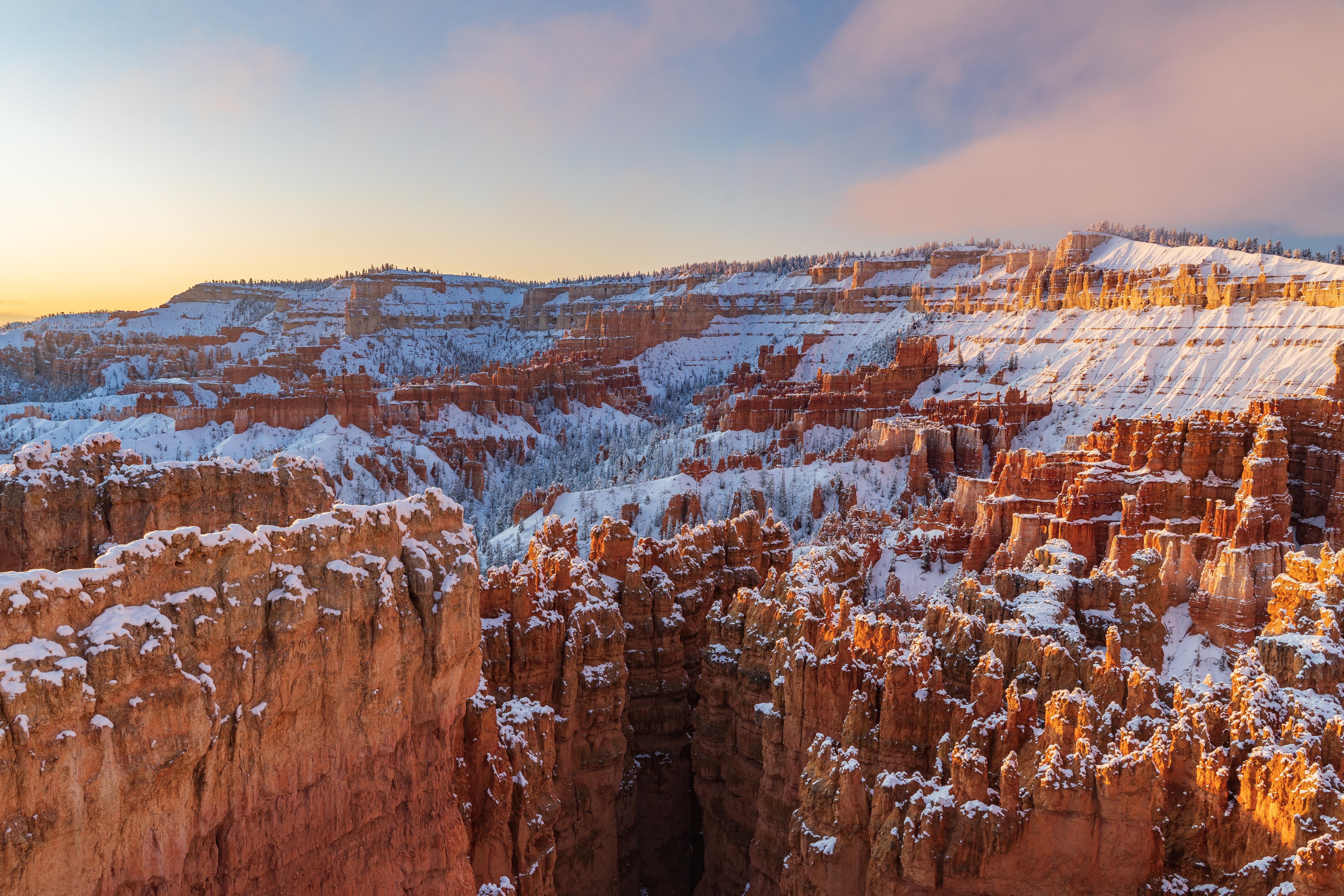
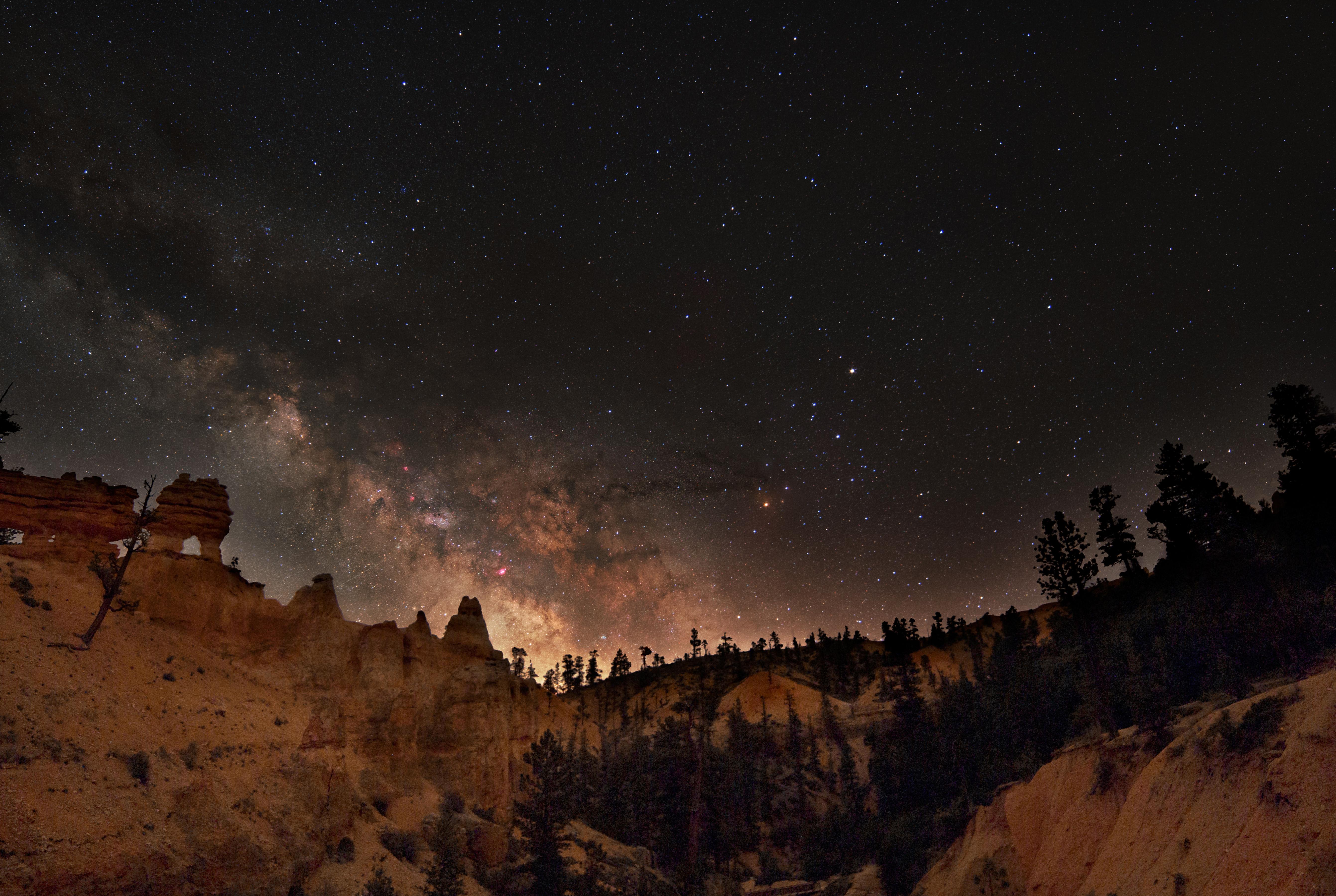
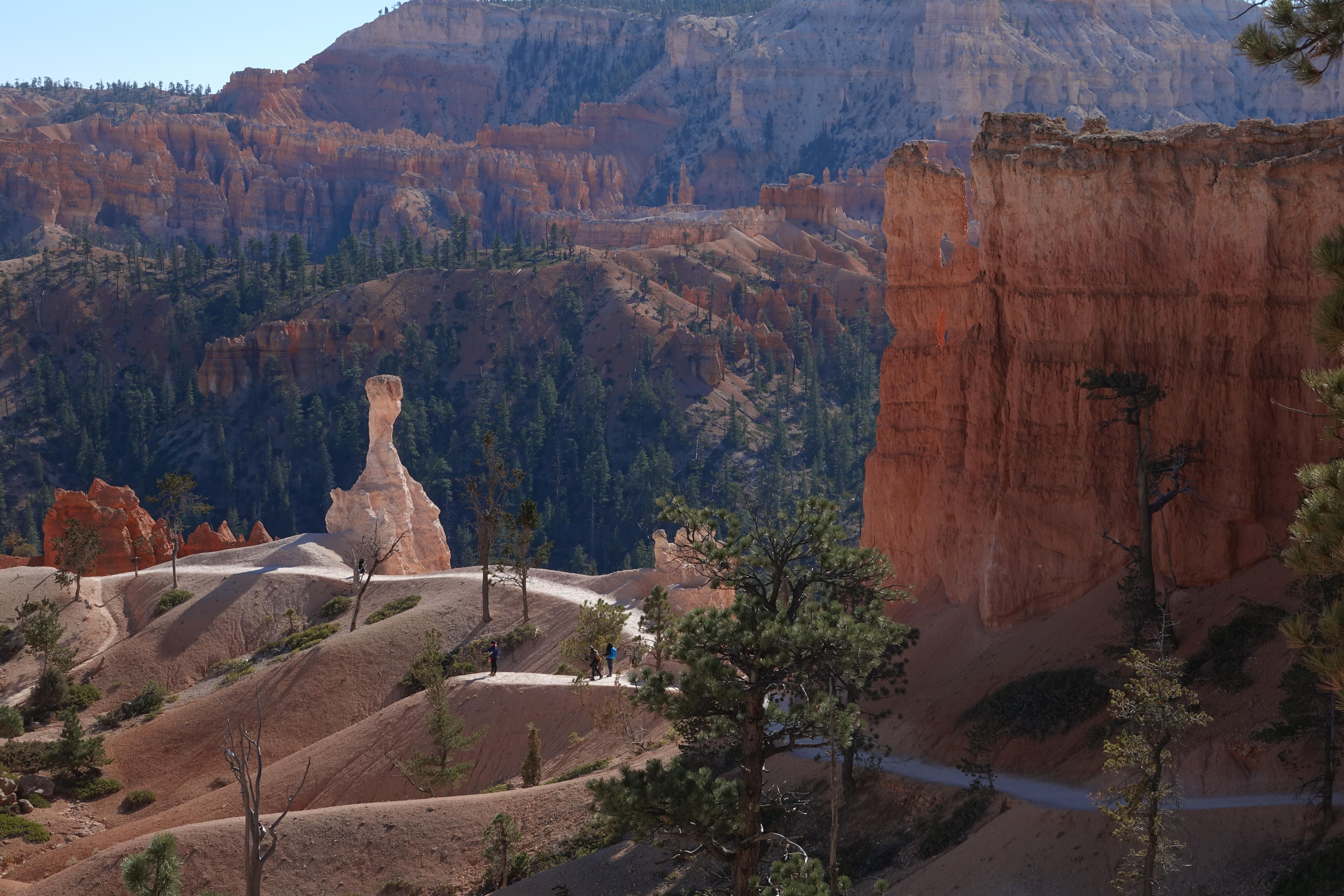
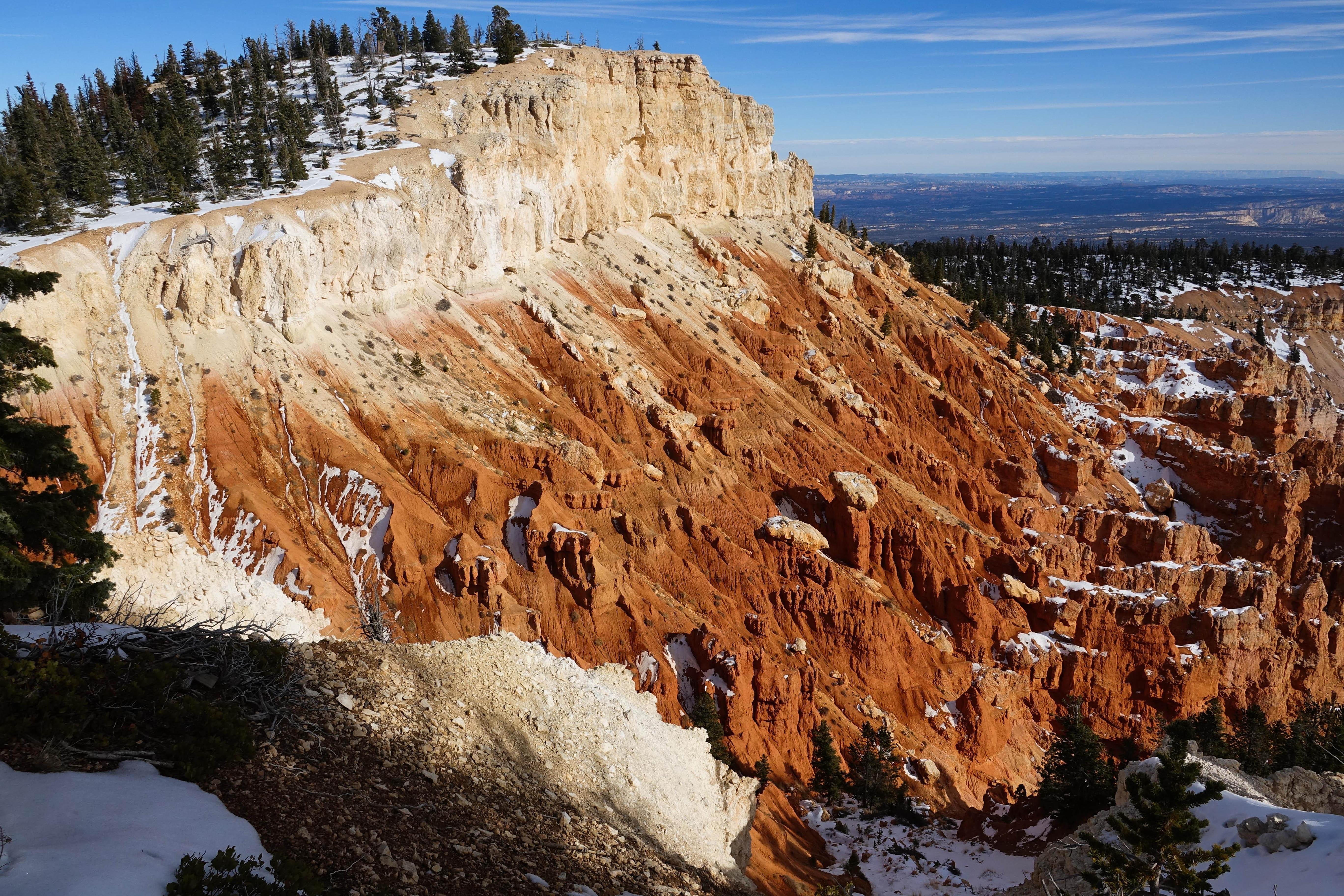
A red rock landscape and plateau forest glows with the morning sunSnow blankets a red rock landscape of tall rock spires beneath an early morning skyThe center of the Milky Way galaxy is seen rising above a horizon of forest and red rock spiresA lone white rock tower stands surrounded by red rock walls and forest along a trail
National ParkUT

Bryce Canyon National Park

NPS / NPS Photo / Peter Densmore
90/ 100ESSENTIAL
parkverdict Experience ScoreIndependent, not sponsored

90 of 100. Our independent metric for how much a unit documents and how easy it is to access, computed the same way for every park so the ranking is reproducible.

Produced by a transparent formula from public NPS data, not a guess. How we score

Our Verdict

Is Bryce Canyon National Park worth it?

Bryce Canyon punches well above its size.

The hoodoo amphitheaters here are not just scenic backdrops but genuinely disorienting landforms that reward hiking down into them, not just peering over the rim. Add a certified dark-sky program, legitimate winter snowshoeing, and horse trekking through the canyon floor, and this is one of the most activity-dense parks in the Southwest for its $20 entry fee. The high-elevation climate bites hard outside summer, but that same elevation is exactly what makes the night sky extraordinary.

Who it is for

Hikers willing to drop below the rim, astronomy enthusiasts, families with kids hunting Junior Ranger badges, and winter visitors who want snowshoeing without the crowds. Road-trippers who only do the scenic drive will leave feeling like they missed the point.

Highlights

  • Hiking down among the hoodoos rather than viewing them from above, where scale and color shift dramatically
  • Ranger-led stargazing at one of the darkest certified night skies in the continental US
  • Winter snowshoeing and cross-country skiing through a snow-dusted hoodoo landscape that most visitors never see
  • Horse trekking trips that follow canyon corridors inaccessible on foot-only itineraries

Editor's tipIf you visit between October and May, pack layers rated well below freezing because temperatures drop hard overnight at this elevation. Arriving at the rim for sunrise in any season earns you the best light on the hoodoos and noticeably thinner crowds than midday.
What you can do

Activities

AstronomyStargazingBikingRoad BikingCampingBackcountry CampingCar or Front Country CampingGroup CampingRV CampingFoodDiningPicnickingGuided ToursSelf-Guided Tours - AutoHands-OnCitizen ScienceHikingBackcountry Hiking
Overview

About Bryce Canyon National Park

Hoodoos (irregular columns of rock) exist on every continent, but here is the largest concentration found anywhere on Earth. Situated along a high plateau at the top of the Grand Staircase, the park's high elevations include numerous life communities, fantastic dark skies, and geological wonders that defy description.

When to go

Due of its high elevation climate, weather at Bryce Canyon through autumn, winter, and spring can be highly variable. From October to May temperatures fall below freezing nearly every night. The park typically experiences its coldest and snowiest periods from December through February. Spring storms in March and April can still produce heavy snowfall that may impact travel in the region. Summer hi