Is Blue Ridge Parkway worth it?
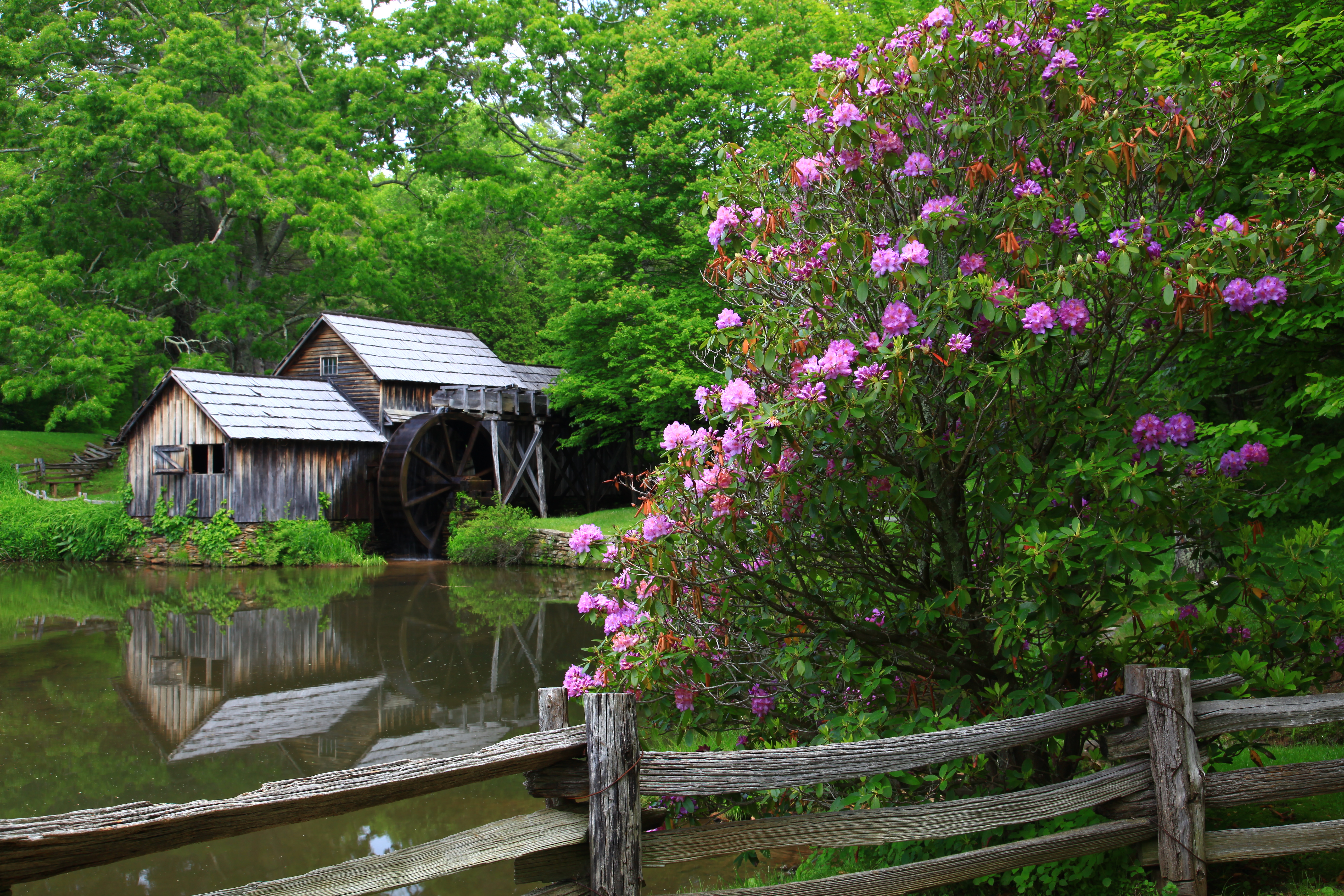
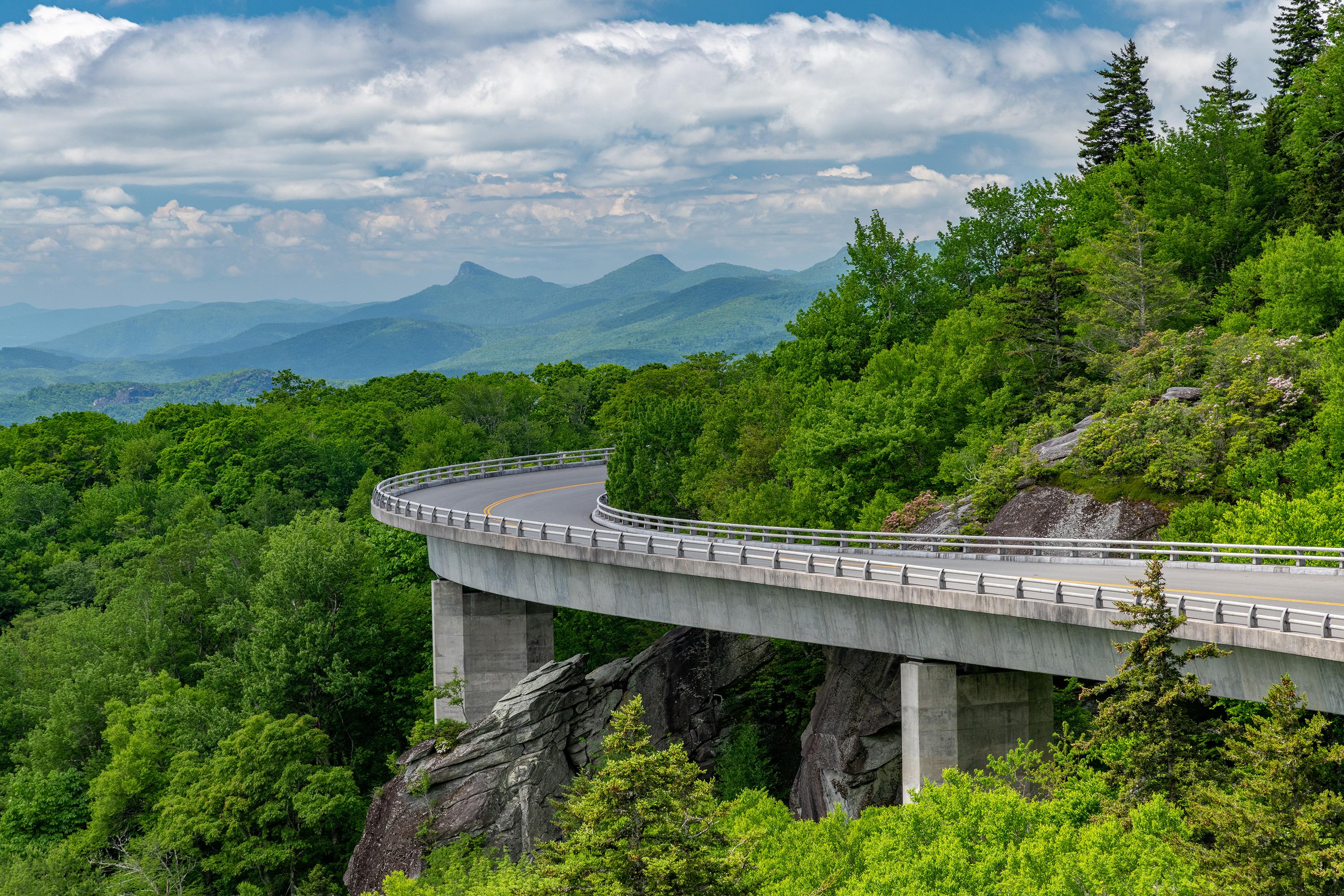
At 469 free miles threading through the Appalachian Highlands of Virginia and North Carolina, the Blue Ridge Parkway is less a destination than a spine connecting dozens of them.
The scenic driving alone justifies the trip, but the layering of roadside hiking, freshwater fishing, cycling, live music, and campgrounds makes this one of the most versatile units in the entire NPS system. The catch is commitment: you cannot rush it, and winter closures can strand plans. Come with flexibility and you will be rewarded.
Who it is for
Road trippers, cyclists tackling long climbs, families who want easy front-country camping with hiking options nearby, and anyone drawn to Appalachian culture and live music. Travelers wanting a single iconic summit or a compact itinerary may find the linear, sprawling format frustrating.
Highlights
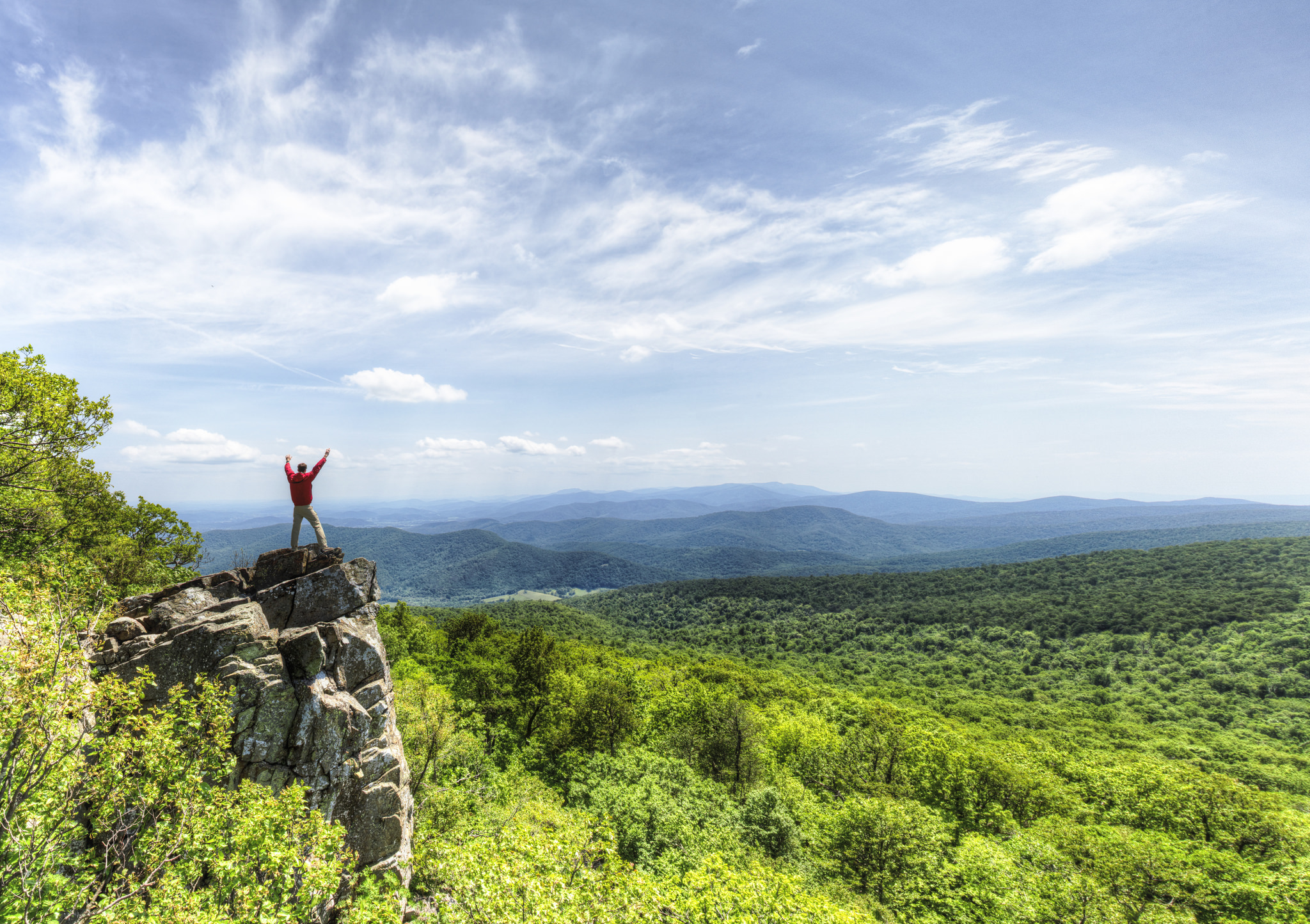
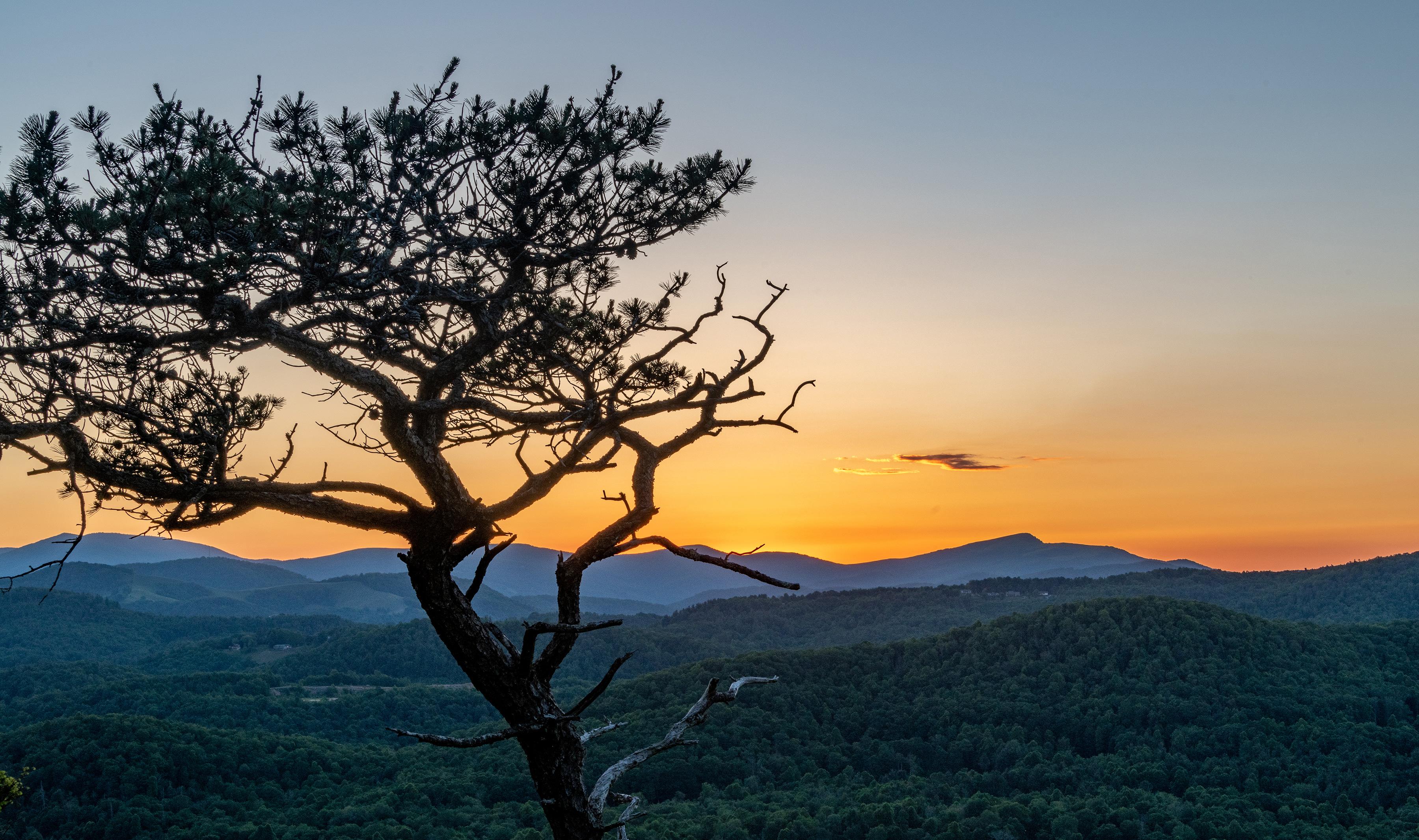
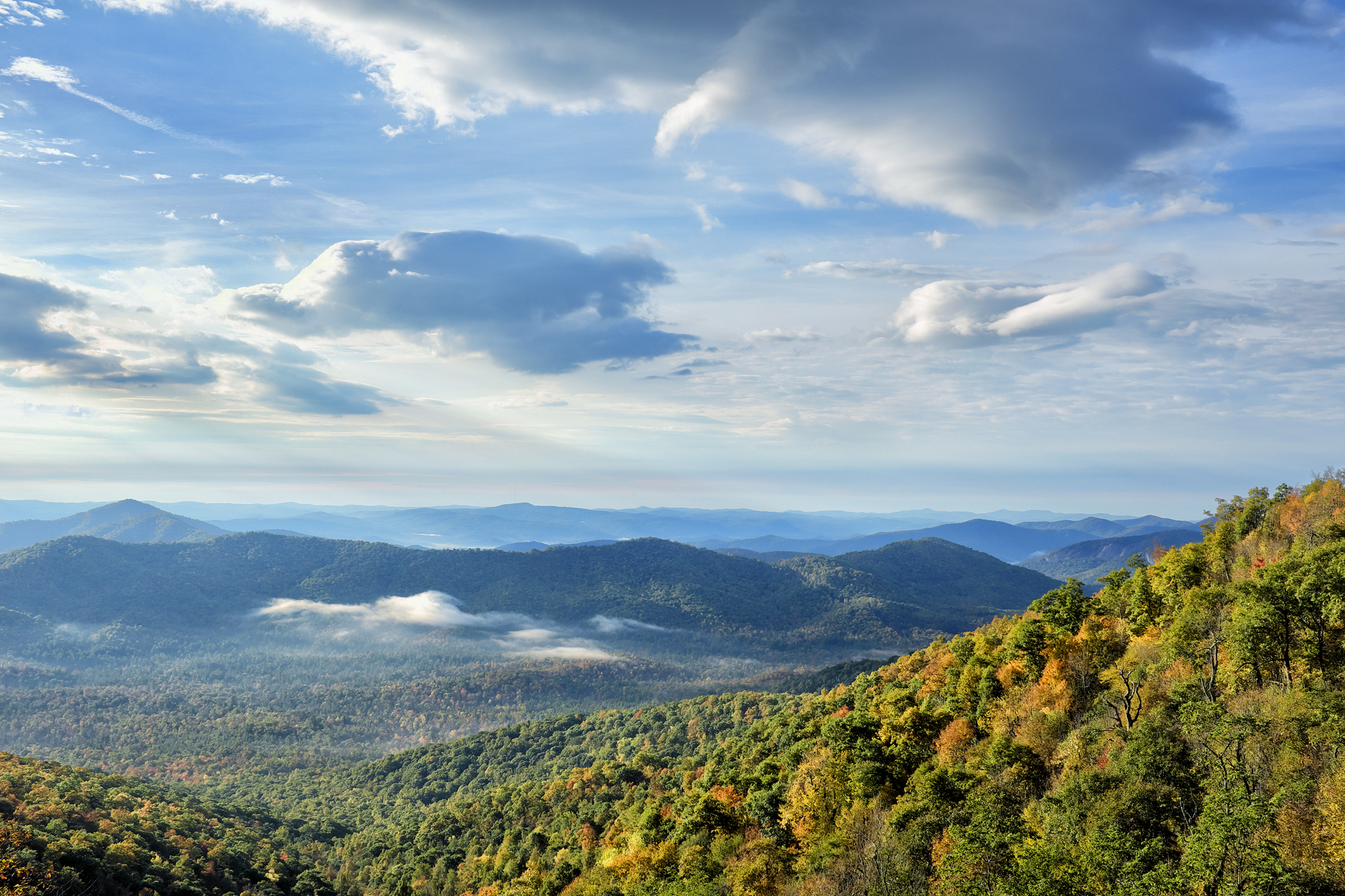
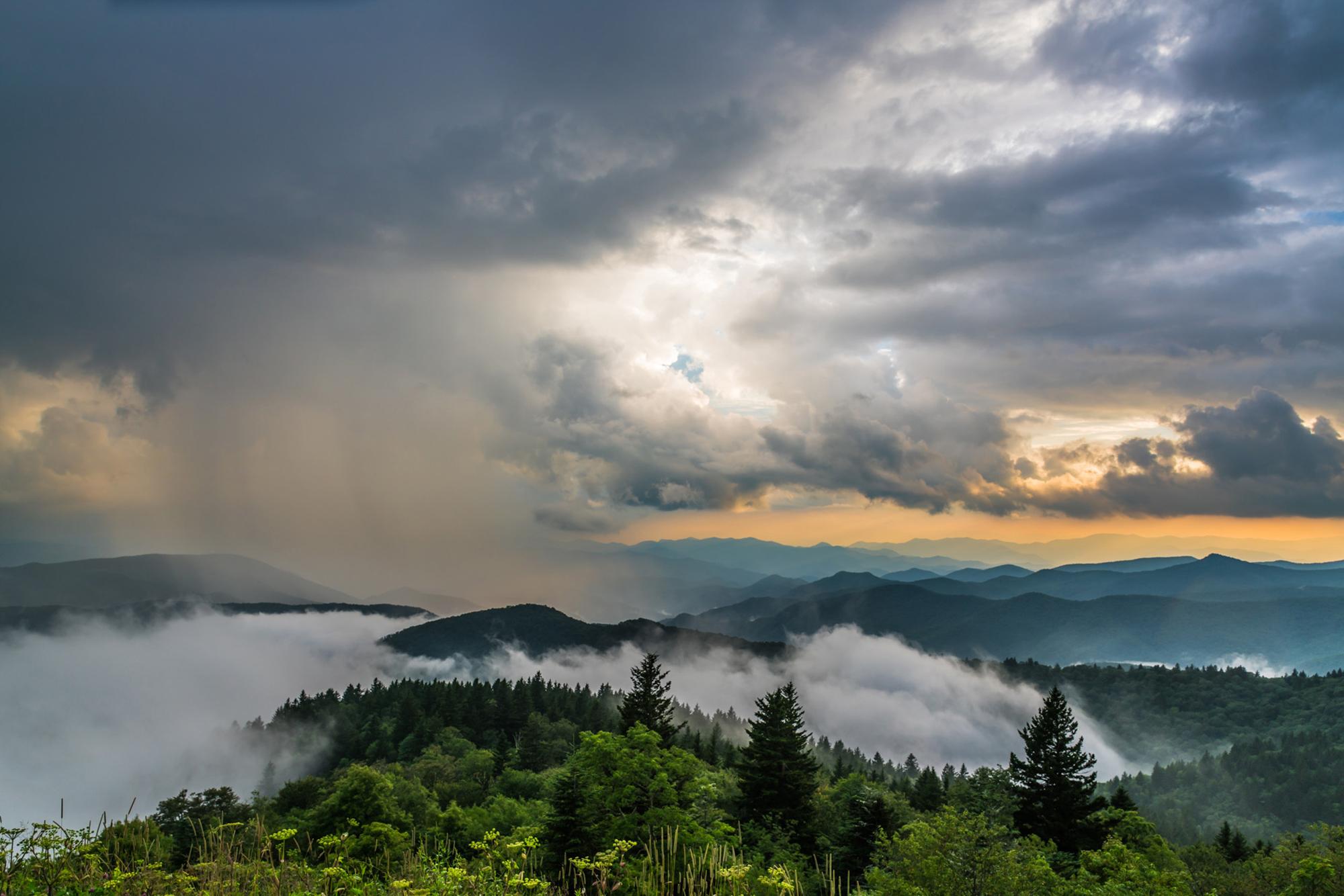
- 469 miles of free, speed-limited scenic driving with long-range mountain and pastoral valley views across two states
- A mix of front-country and backcountry hiking that ranges from roadside strolls to serious ridge walks
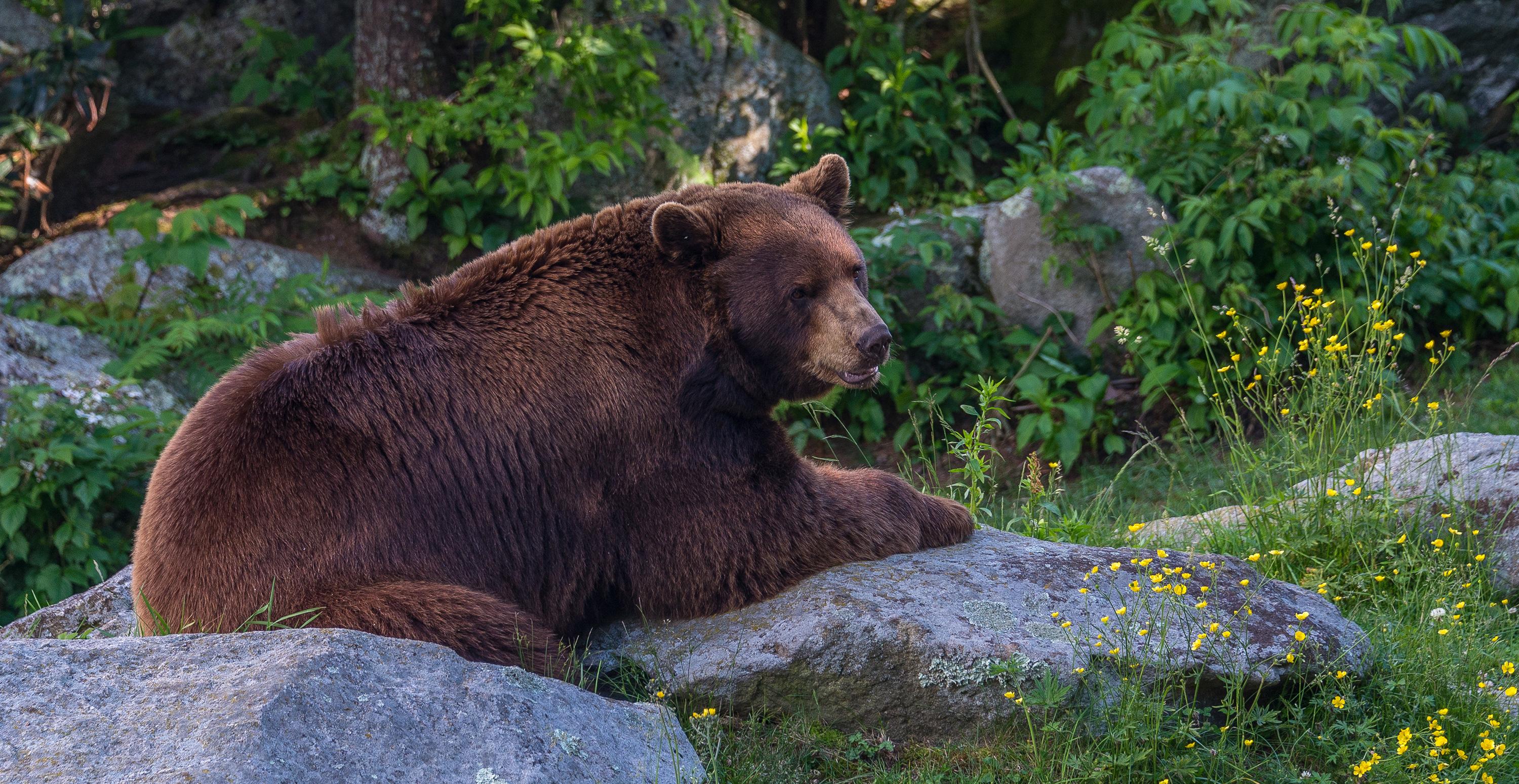
- Freshwater fishing stops and wildlife watching woven into the same corridor as campgrounds and picnic areas
- Regional arts, crafts, and live music programming that connects the road to genuine Appalachian cultural heritage
Editor's tipCheck the NPS road closure map before you leave, especially above 3,500 feet in spring or after any autumn cold snap, because sections can close overnight with little warning. Driving the full length takes several days minimum, so pick an anchor region, either the Virginia highlands or the North Carolina southern stretch, and build outward.