Is Baltimore-Washington Parkway worth it?
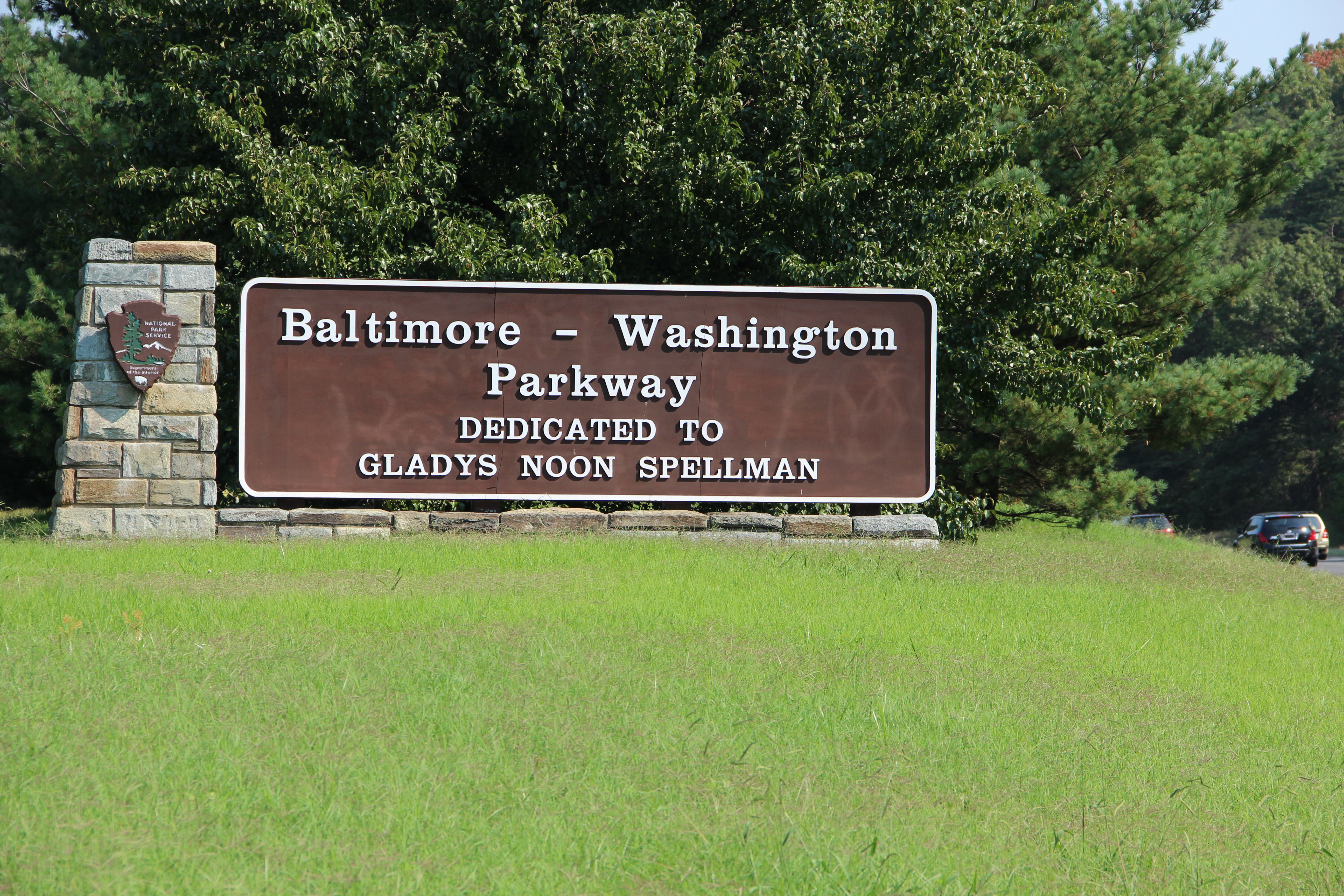
The Baltimore-Washington Parkway is essentially a functioning commuter highway with a National Park Service designation, and honesty demands you know that upfront.
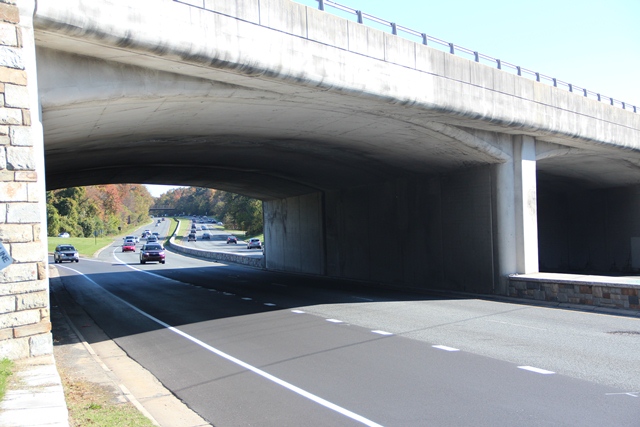
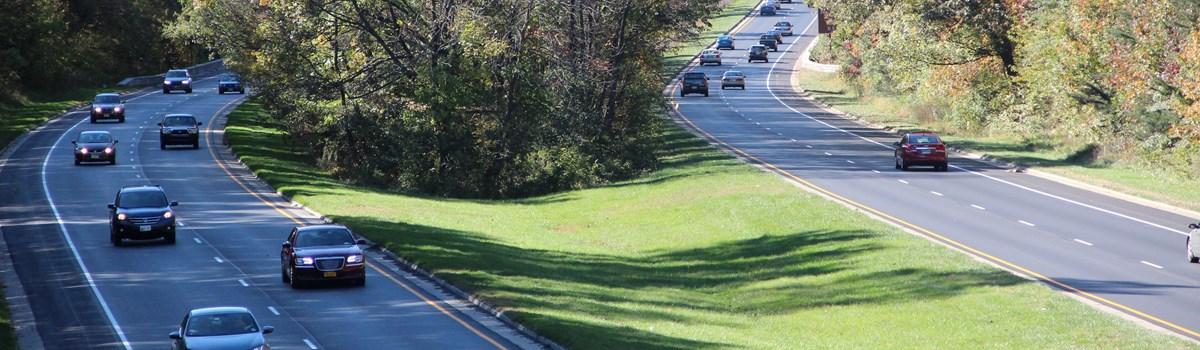
At 29 miles of landscaped roadway connecting two major cities, it offers a greener, more pleasant alternative to I-95, but calling it a destination park is a stretch. If you are already traveling between Baltimore and Washington, it is absolutely worth choosing over the interstate. As a standalone trip, there is almost nothing here to justify the detour.
Who it is for
Road-trippers already moving between Baltimore and D.C. who prefer a scenic, less aggressive drive will appreciate this. Anyone seeking hiking, wildlife, or active recreation should look elsewhere entirely.
Highlights
- A genuinely pleasant 29-mile landscaped corridor that softens the urban sprawl between two major cities
- Free access and 24-hour availability make it a no-friction alternative to toll-heavy interstate routes
- Spring and fall foliage along the tree-lined corridor adds real seasonal character to an otherwise functional drive
Editor's tipCheck NPS current conditions before heading out, as road construction closures happen periodically. Aim for a weekday morning in late April or mid-October when traffic is lighter and the corridor looks its best.