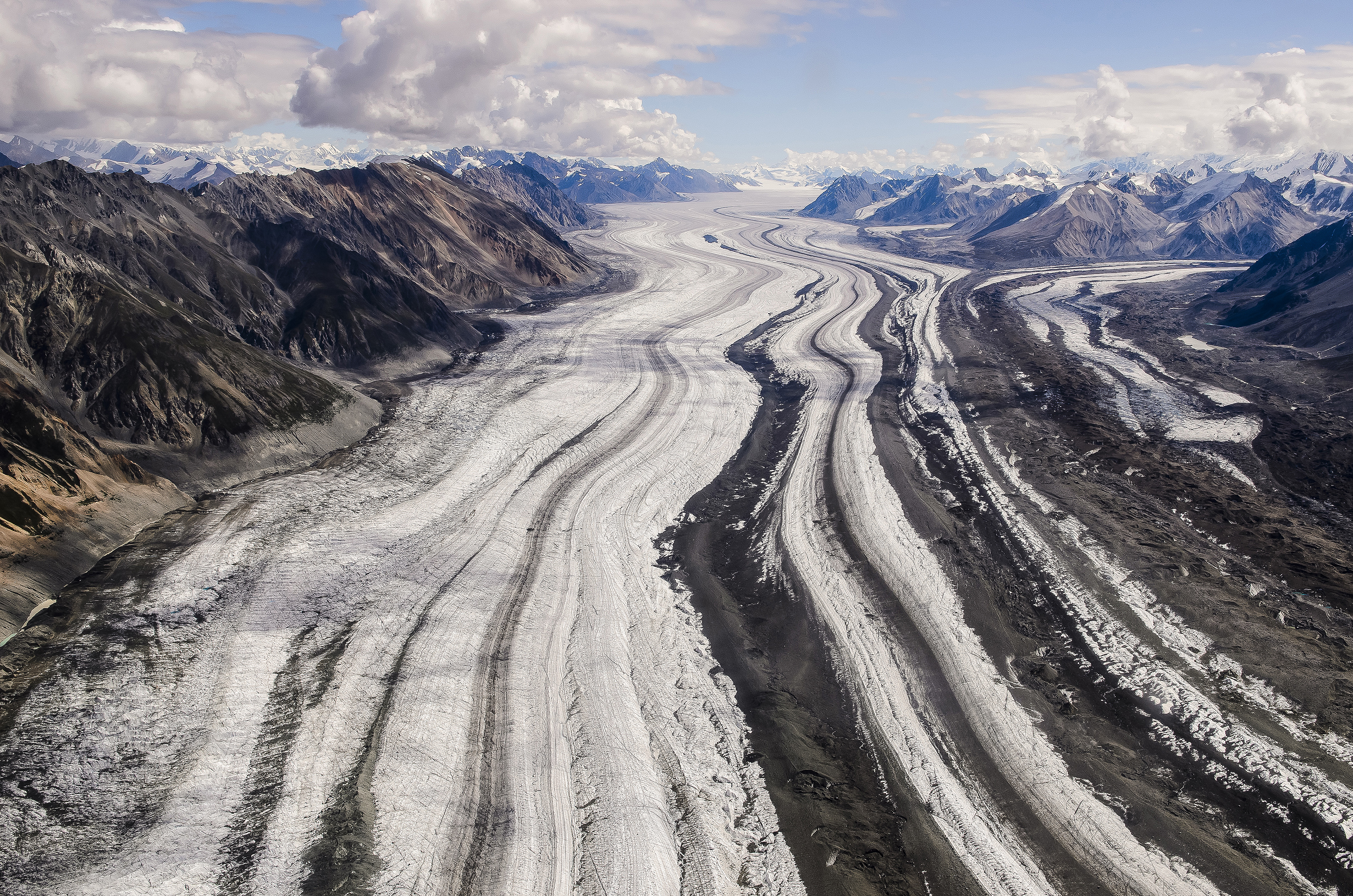
Is Wrangell - St Elias National Park & Preserve worth it?
Wrangell-St.
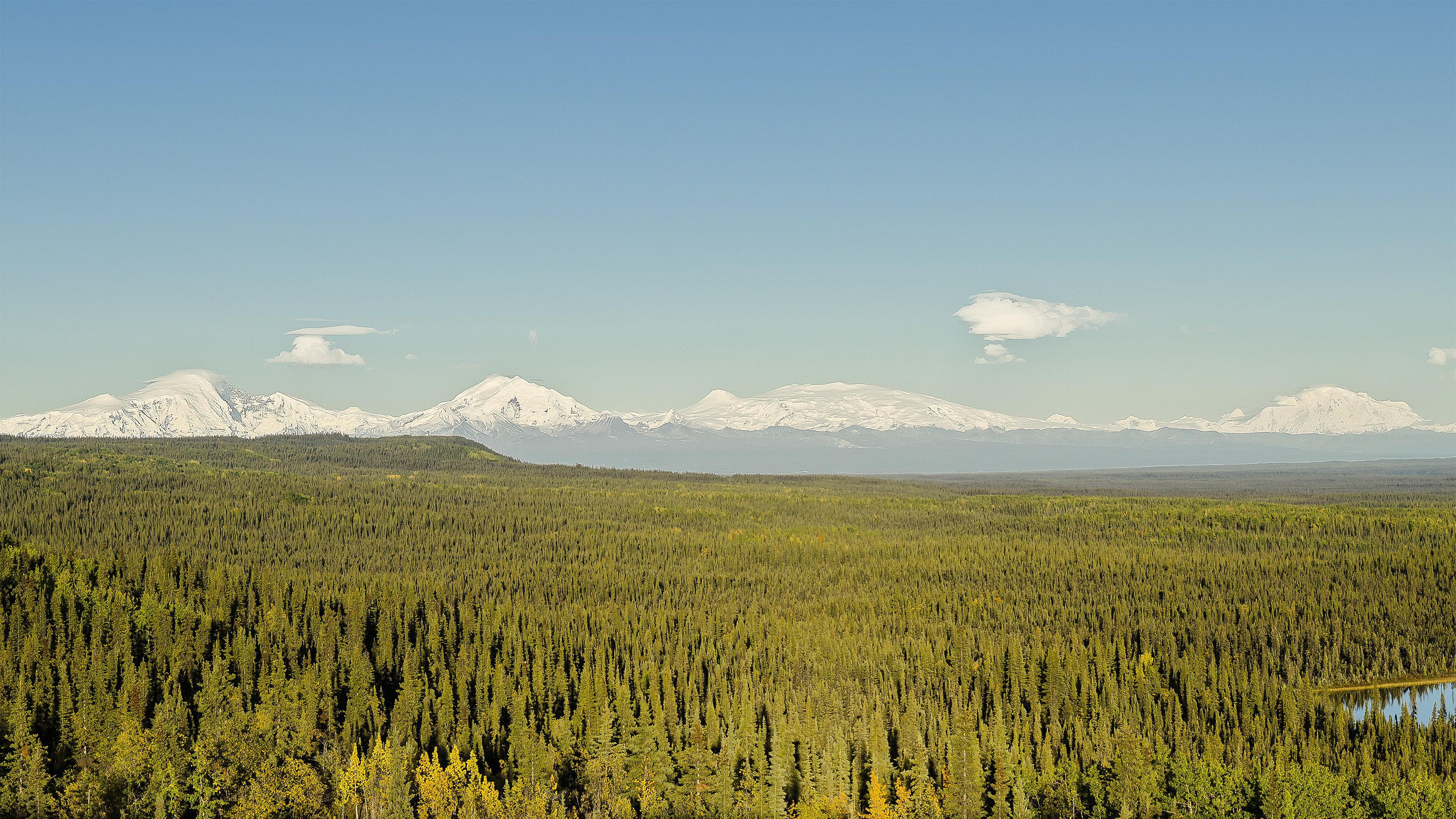
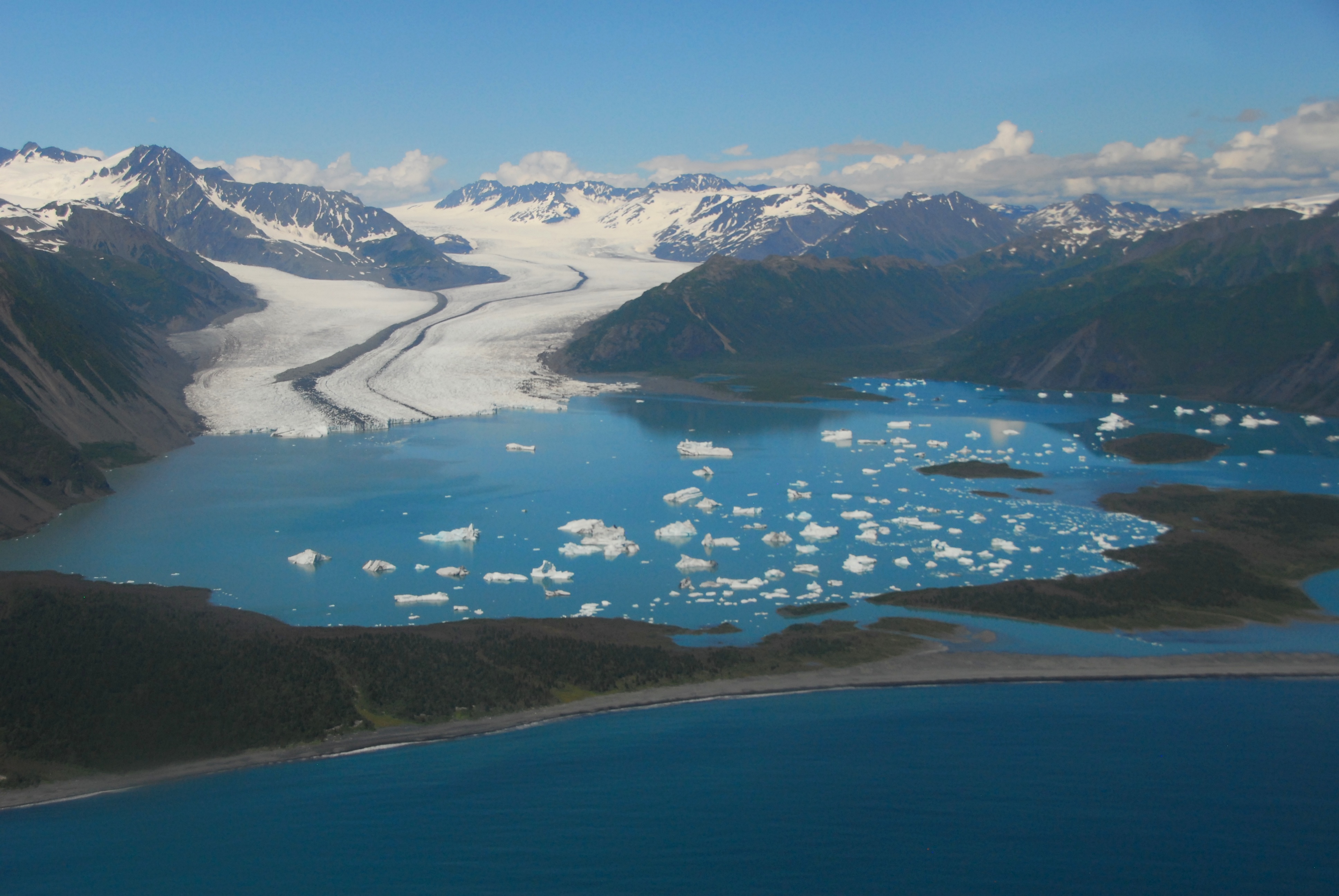
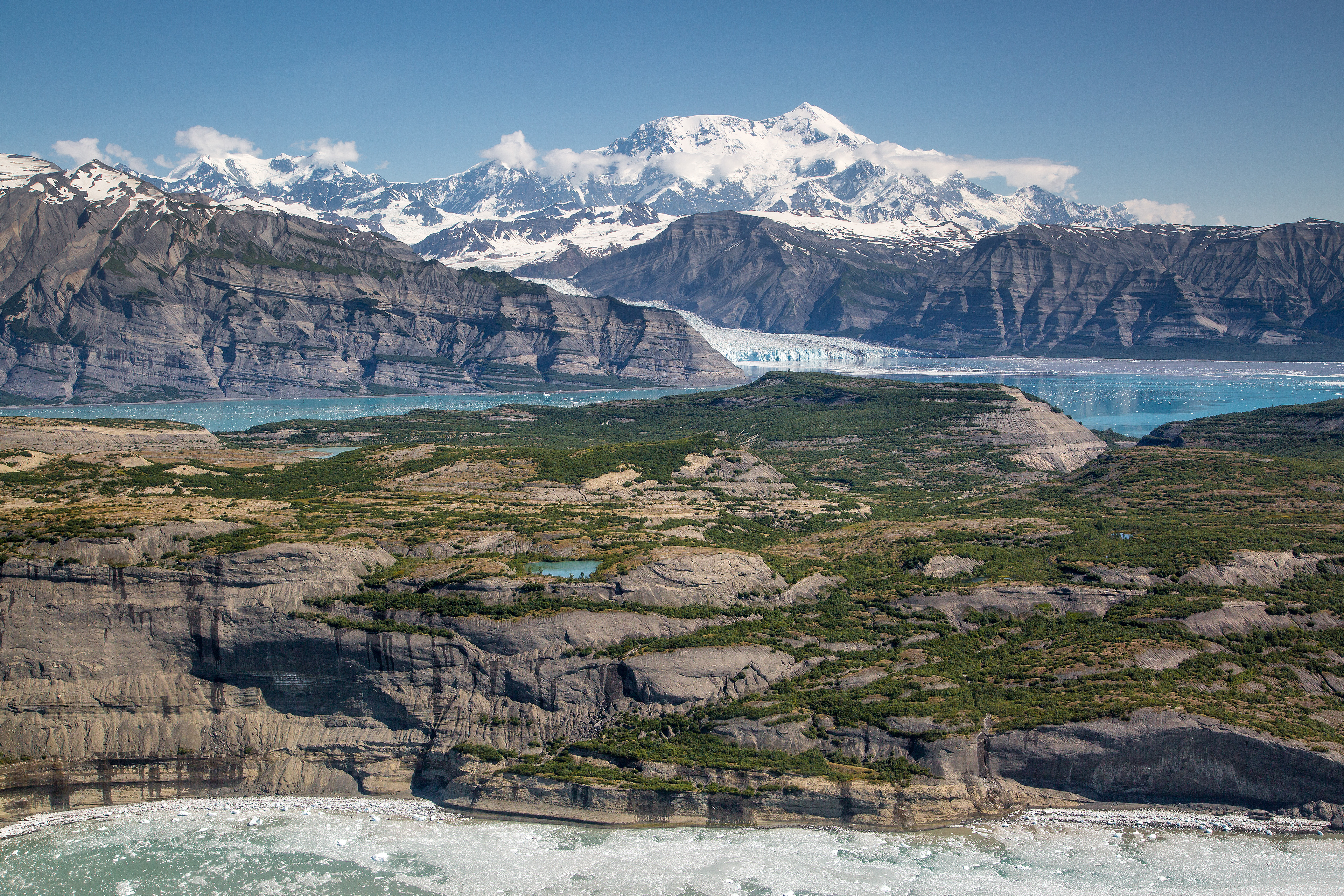
Elias is not a park you casually drop into. At 13.2 million acres, free to enter, and genuinely wild, it rewards people who plan hard and commit fully. The activity list is almost absurdly broad: fly in by fixed-wing plane, paddle remote rivers, mountain climb glaciated peaks topping 18,000 feet, or simply drive unpaved roads into copper-mining ghost town country. This is America's largest national park, and it operates on a scale that humbles even seasoned backcountry travelers. If you show up underprepared, it will feel indifferent to you.
Who it is for
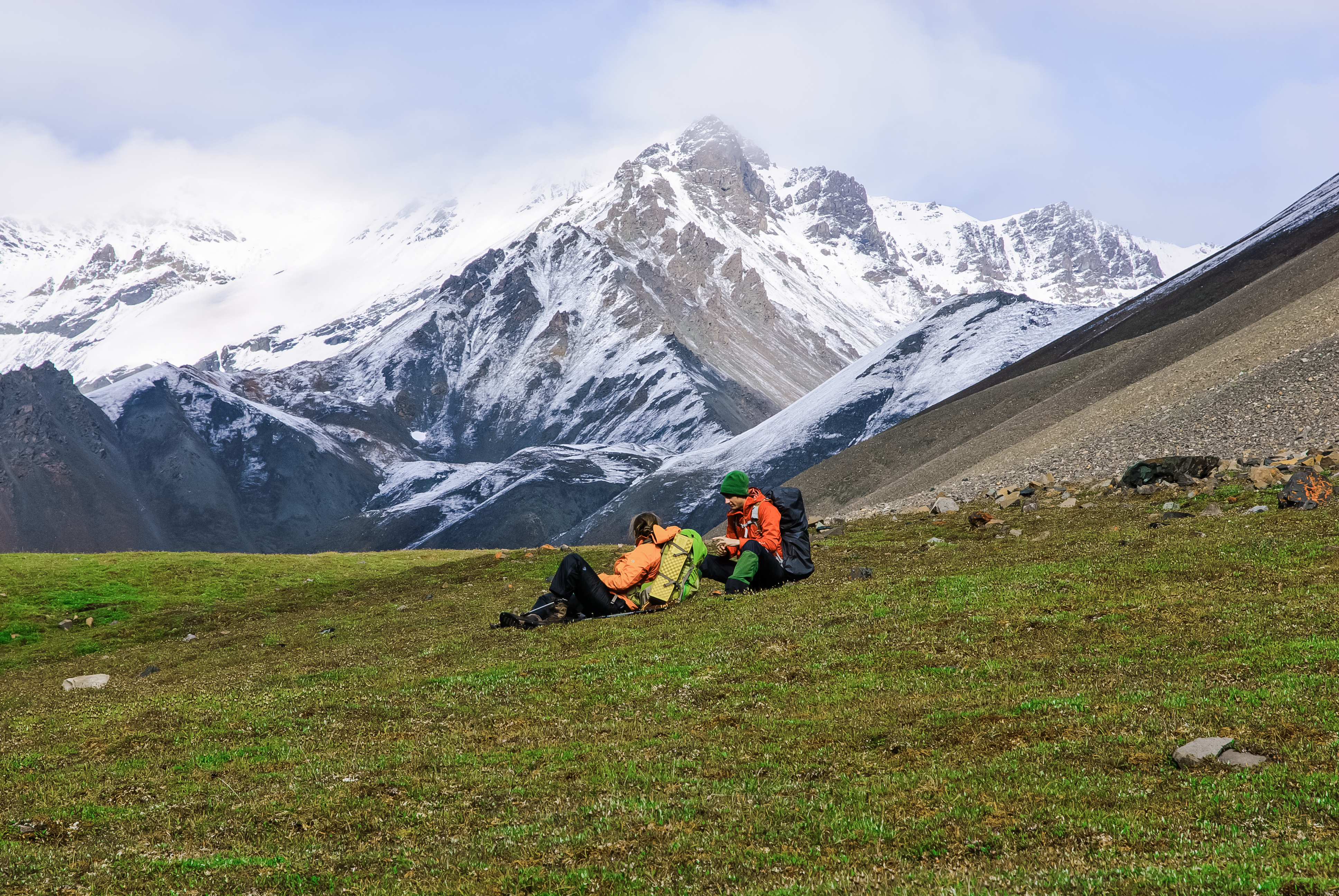
Built for self-sufficient adventurers: backcountry hikers, mountaineers, fly-in campers, and paddlers who plan weeks ahead. Families comfortable with frontier logistics will find the Junior Ranger program and front-country camping accessible. Casual day-trippers expecting paved infrastructure should look elsewhere.
Highlights
- Fixed-wing flying access into remote terrain that is otherwise unreachable by road or trail
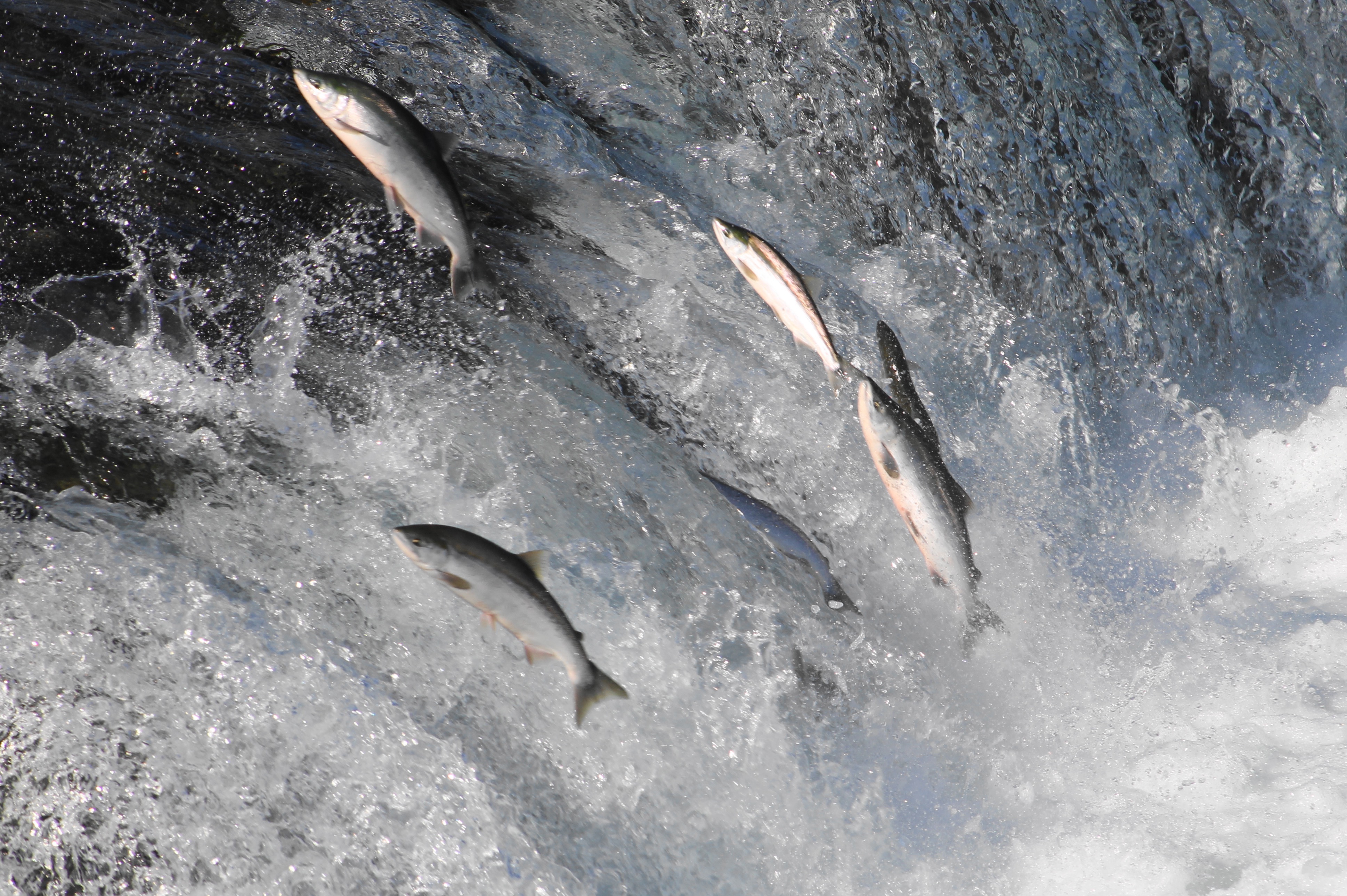
- Fly fishing and freshwater paddling on wild river systems with virtually no crowds
- Mountain climbing routes on some of the highest peaks in North America
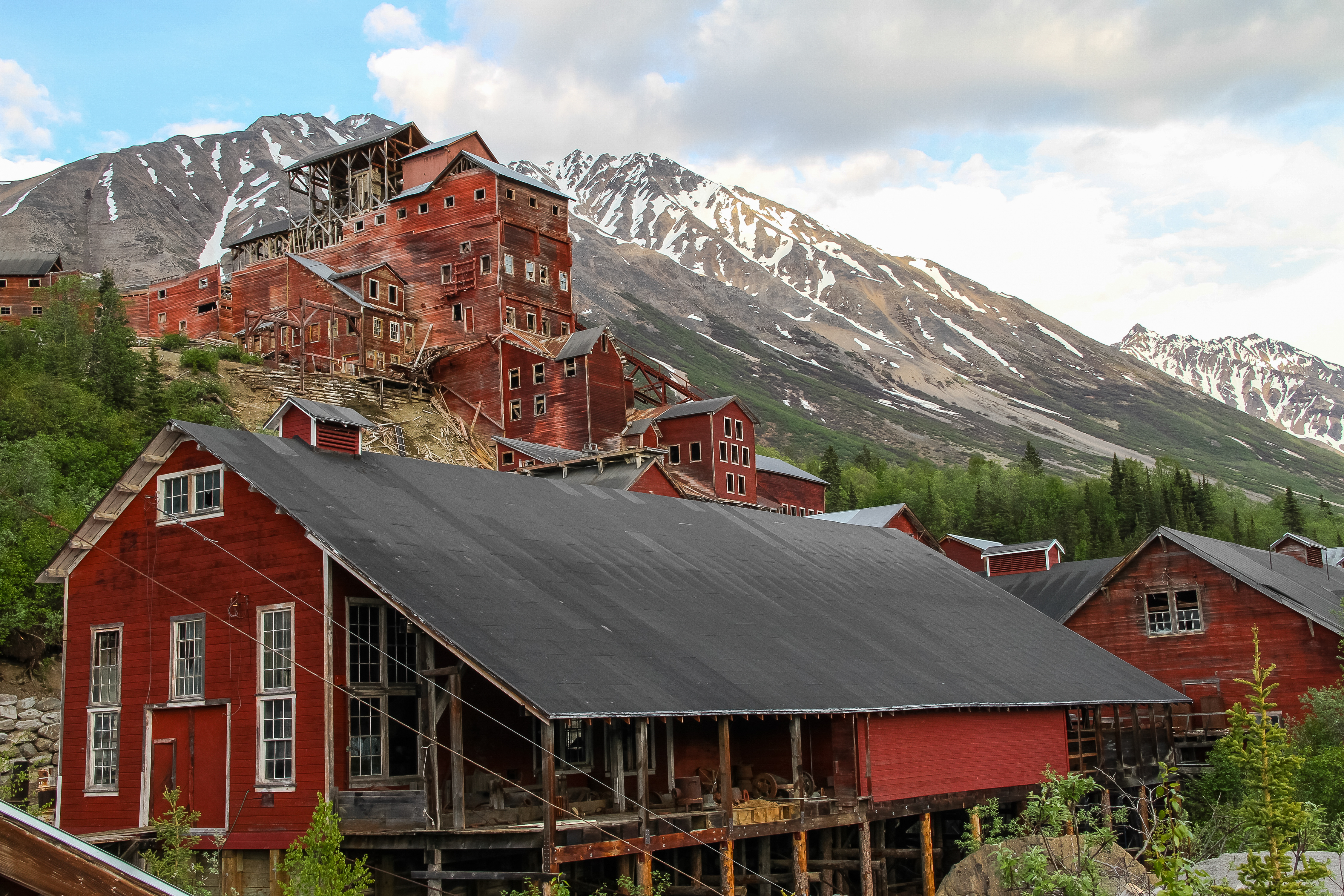
- Scenic driving on unpaved roads to Kennecott, a preserved early-20th-century copper mining complex
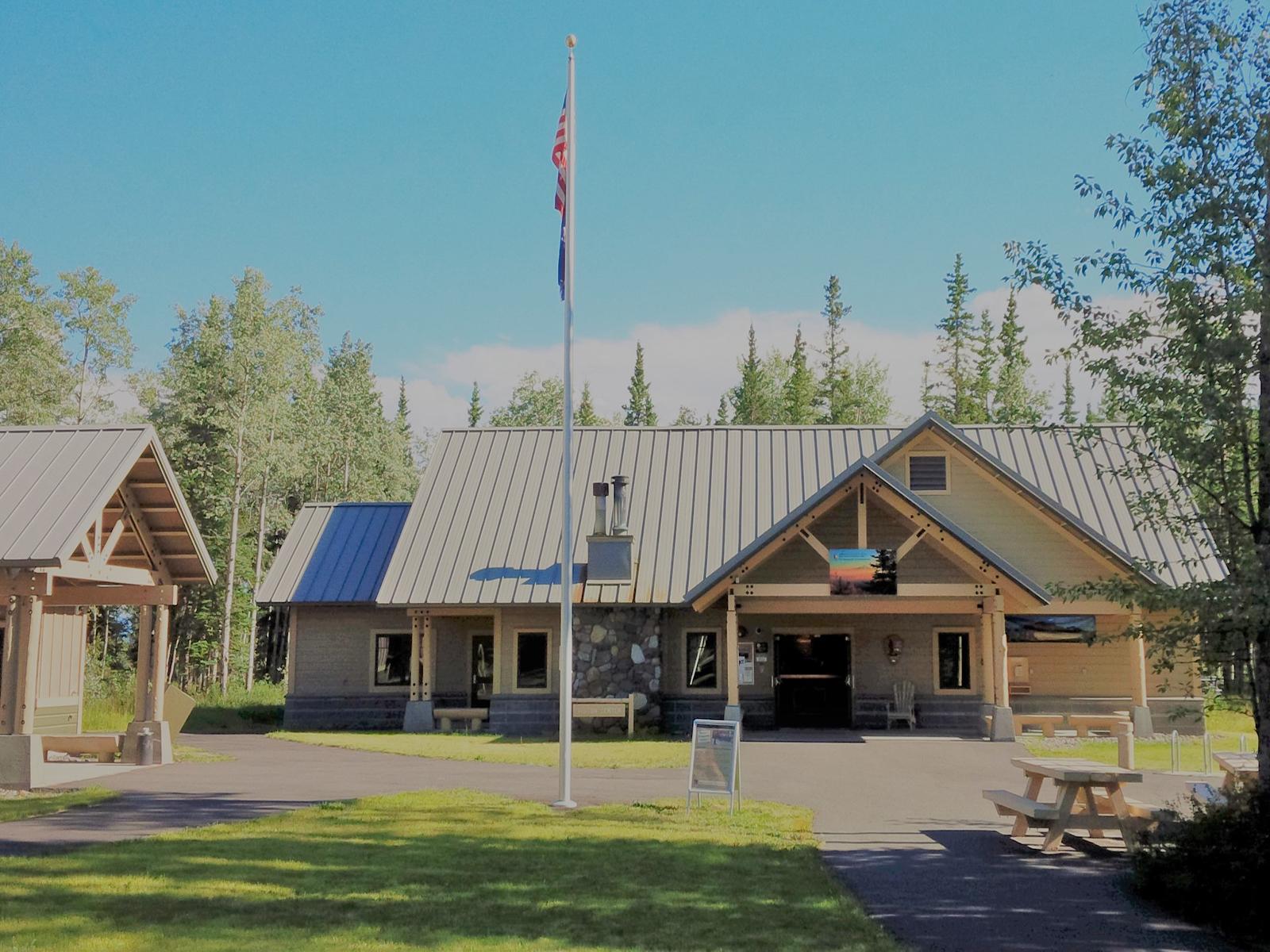
Editor's tipCall the Kennecott or Copper Center visitor centers well before your trip since seasonal hours vary sharply and road conditions on the McCarthy Road change fast. Building at least one extra day into your itinerary as a weather buffer is not optional here, it is standard practice.