Is New Jersey Pinelands National Reserve worth it?
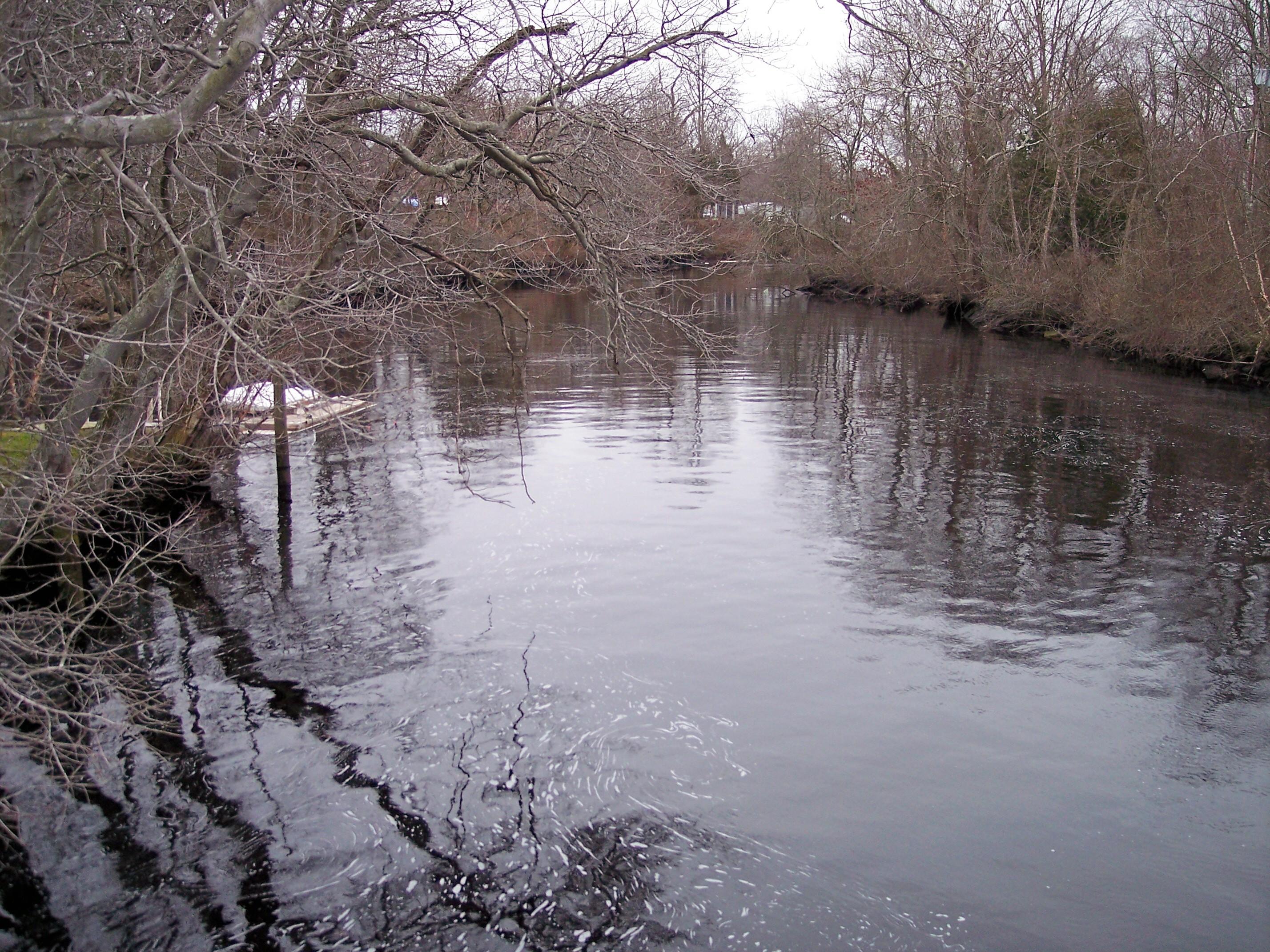
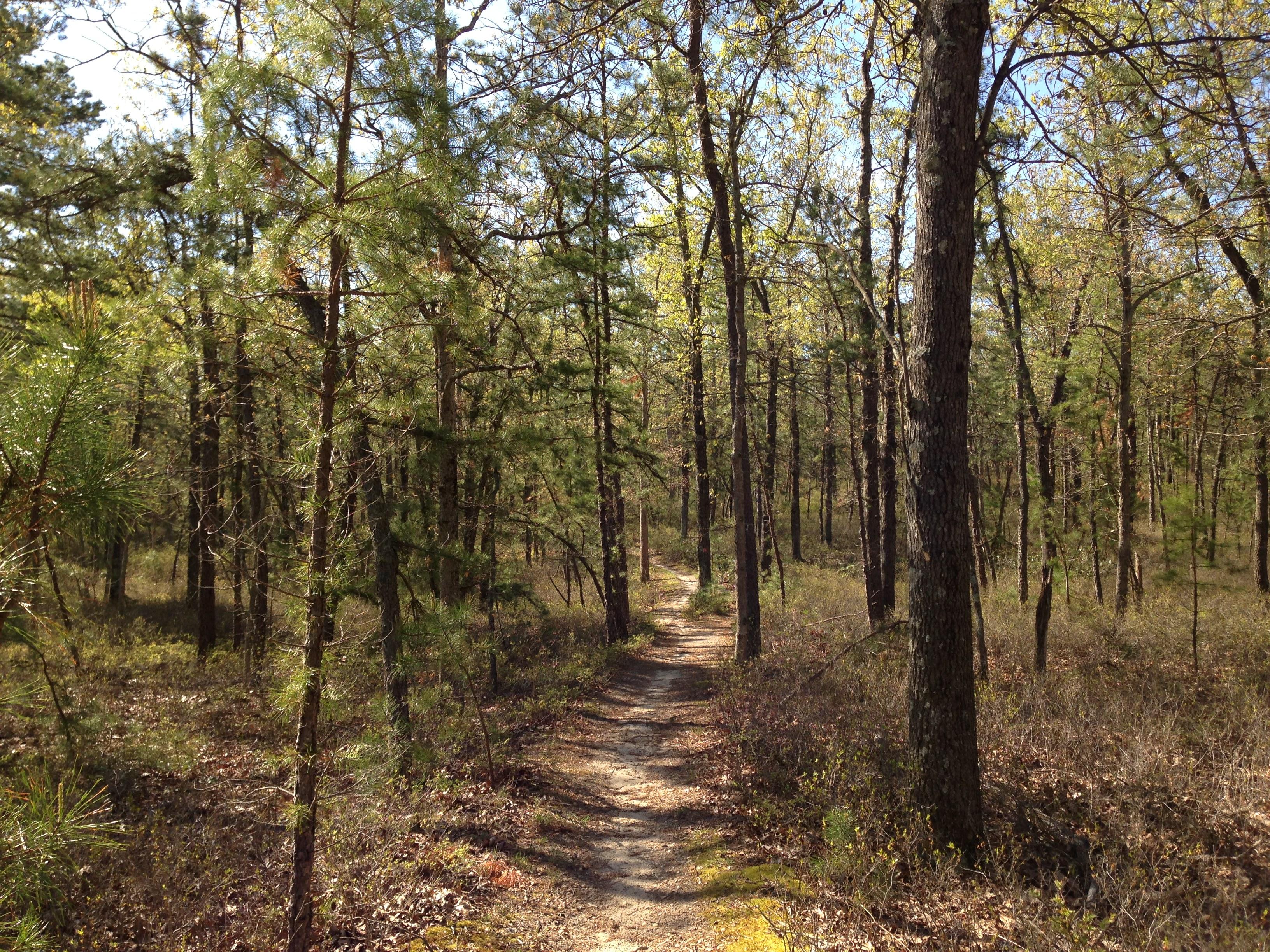
The Pinelands is less a destination than a living landscape, a million-acre mosaic of pine forest, wetlands, farms, and actual towns where people live and work.
It holds genuine ecological distinction as the country's first National Reserve and a UNESCO Biosphere Reserve, but it offers almost none of the curated park infrastructure visitors expect. If you arrive looking for a visitor center and a trail map, you will be confused. If you arrive curious about a quietly extraordinary place woven into New Jersey's fabric, something clicks.
Who it is for
Best for self-directed explorers, birders, and anyone fascinated by the tension between conservation and inhabited landscape. Travelers expecting classic park amenities, marked trails, or ranger programming will find very little here.
Highlights
- Over one million acres of pine barrens and wetlands, one of the largest open spaces on the Eastern Seaboard
- A genuinely rare designation as both the country's first National Reserve and a UNESCO Biosphere Reserve
- A patchwork of public forests and working private land across seven counties, free to access
Editor's tipBecause the Reserve spans public and private land with no central entrance, research specific state forest tracts like Wharton or Bass River before visiting so you know where you can legally roam. Spring and fall offer the most comfortable temperatures for outdoor exploration.