parkverdict
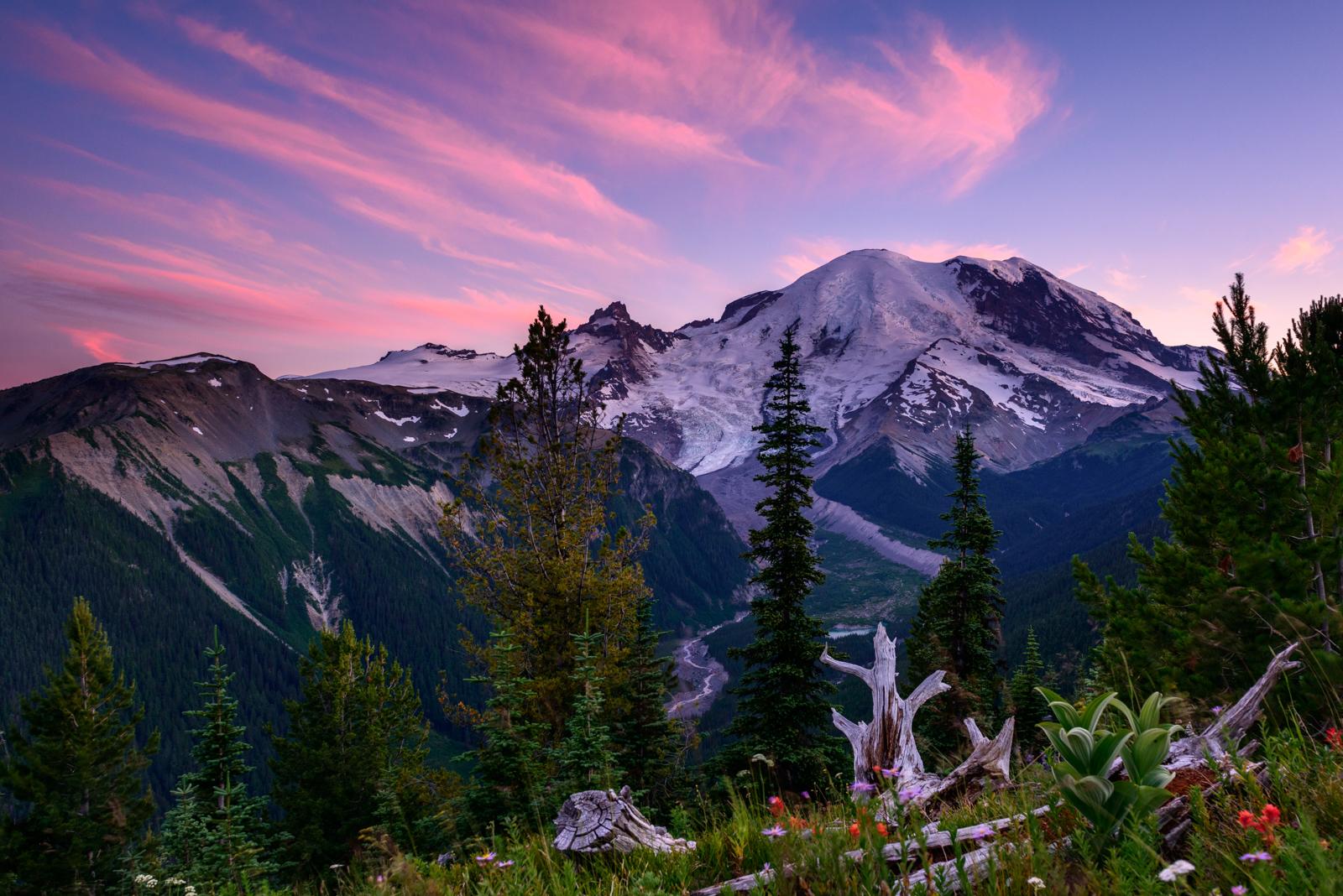
A purple and pink streaked sky over a mountain peak and forested valley.Climber on glacier steps downward with icy crags in background.Towering cedars and douglas-firs reach skyward while a beam of sun breaks through the canopy.A hoary marmot with white frosted fur rests on a rock beside white flowers in a meadow.
National ParkWA

Mount Rainier National Park

NPS / JD Hascup Photo
90/ 100ESSENTIAL
parkverdict Experience ScoreIndependent, not sponsored

90 of 100. Our independent metric for how much a unit documents and how easy it is to access, computed the same way for every park so the ranking is reproducible.

Produced by a transparent formula from public NPS data, not a guess. How we score

Our Verdict

Is Mount Rainier National Park worth it?

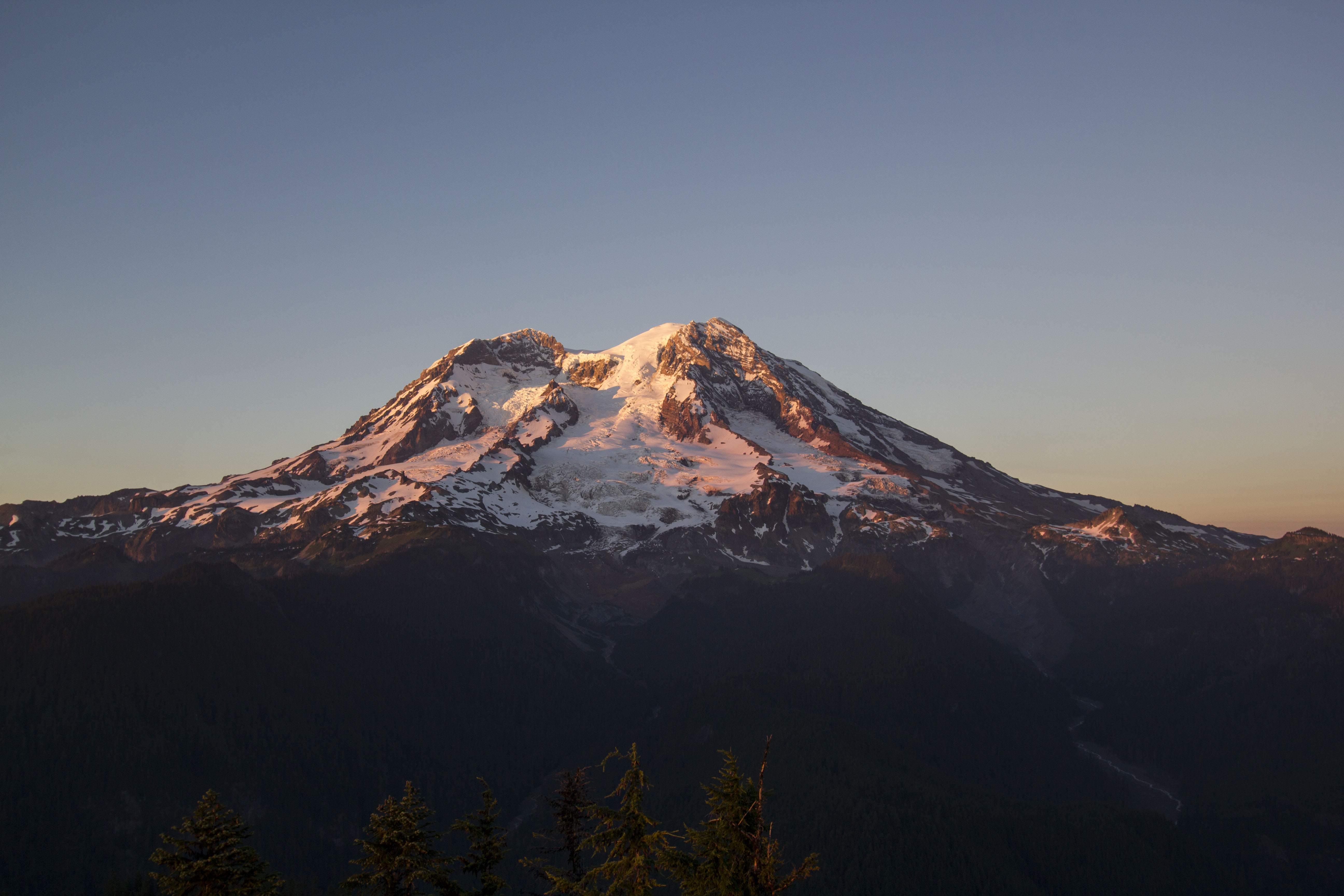
Mount Rainier is the rare park that rewards visitors at almost every level of ambition.

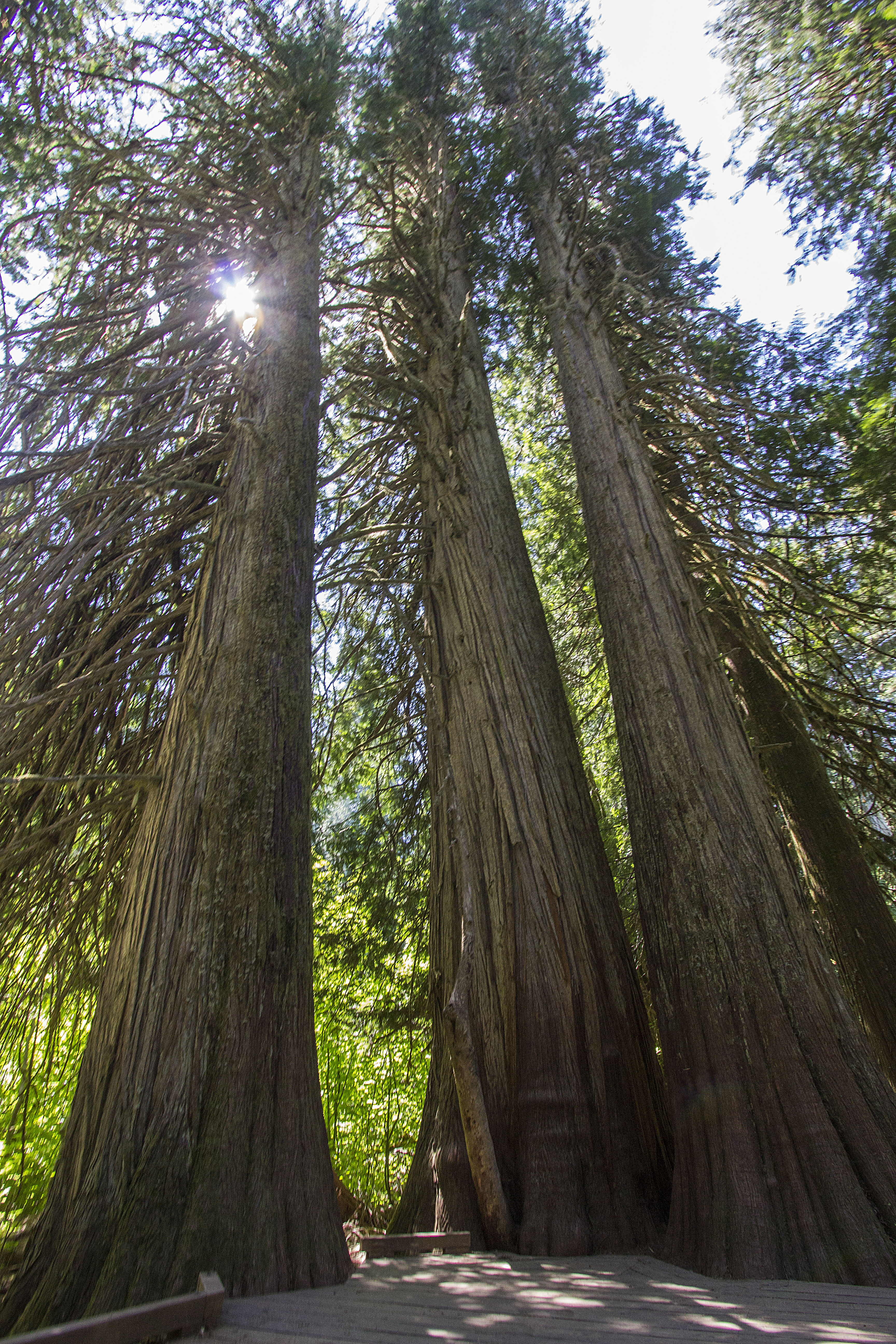
A 14,410-foot active volcano draped in more glacial ice than any other peak in the lower 48 is the centerpiece, but the surrounding subalpine meadows, old-growth forest, and five glacier-fed rivers mean the scenery holds up even if you never leave the pavement. Summer wildflower season is genuinely spectacular. Winter brings a completely different park, with snowshoeing and snow play at Paradise. At $15 entry, the value is hard to argue with.

Who it is for

Hikers of all levels, mountaineers eyeing a serious glaciated summit, families with kids, and winter-sport enthusiasts all have real reasons to come. Travelers who want desert heat, flat terrain, or guaranteed sunshine should look elsewhere.

Highlights

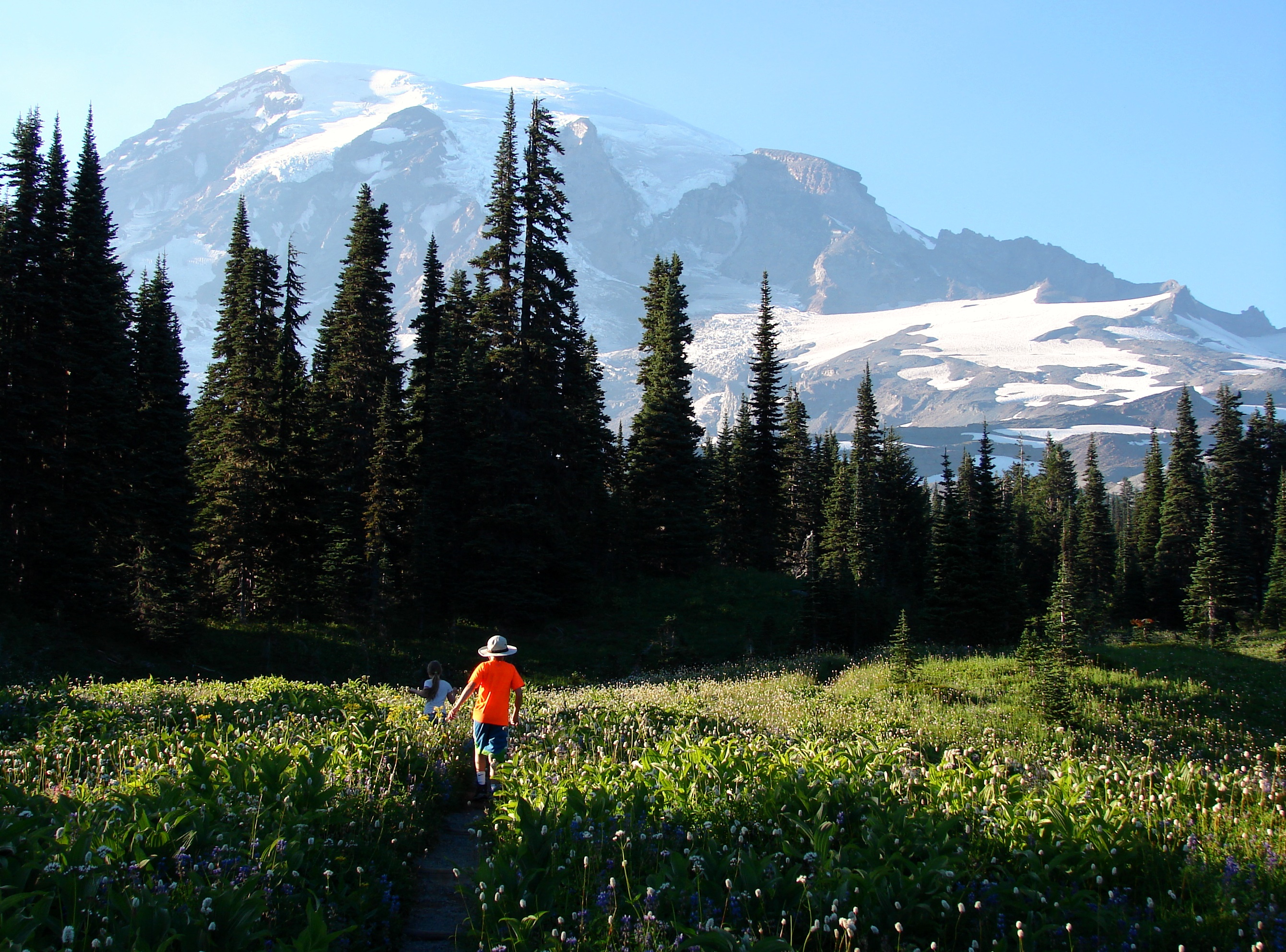
  • Subalpine wildflower meadows peaking in late July and August, best reached by front-country hiking trails near Paradise and Sunrise
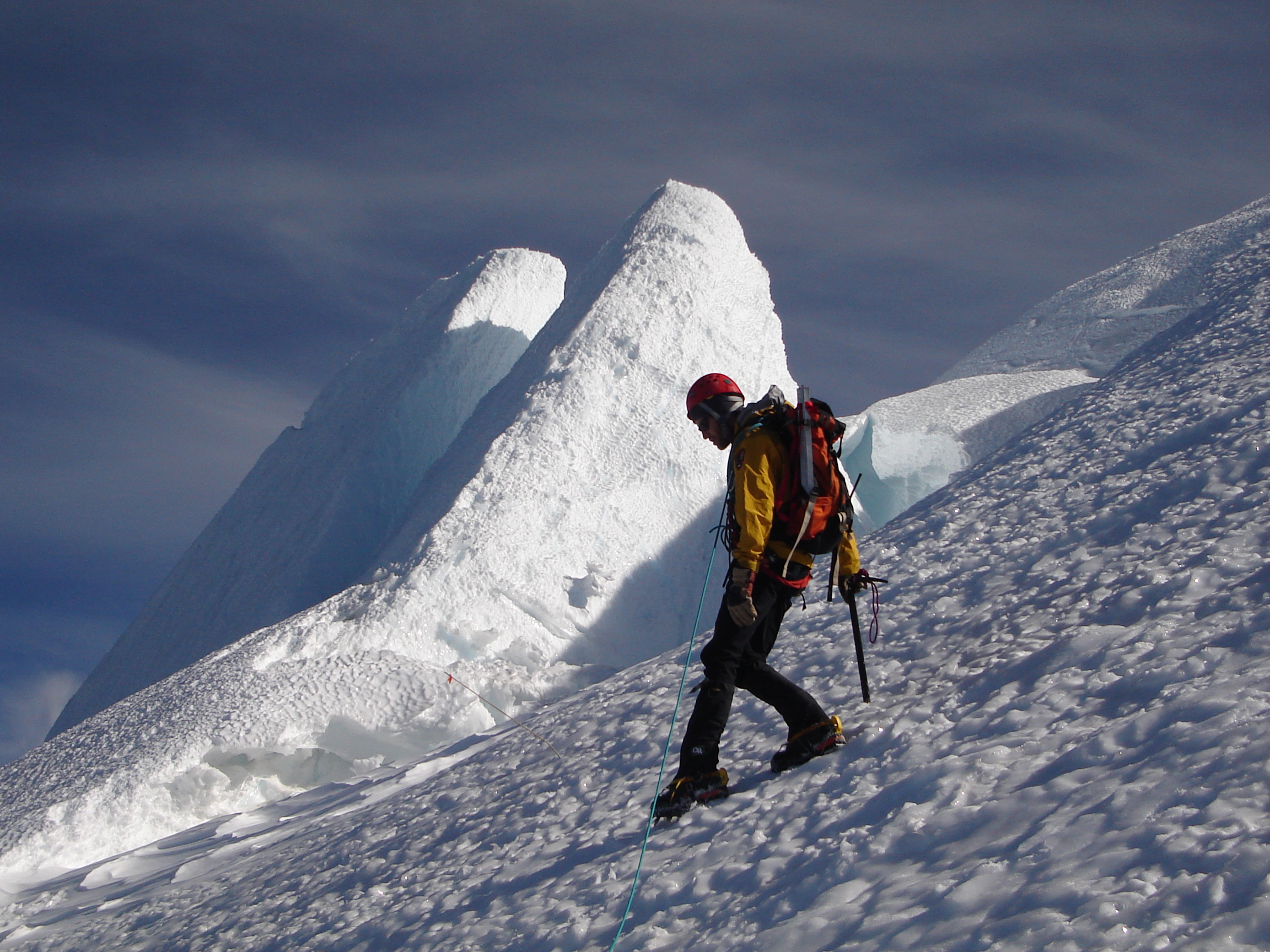
  • Technical mountain climbing on a heavily glaciated active volcano, one of the most demanding summit routes in the contiguous US
  • Winter snowshoeing and snow play at Paradise, one of the snowiest places in the world with reliable deep snowpack
  • Scenic driving circuits connecting old-growth forest, glacier viewpoints, and riverside picnic areas, all accessible on a single loop road

Editor's tipArrive at Paradise before 9 a.m. on summer weekends because the parking lot fills completely by mid-morning and rangers turn cars away. If you are planning a summit climb, book your permit and guiding service months in advance since spots fill fast for the July and August window.
What you can do

Activities

Auto and ATVScenic DrivingAstronomyStargazingBikingCampingBackcountry CampingCar or Front Country CampingGroup CampingClimbingMountain ClimbingFishingFreshwater FishingFoodDiningPicnickingGuided ToursSelf-Guided Tours - Walking
Overview

About Mount Rainier National Park

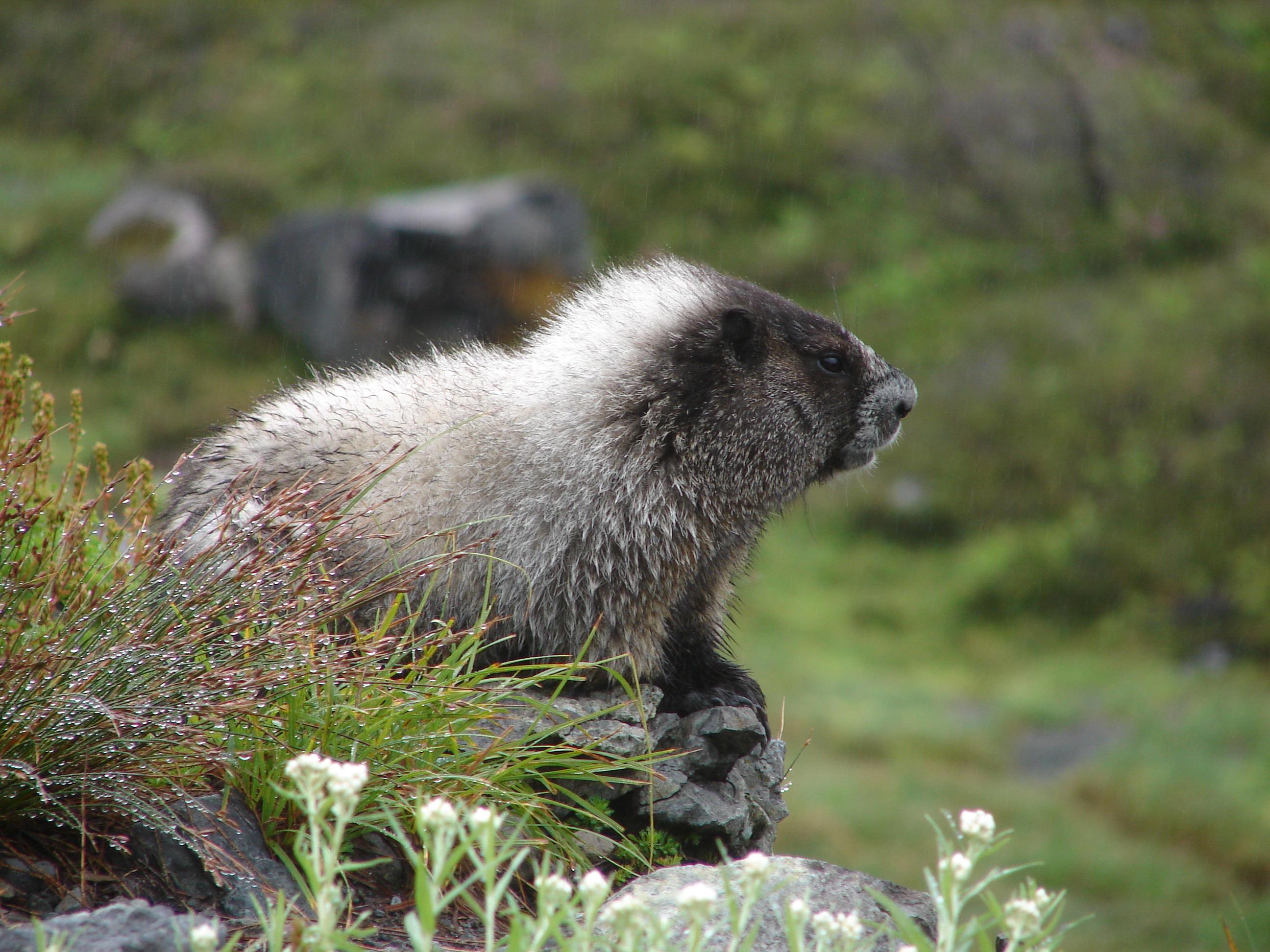
Ascending to 14,410 feet above sea level, Mount Rainier stands as an icon in the Washington landscape. An active volcano, Mount Rainier is the most glaciated peak in the contiguous U.S.A., spawning five major rivers. Subalpine wildflower meadows ring the icy volcano while ancient forest cloaks Mount Rainier’s lower slopes. Wildlife abounds in the park’s ecosystems. A lifetime of discovery awaits.

When to go

Weather patterns at Mount Rainier are strongly influenced by the Pacific Ocean and elevation. The climate is generally cool and rainy, with summer highs in the 60s and 70s. While July and August are the sunniest months of the year, rain is very likely in spring, fall, and winter. Visitors should be aware that mountain weather is very changeable. In the higher elevations, like Paradise, winter can