parkverdict
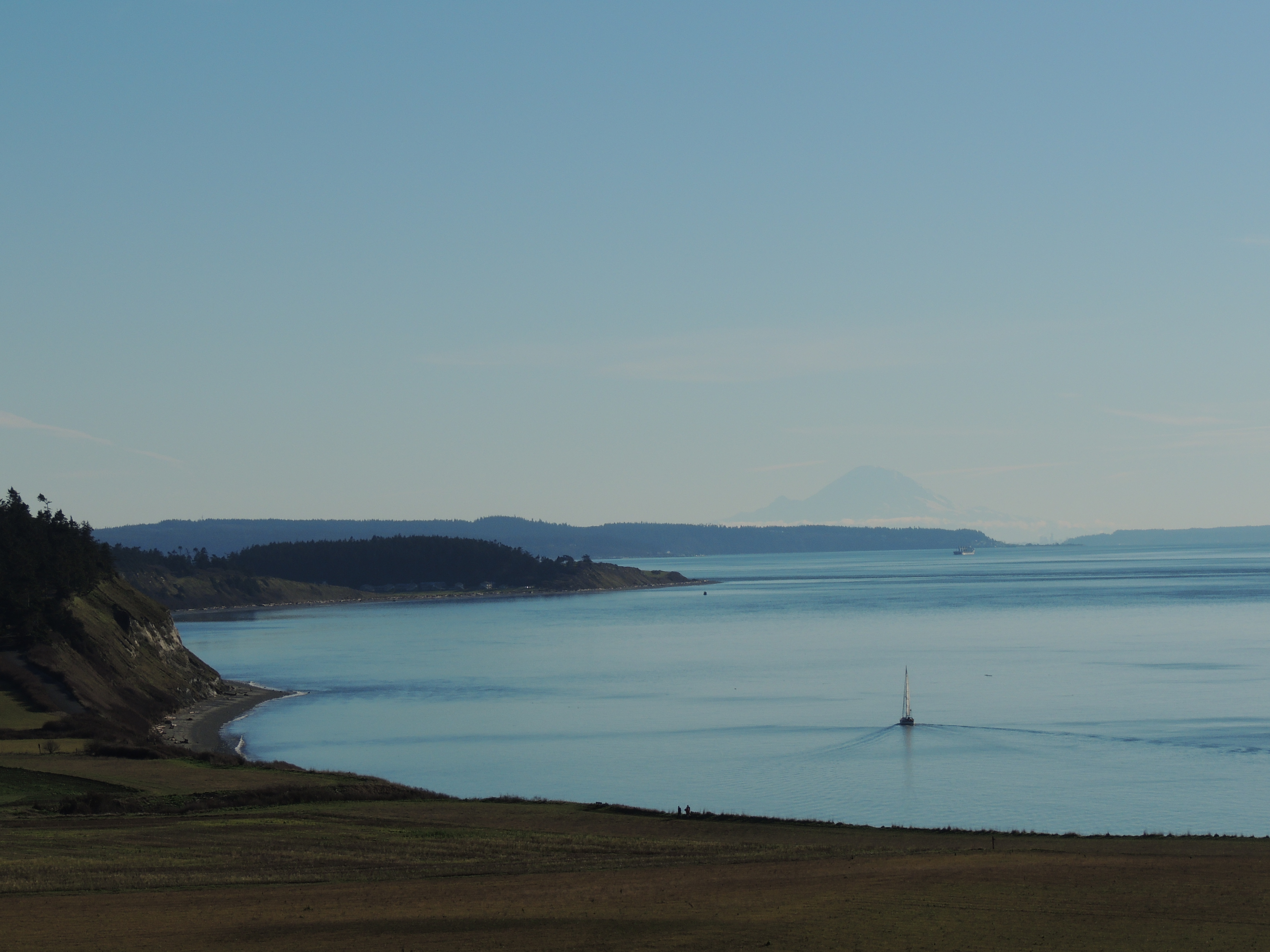
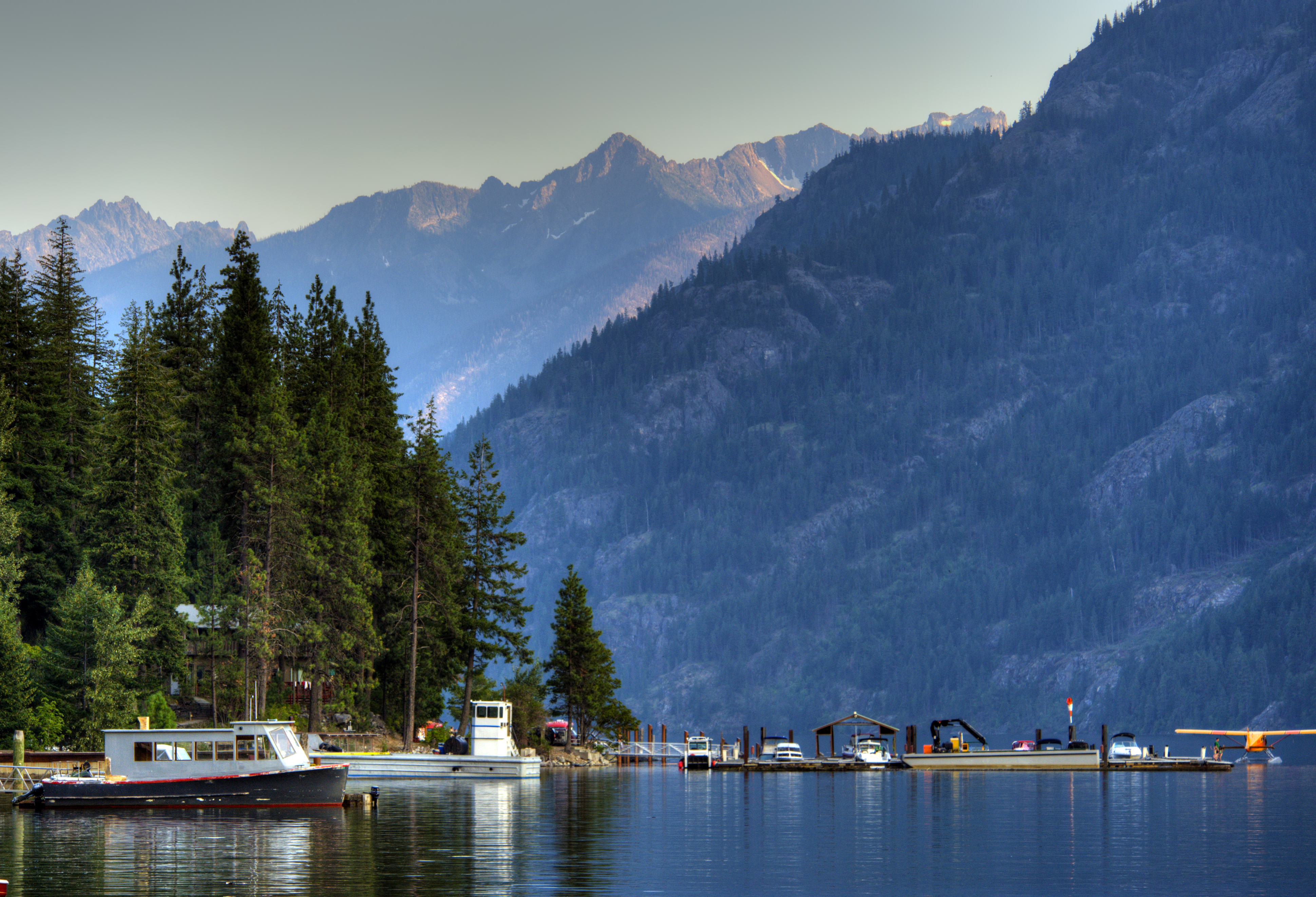
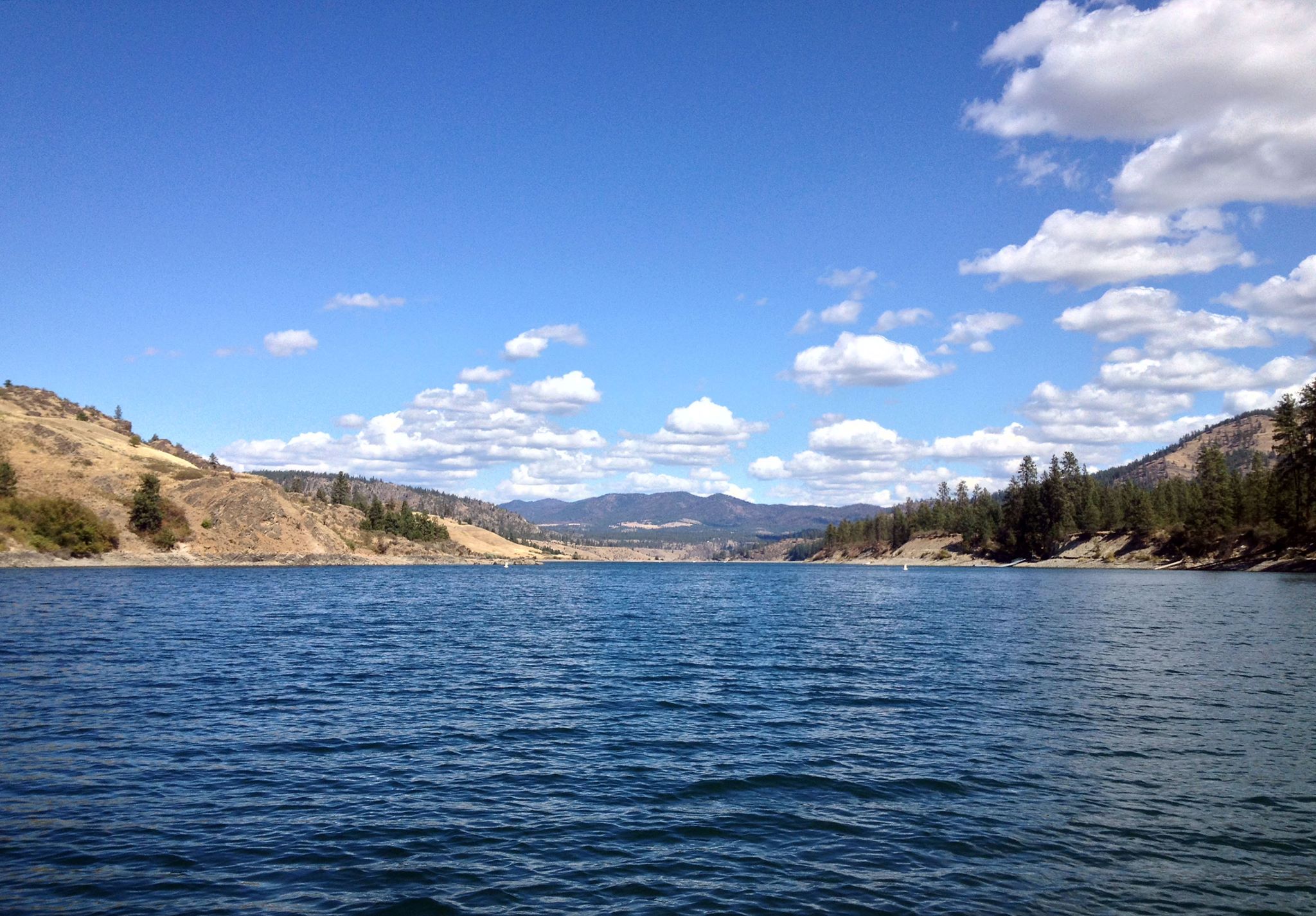
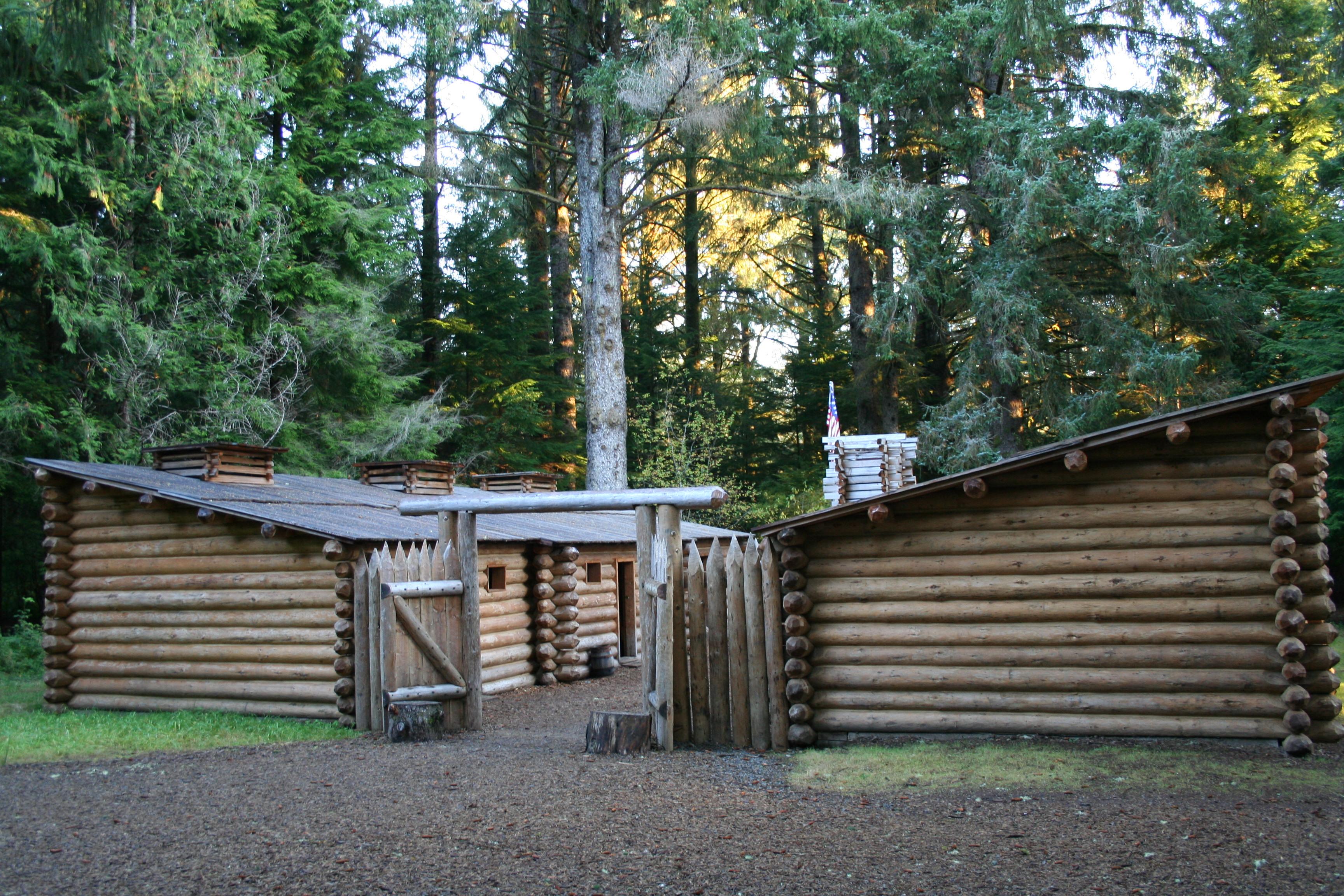
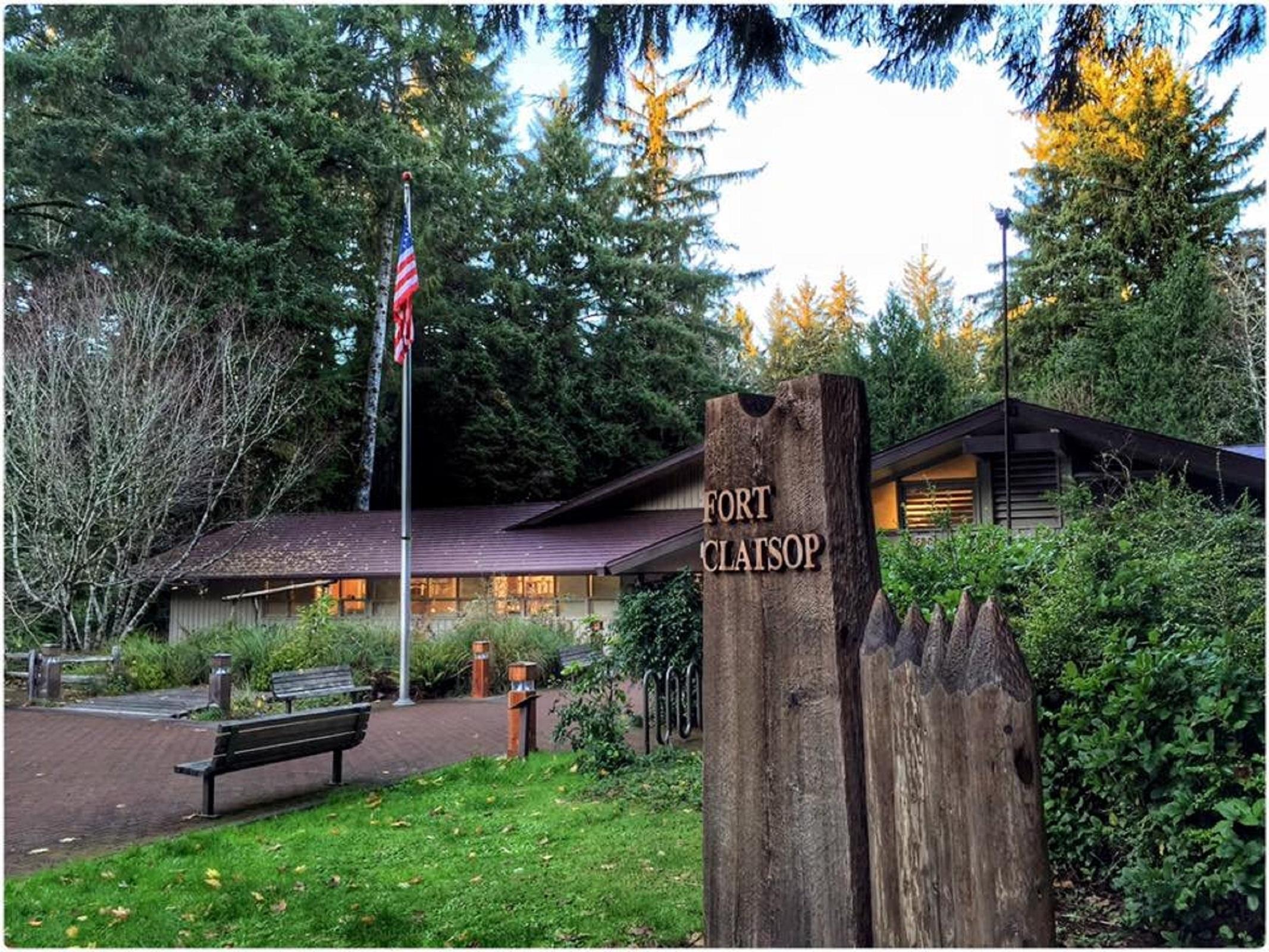
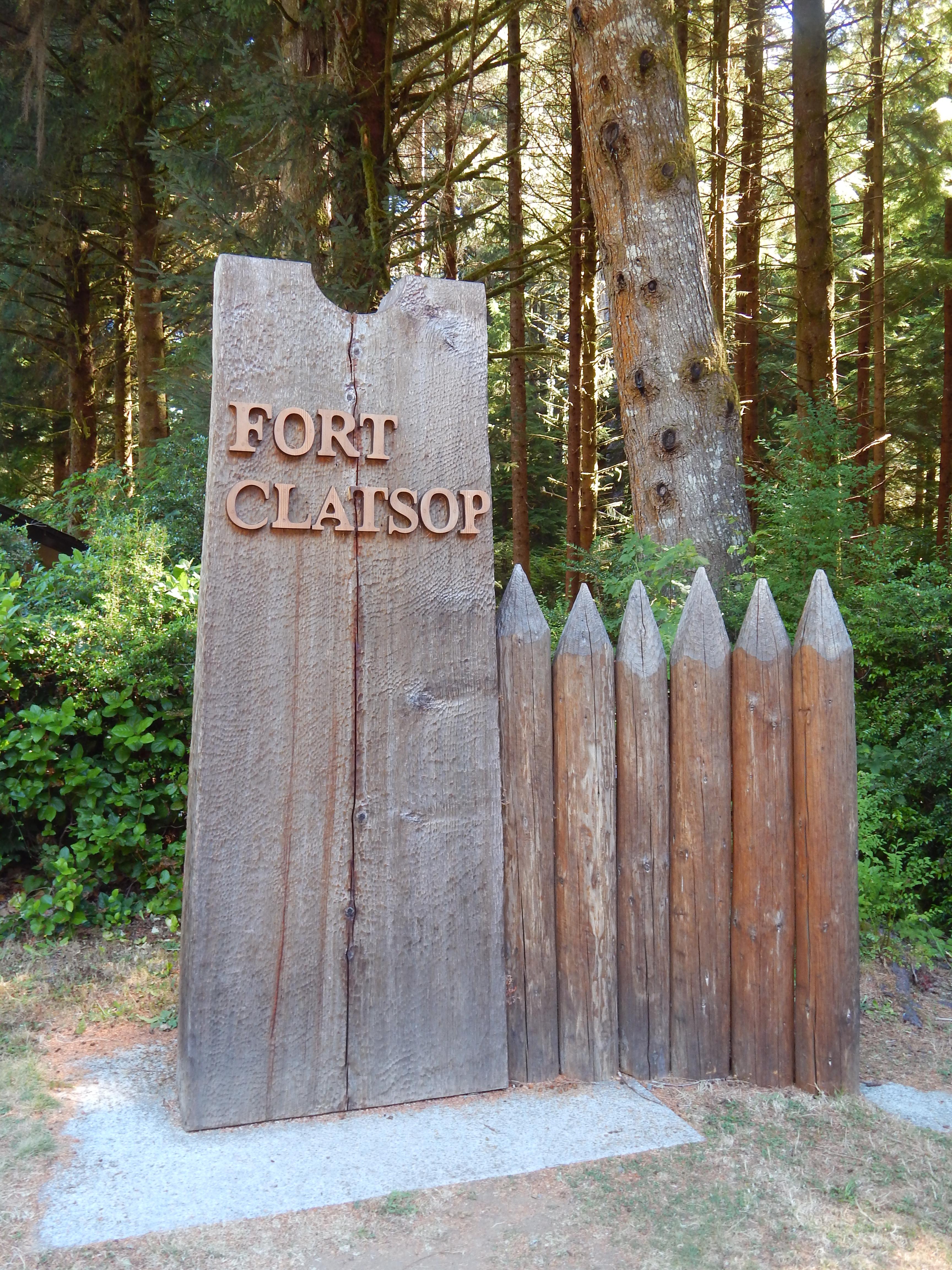
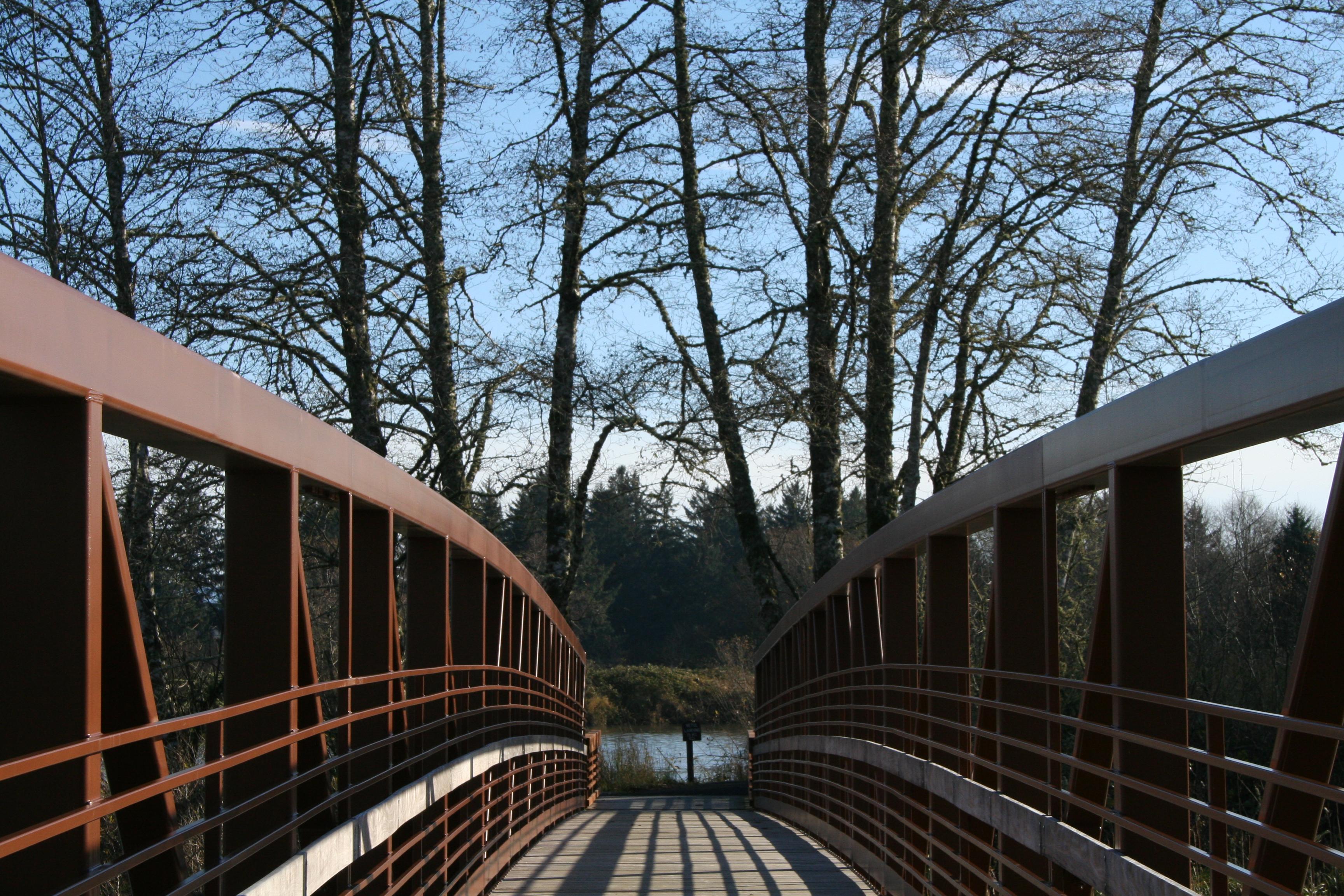
A fifty foot square wooden fort surrounded by tall trees in a forest.A wooden rectangular sign reading Fort Clatsop eclipsing a wide one story building and flag poleA wooden sign standing as a tall rectangle, the words Fort Clatsop carved of wood placed on it.Looking directly down a short railed bridge towards a calm river surrounded by leafless trees.
National Historical ParkOR / WA

Lewis and Clark National Historical Park

NPS / NPS Photo
78/ 100EXCELLENT
parkverdict Experience ScoreIndependent, not sponsored

78 of 100. Our independent metric for how much a unit documents and how easy it is to access, computed the same way for every park so the ranking is reproducible.

Produced by a transparent formula from public NPS data, not a guess. How we score

Our Verdict

Is Lewis and Clark National Historical Park worth it?

This is one of the more immersive historical parks in the country, and it earns that status by pairing serious museum content with genuine outdoor activity on the Oregon and Washington coast.

You are not just reading plaques about Lewis and Clark, you are paddling the same tidal waters, watching the same birdlife, and standing in fog so thick you can almost feel what that winter of 1805 to 1806 cost the Corps of Discovery. At $10 entry, the combination of living history, coastal hiking, and wildlife watching makes it a strong value for the right visitor.

Who it is for

History-minded travelers, families with kids who respond to living history and junior ranger programs, and paddlers or birders who want context layered onto their outdoor time. Visitors expecting dramatic western scenery without rain or fog may find the relentless Pacific weather a mood, not a backdrop.

Highlights

  • Living history demonstrations including historic weapons, giving a tactile sense of expedition life beyond any exhibit case
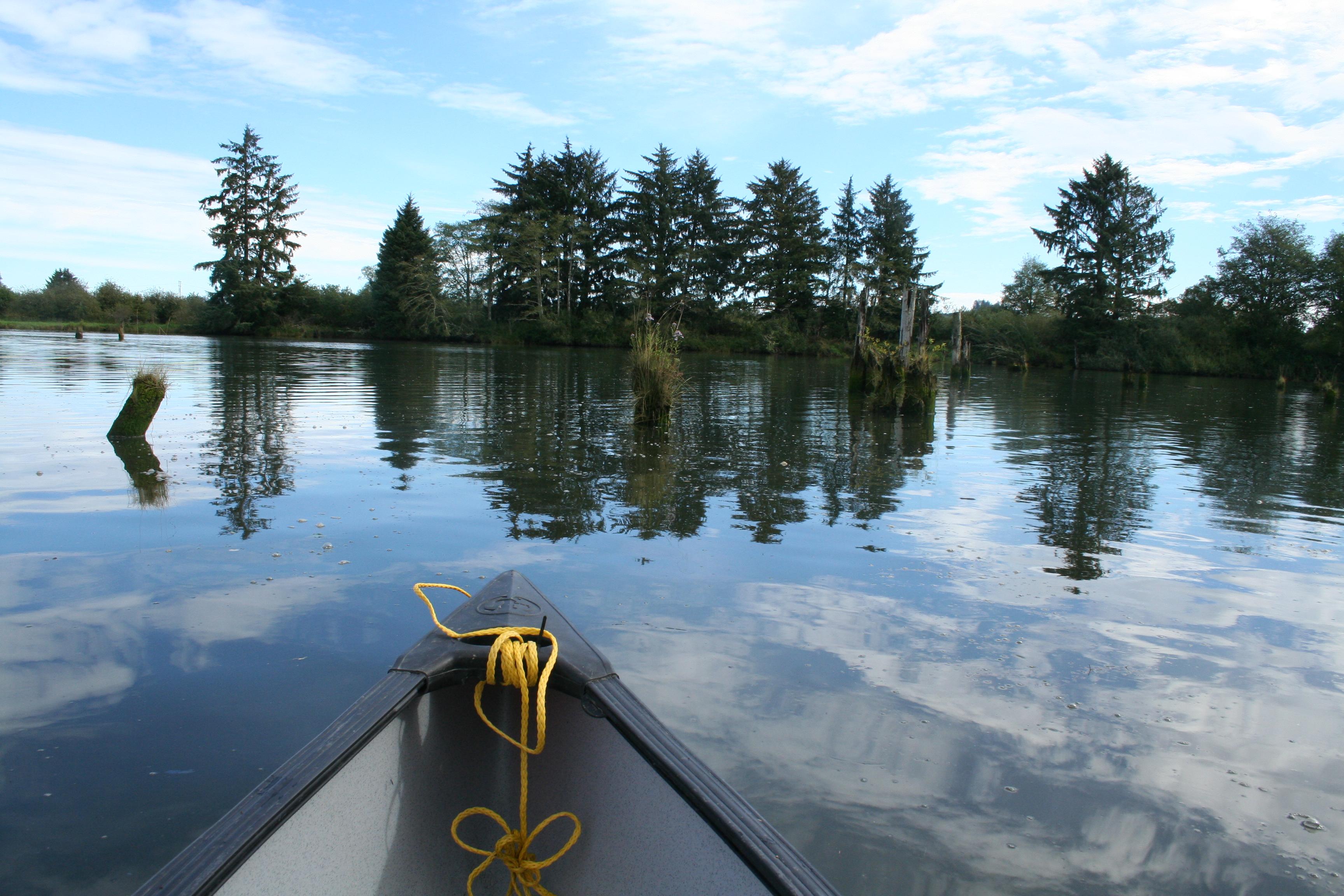
  • Paddling and kayaking on Columbia River and coastal waters that the Corps of Discovery actually navigated
  • Birdwatching in one of the foggiest, wettest ecosystems in the Lower 48, a genuinely distinctive birding environment
  • Museum exhibits and a park film that ground the outdoor experience in the perspectives of both the expedition and the region's Native peoples

Editor's tipCome in summer if you want the best chance of clear skies and temperatures in the 60s, but pack layers regardless since fog rolls in fast even in July. Winter hours begin the day after Labor Day with a 9 a.m. to 5 p.m. window, so plan accordingly if visiting in the off-season.
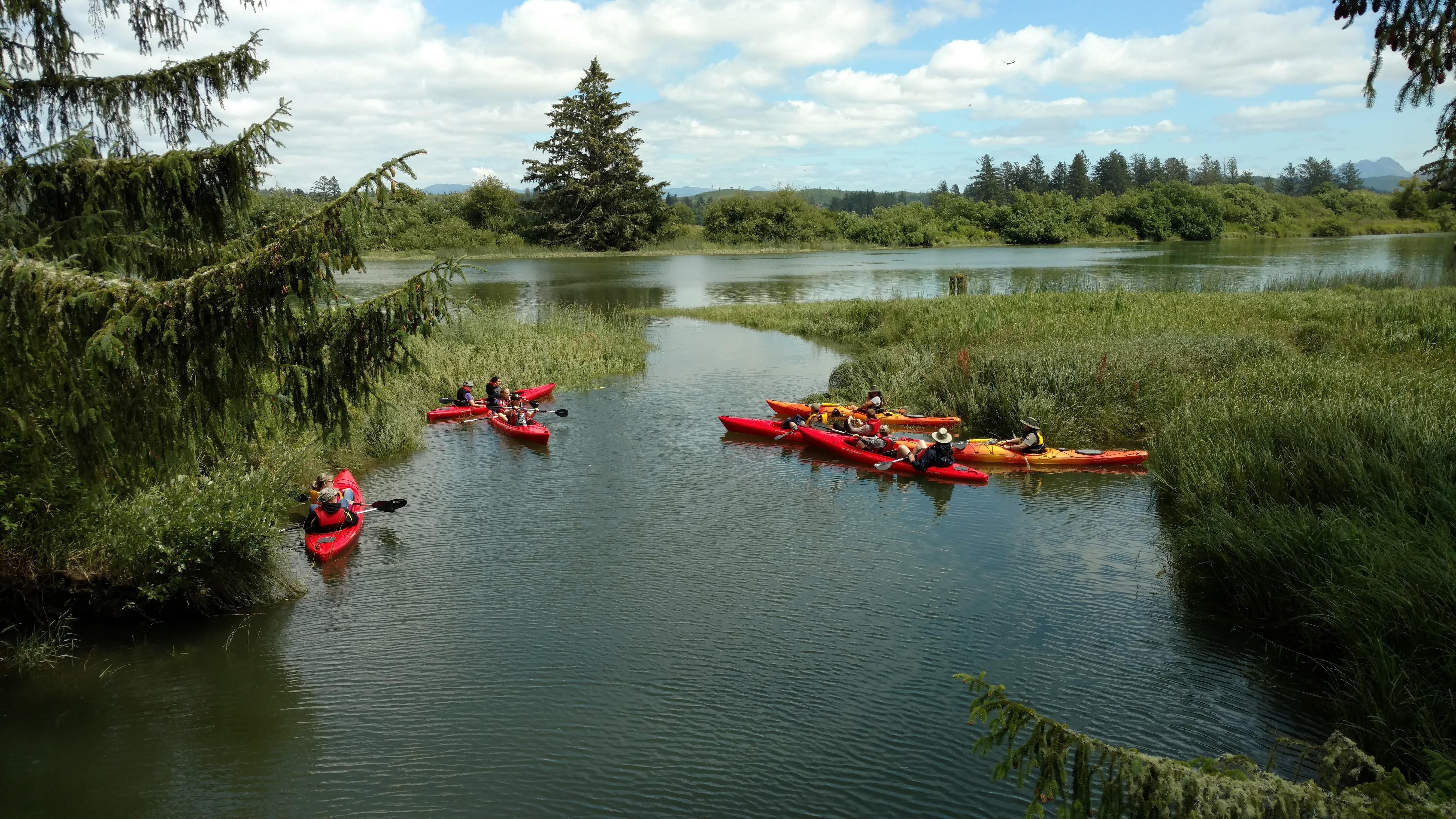
What you can do

Activities

FishingFoodPicnickingGuided ToursSelf-Guided Tours - WalkingHikingFront-Country HikingHunting and GatheringGathering and ForagingLiving HistoryHistoric Weapons DemonstrationPaddlingKayakingJunior Ranger ProgramWildlife WatchingBirdwatchingPark FilmMuseum Exhibits
Overview

About Lewis and Clark National Historical Park

Explore the timeless rainforests and majestic coastal vistas. Discover the rich heritage of the native people. Unfold the dramatic stories of America's most famous explorers. The park encompasses sites along the Columbia River and the Pacific Coast. Follow in the footsteps of the explorers and have an adventure in history.

When to go

We see an average of 70 inches of rain a year and we are the foggiest location in the Lower 48 states. Summer months are usually nice with days ranging from 55-70 degrees. Winters are wet and mild, usually 40-55 degrees. During the 106 days the Lewis and Clark Expedition wintered at Fort Clatsop in 1806 it rained all but 12 days and they saw the sun 6 times. While we are usually not so dreary make