parkverdict
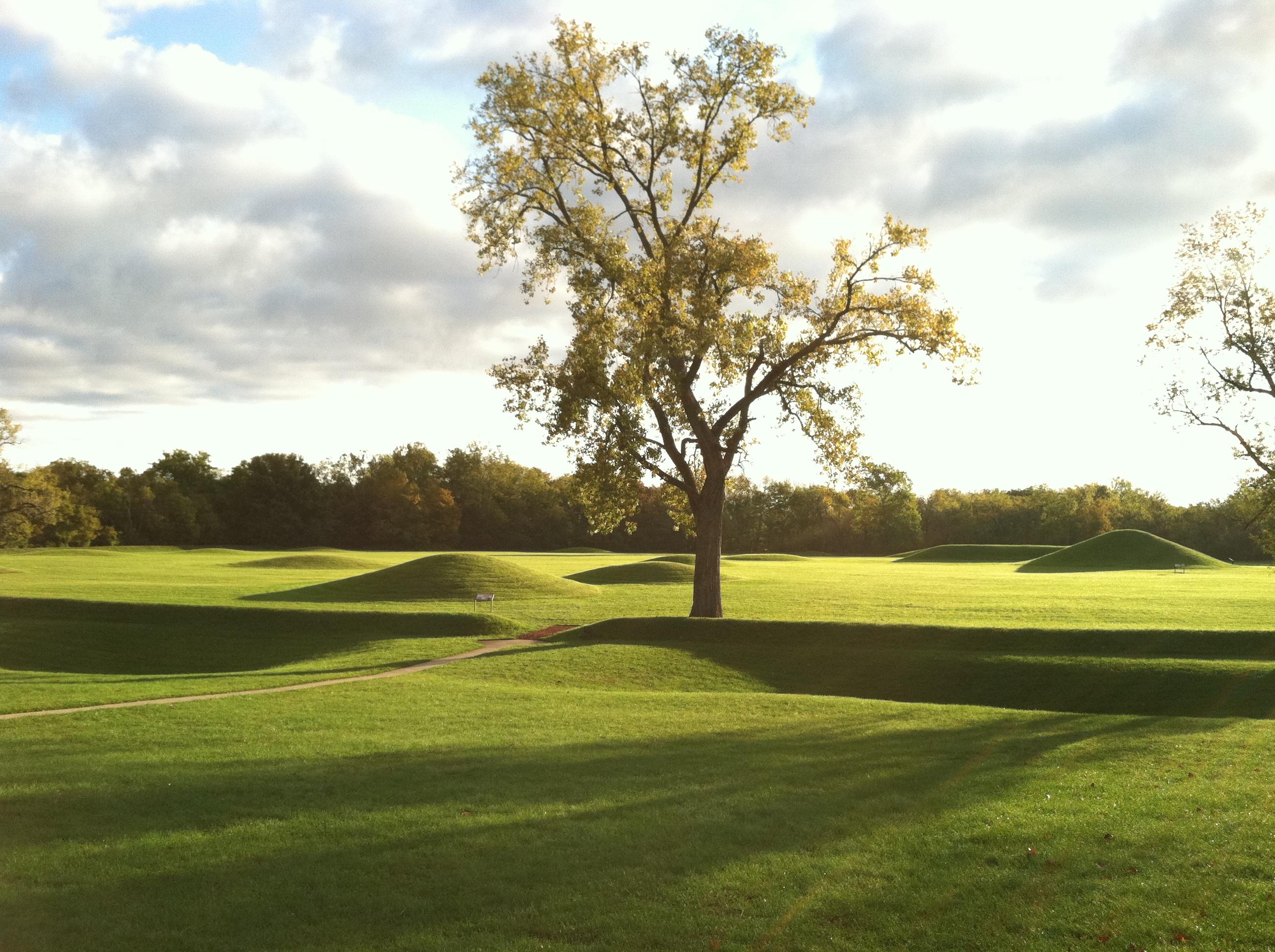
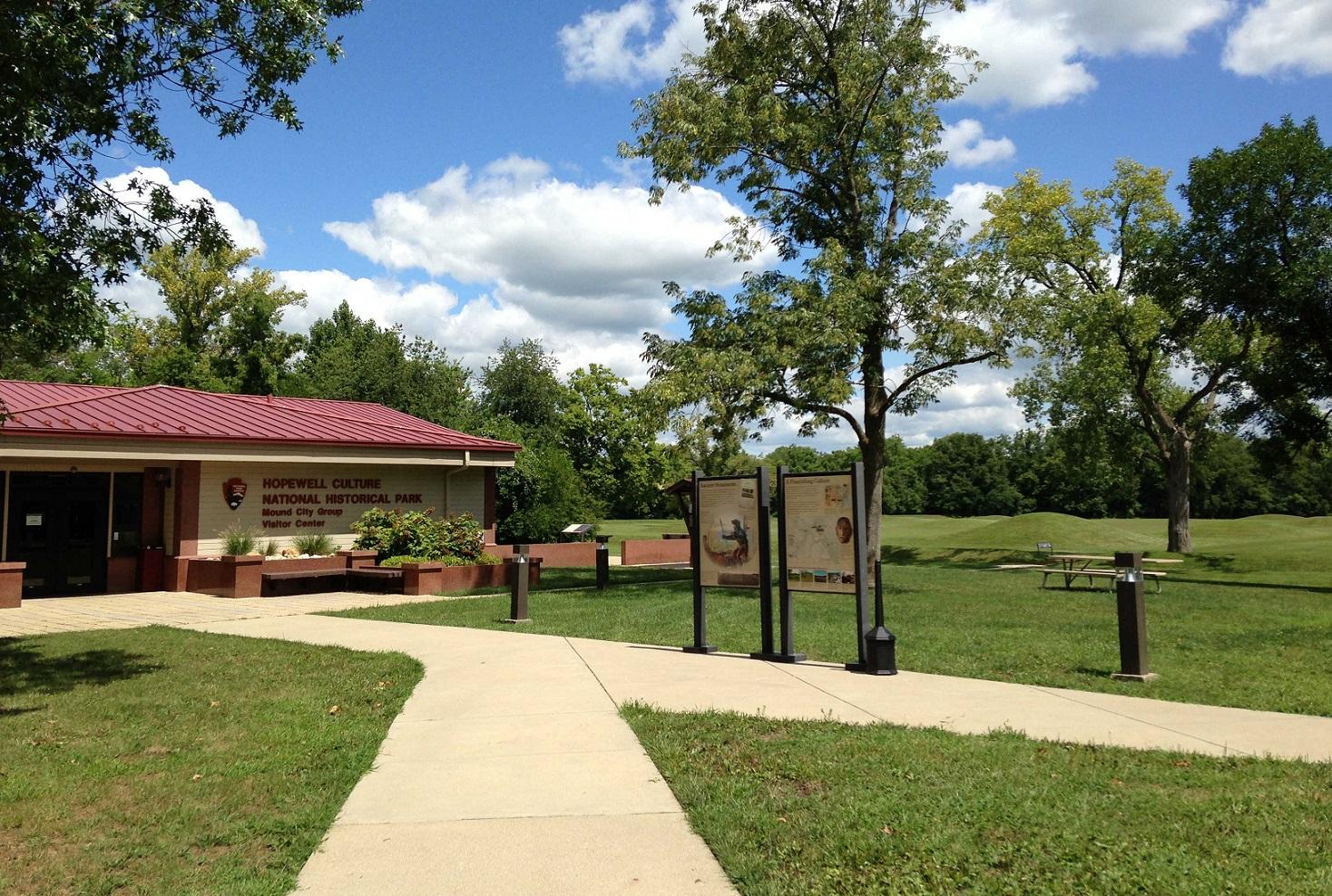
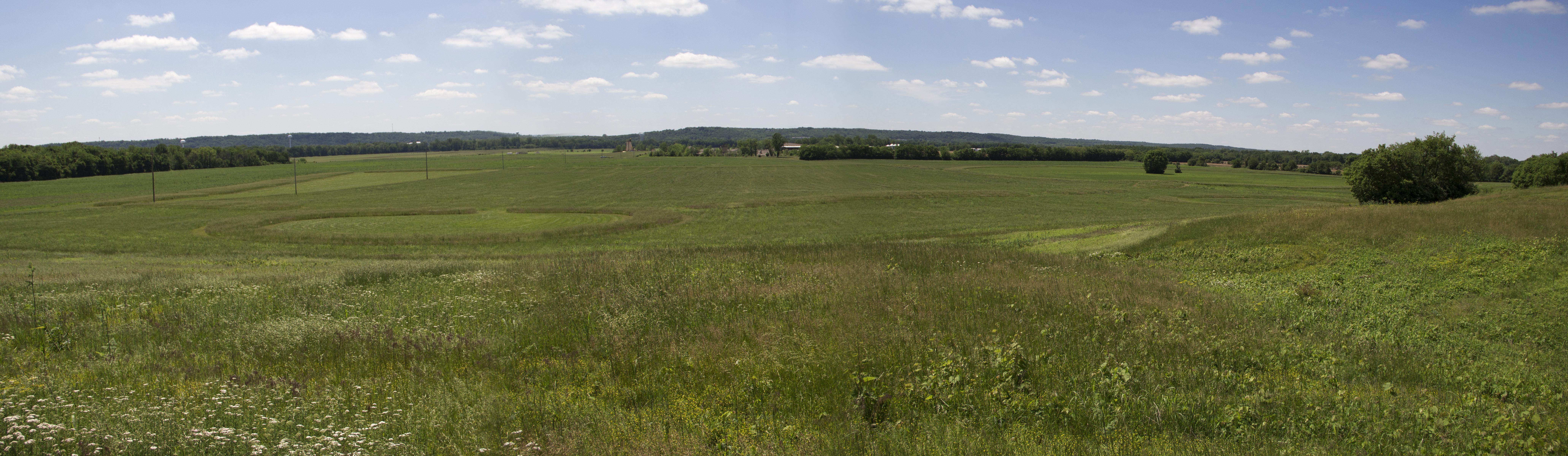
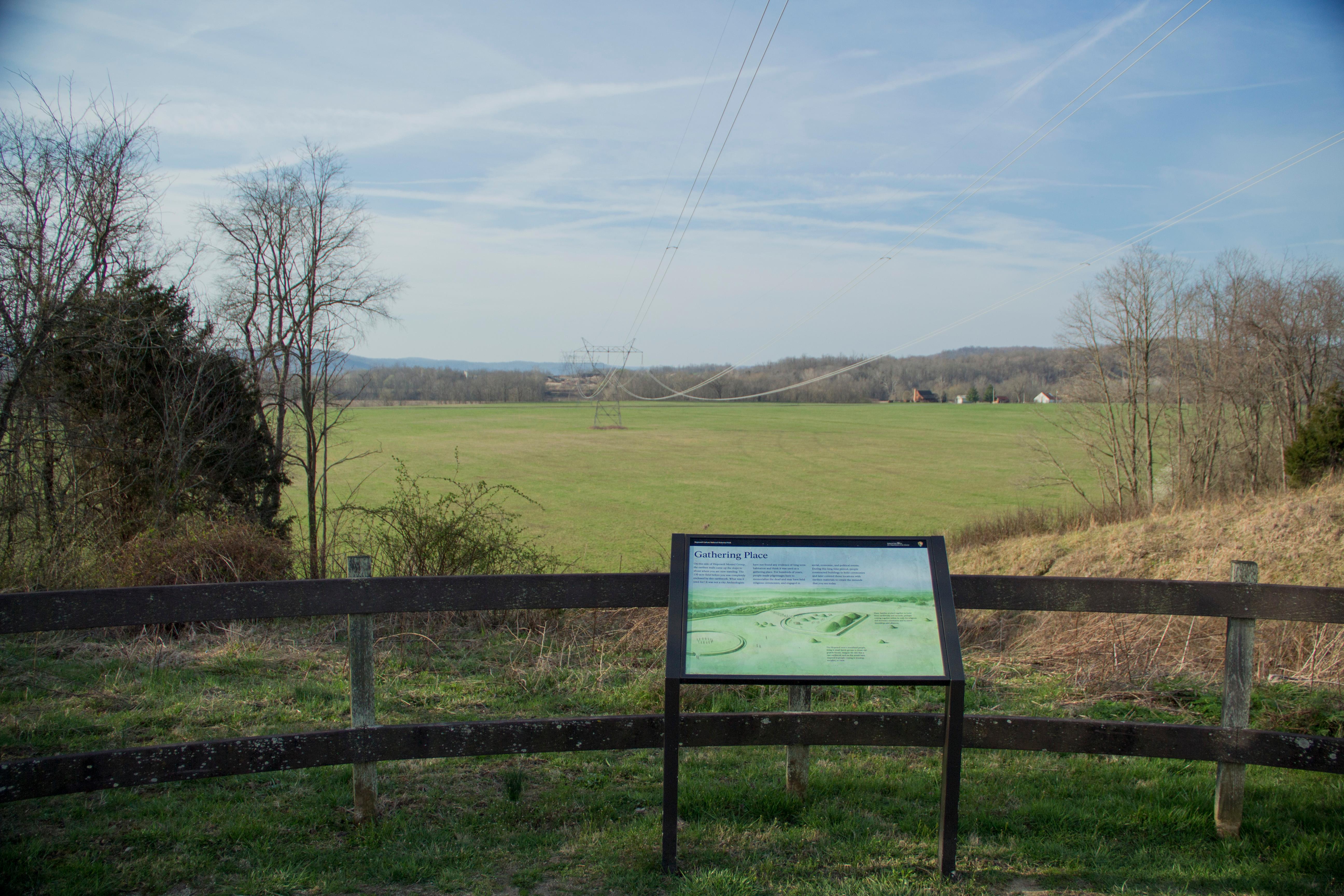
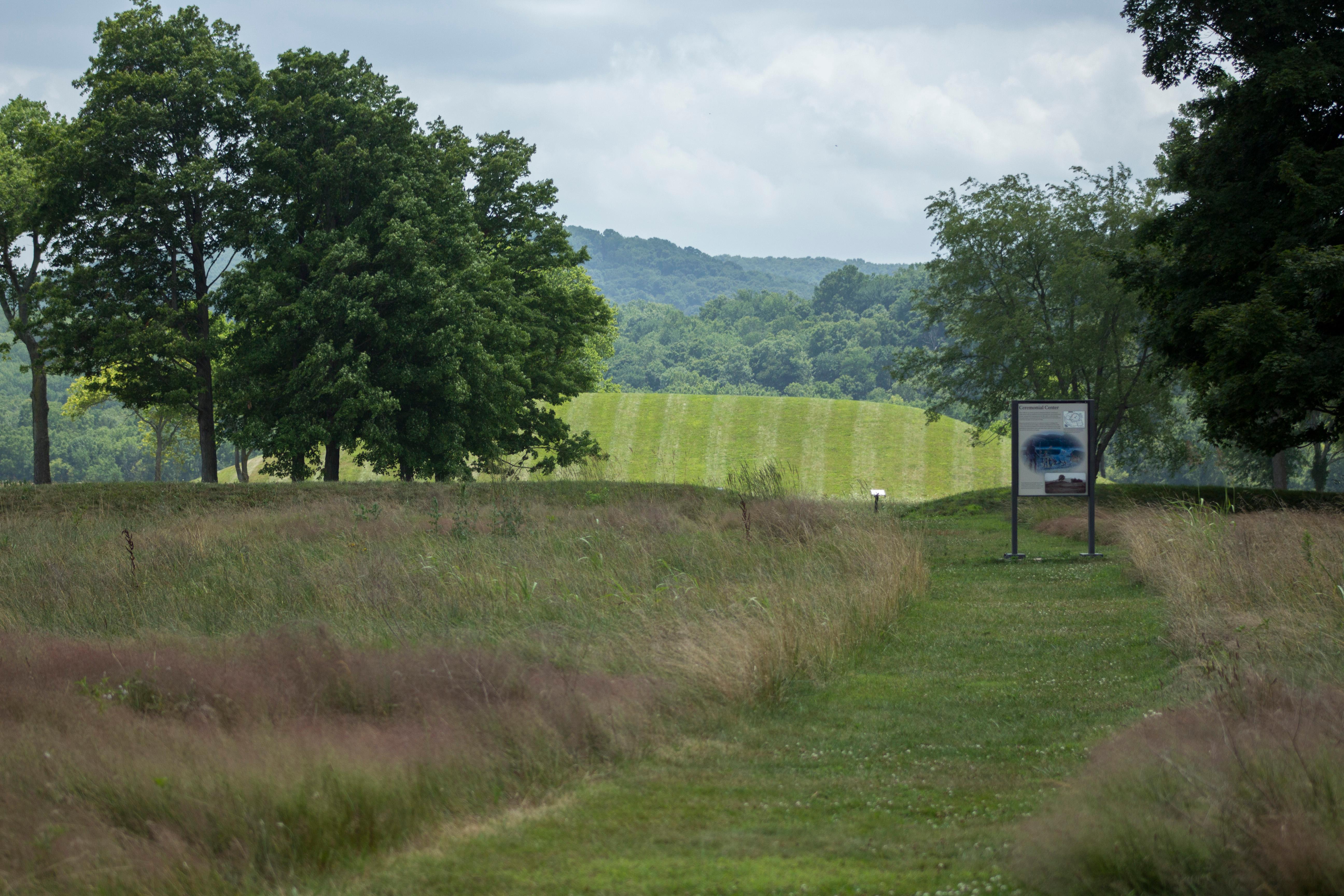
An early morning sun casting long shadows over grass-covered mounds.A tan building with a red-peaked roof surrounded by green grass and tan sidewalksA green, grassy field with taller areas of uncut grass in geometric shapes under a partly cloudy skyAn overlook area showing a green grassy field with a panel showing artwork and text
National Historical ParkOH

Hopewell Culture National Historical Park

NPS / NPS / Tom Engberg
58/ 100WORTH IT
parkverdict Experience ScoreIndependent, not sponsored

58 of 100. Our independent metric for how much a unit documents and how easy it is to access, computed the same way for every park so the ranking is reproducible.

Produced by a transparent formula from public NPS data, not a guess. How we score

Our Verdict

Is Hopewell Culture National Historical Park worth it?

Hopewell Culture is one of the most underappreciated archaeological sites in America, preserving massive geometric earthworks built by Indigenous people nearly 2,000 years ago.

Free admission removes any barrier to entry, and the museum puts real context behind what you are looking at. But this is primarily a walking and contemplation park. Visitors expecting dramatic landscapes or dense programming will find it quiet and understated. Come ready to engage with the history, and the scale of what these ancient builders accomplished will genuinely surprise you.

Who it is for

History-minded adults, archaeology enthusiasts, and families using the Junior Ranger program to spark curiosity about Indigenous cultures. Cyclists can connect the multiple earthwork sites by road. Visitors seeking scenic trails, wildlife, or outdoor adventure will likely feel underserved.

Highlights

  • Walking among the Mound City Group earthworks, where the sheer geometric precision at this scale still impresses
  • Museum exhibits that explain the continental reach of the Hopewell ceremonial tradition
  • Road biking between the four separate earthwork sites as a self-guided tour
  • Junior Ranger activities that make the 2,000-year-old context accessible for kids

Editor's tipPlan to visit more than one of the four earthwork locations, as Mound City Group alone tells only part of the story. The park grounds are open every day during daylight hours, so an early morning walk before the heat of an Ohio summer day is a smart move.
What you can do

Activities

Arts and CultureBikingRoad BikingFoodDiningGuided ToursSelf-Guided Tours - WalkingJunior Ranger ProgramMuseum ExhibitsShoppingBookstore and Park Store
Overview

About Hopewell Culture National Historical Park

Nearly 2000 years ago, Native Americans built dozens of monumental mounds and earthen enclosures in southern Ohio. These earthwork complexes were ceremonial landscapes used for feasts, funerals, rituals, and rites of passage associated with a Native American religious movement that swept over half the continent for almost 400 years. Come walk among the earthworks and experience the past.

When to go

The park lies in a humid continental zone with a generally temperate climate. Winters are mildly cold with average temperatures around 30 degrees (F). Summers are hot and humid with an average temperature around 75 degrees (F). Average annual total rainfall is just under 38". Snowfall in the winter is generally light with an average total snowfall of less than 24".