parkverdict
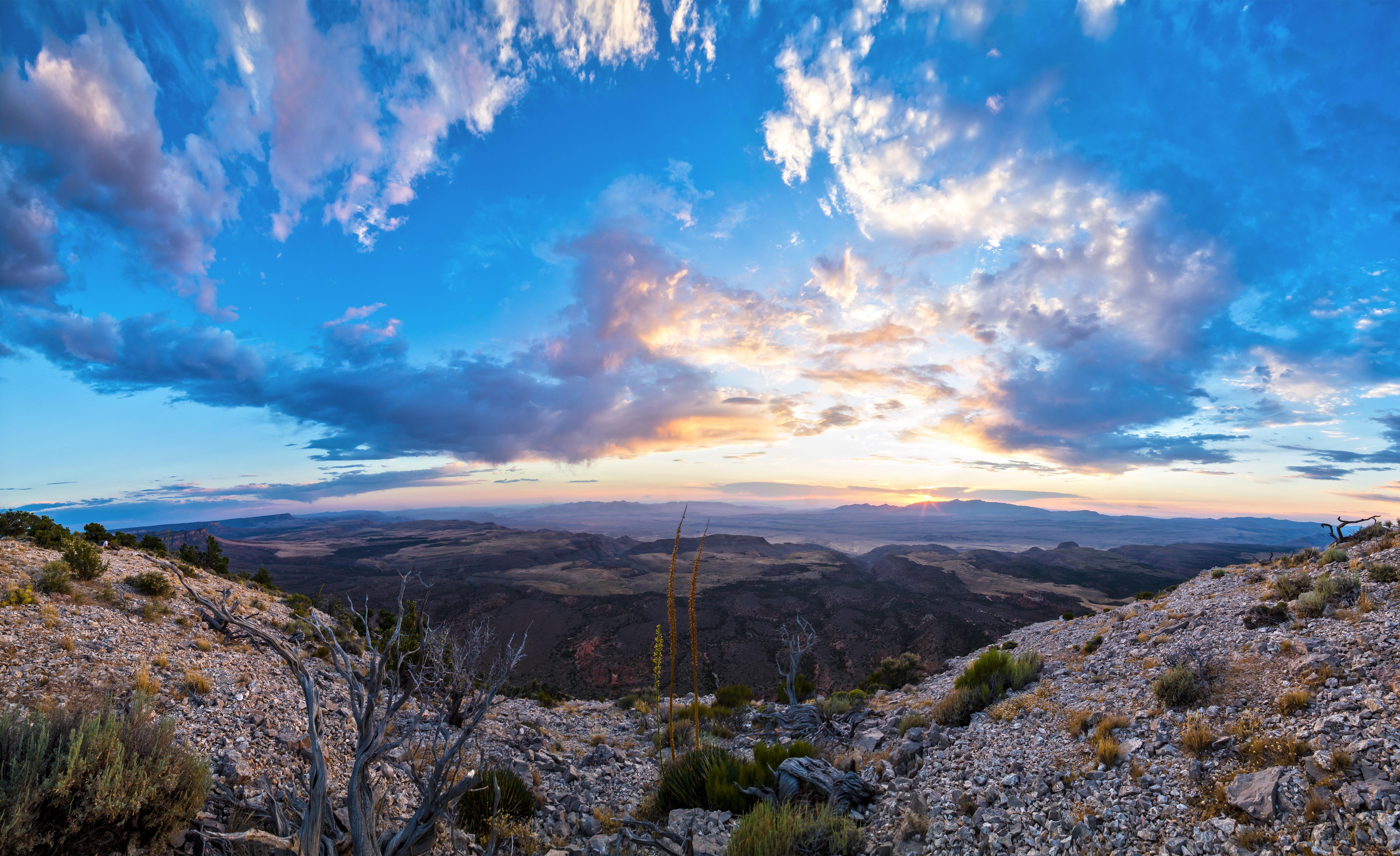
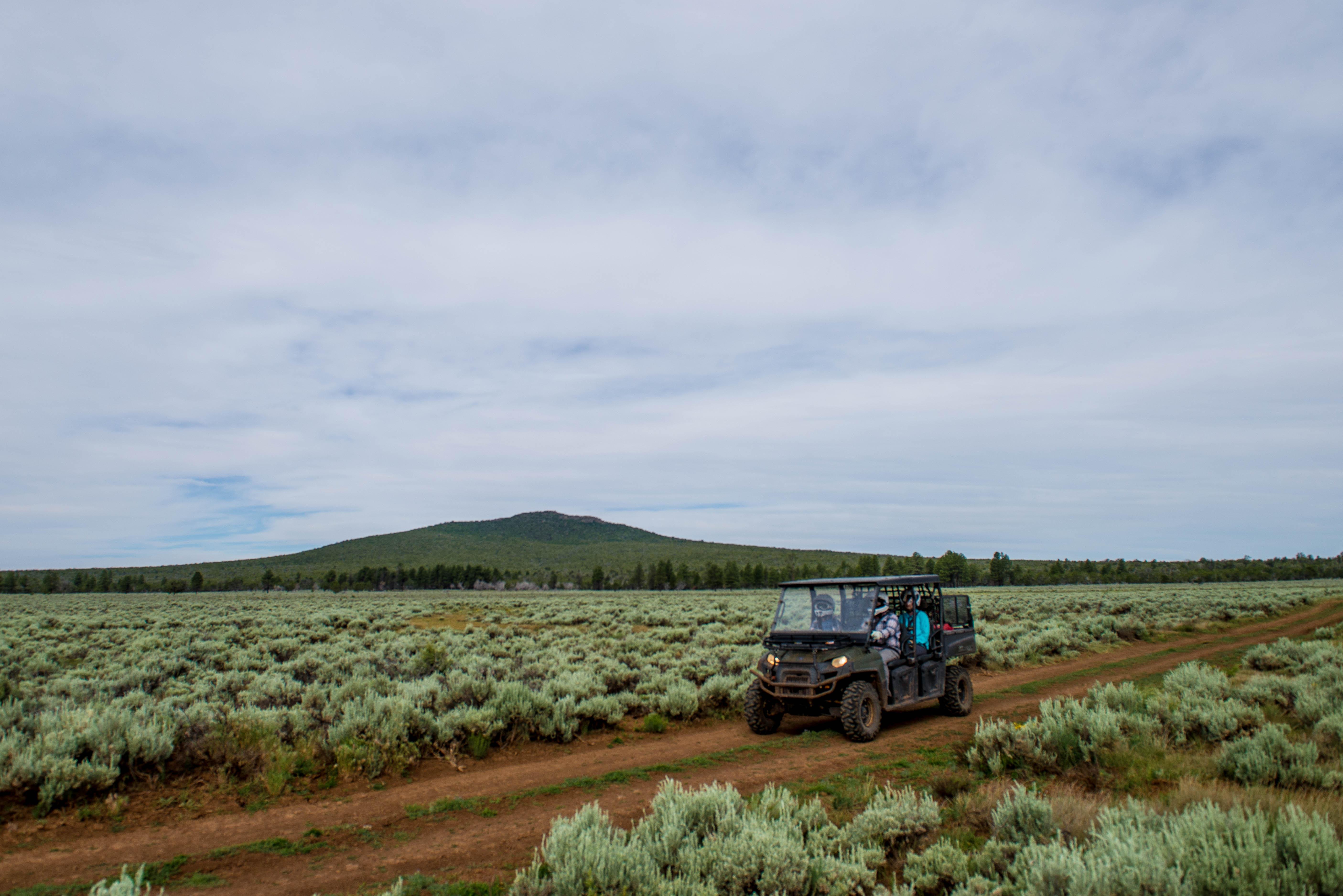
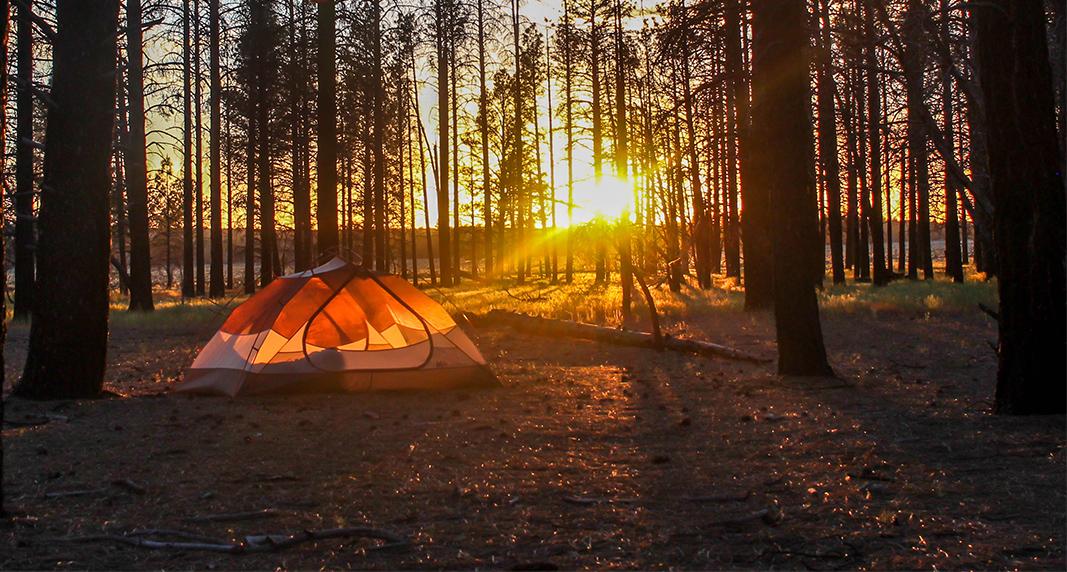
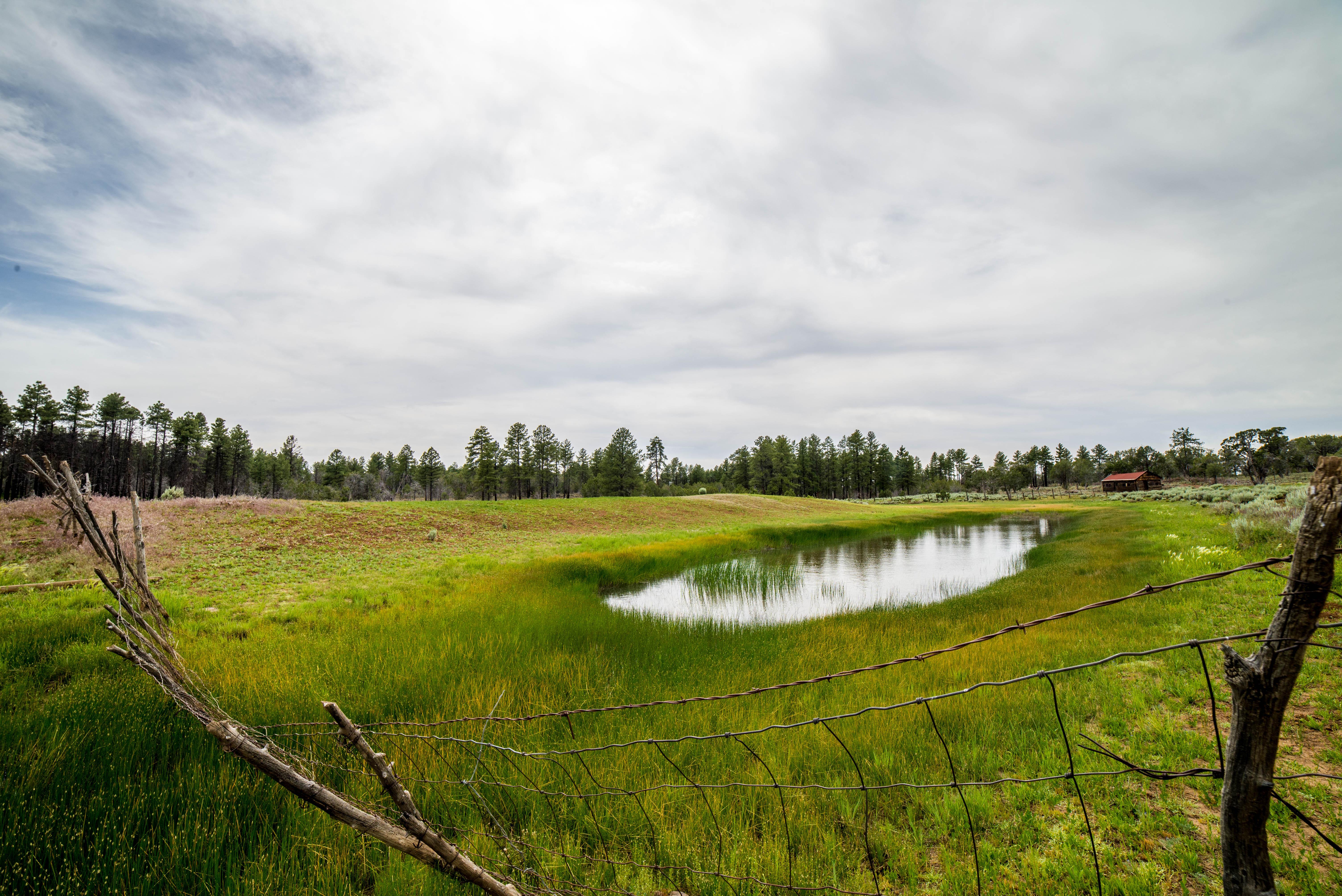
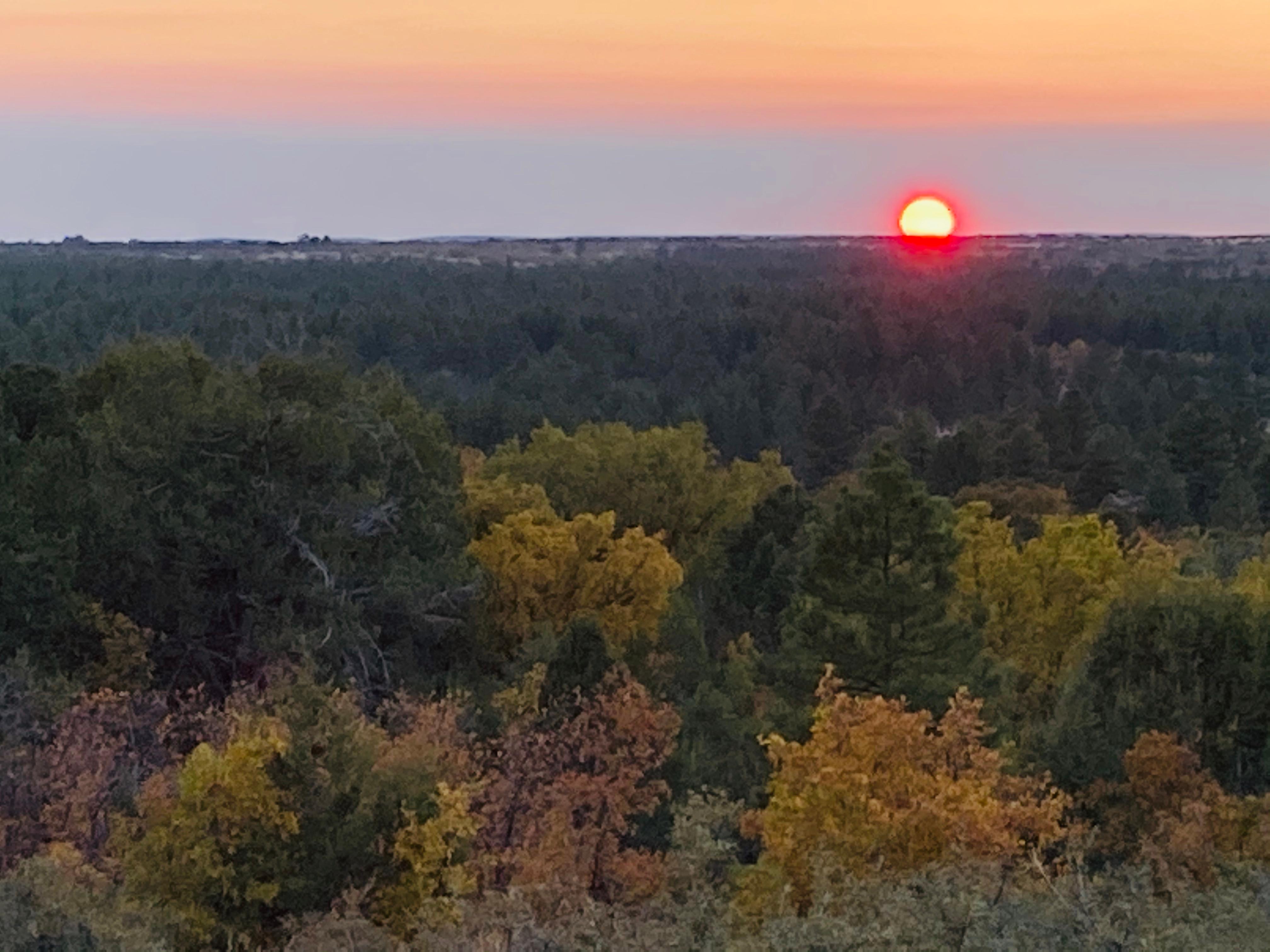
Near a cliff edge the sun sets in the distance.A UTV drives down a road surrounded on both sides by sageThe sun sets behind a grove of ponderosa trees lighting up an orange tent with a warm glowLooking across a long narrow stockpond. Green grass slopes towards the water.
National MonumentAZ

Grand Canyon-Parashant National Monument

NPS / NPS/T. Miller
71/ 100EXCELLENT
parkverdict Experience ScoreIndependent, not sponsored

71 of 100. Our independent metric for how much a unit documents and how easy it is to access, computed the same way for every park so the ranking is reproducible.

Produced by a transparent formula from public NPS data, not a guess. How we score

Our Verdict

Is Grand Canyon-Parashant National Monument worth it?

Parashant is not a park you stumble into.

Free and entirely undeveloped, this sprawling Arizona monument on the remote north rim of the Grand Canyon rewards self-sufficient adventurers with genuinely dark skies, serious backcountry terrain, and a silence that feels increasingly rare. But no visitor center, no paved roads, and roads that can become completely impassable mean this is a place that punishes under-preparation. Come ready or do not come at all. The payoff for those who do is real solitude and a landscape almost nobody else will share with you.

Who it is for

Built for experienced backcountry campers, overlanders with high-clearance 4WD vehicles, and dedicated stargazers chasing dark skies. Families with older kids willing to rough it can make it work via the Junior Ranger program. Casual day-trippers or anyone without off-road capability should look elsewhere.

Highlights

  • Exceptional stargazing with minimal light pollution across a vast, undeveloped landscape
  • Backcountry hiking and camping on terrain almost no other visitor will reach
  • ATV and scenic driving routes spanning both low Mojave Desert and high pinyon-juniper highlands
  • Free entry to one of the most genuinely remote monument landscapes in the Southwest

Editor's tipCheck road conditions directly with the BLM Arizona Strip Field Office before leaving pavement, since storms can make dirt roads impassable for days with zero warning. Carry extra water, fuel, and food for at least two extra days beyond your planned trip.
What you can do

Activities

Auto and ATVScenic DrivingAstronomyStargazingBikingCampingBackcountry CampingHikingBackcountry HikingJunior Ranger Program
Overview

About Grand Canyon-Parashant National Monument

Despite the hardships created by rugged isolation and the lack of natural waters, Parashant has a long human history spanning more than 11,000 years, and an equally rich geologic history spanning almost two billion years. Full of natural splendor and a sense of solitude, this area remains remote and unspoiled, qualities that are essential to the protection of its scientific and historic resources.

When to go

Parashant is split between low elevation Mojave Desert on the west side and high elevation pinyon/juniper/ponderosa highlands on the east side. Expect sun on average 310 days per year. The summer months of June through September are very hot on the west side with highs above 100°F daily (80°F+ at night) below 2,500 feet. The high elevation east side is ~15°F cooler. Expect heavy afternoon monsoon