parkverdict
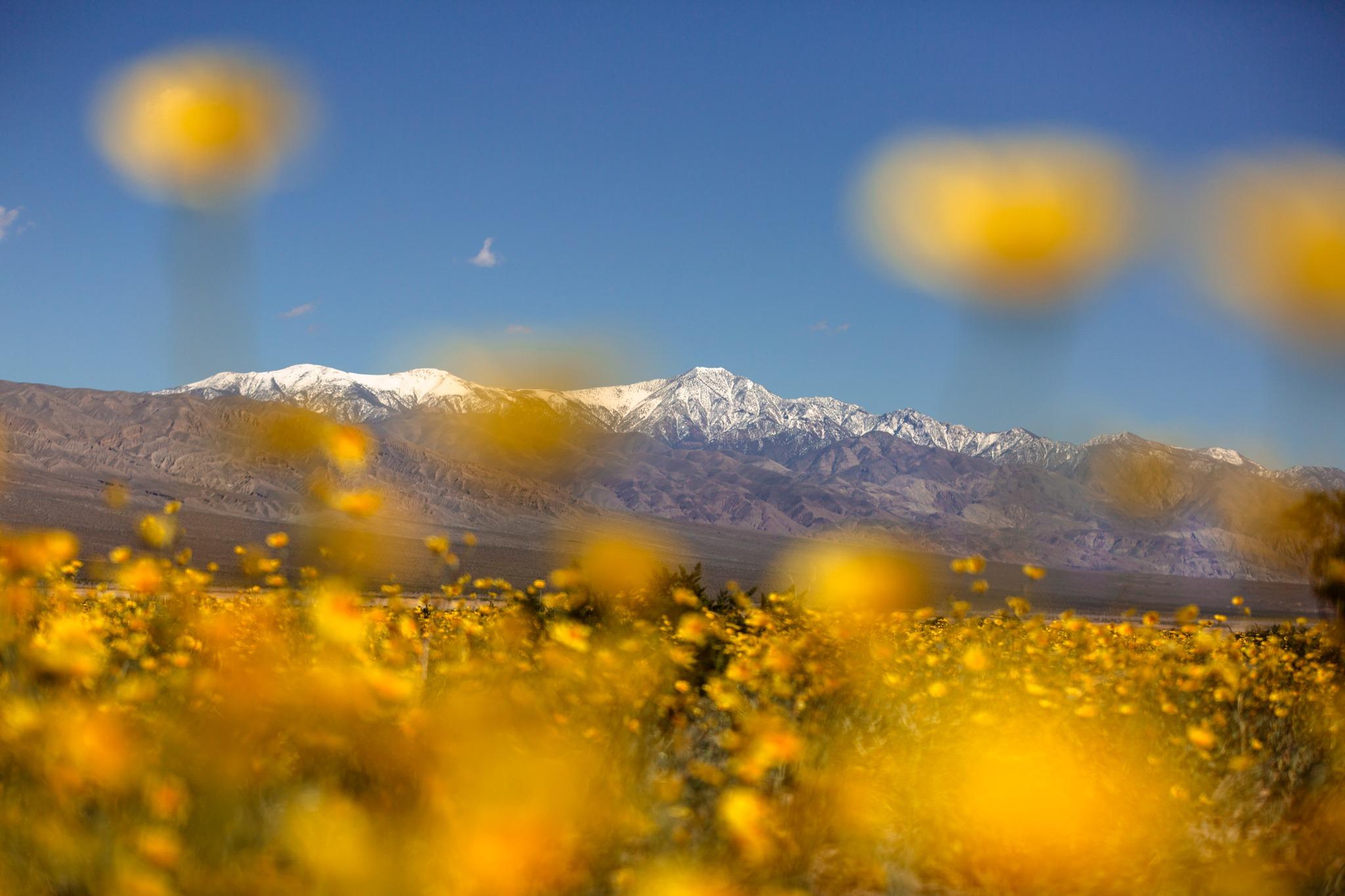
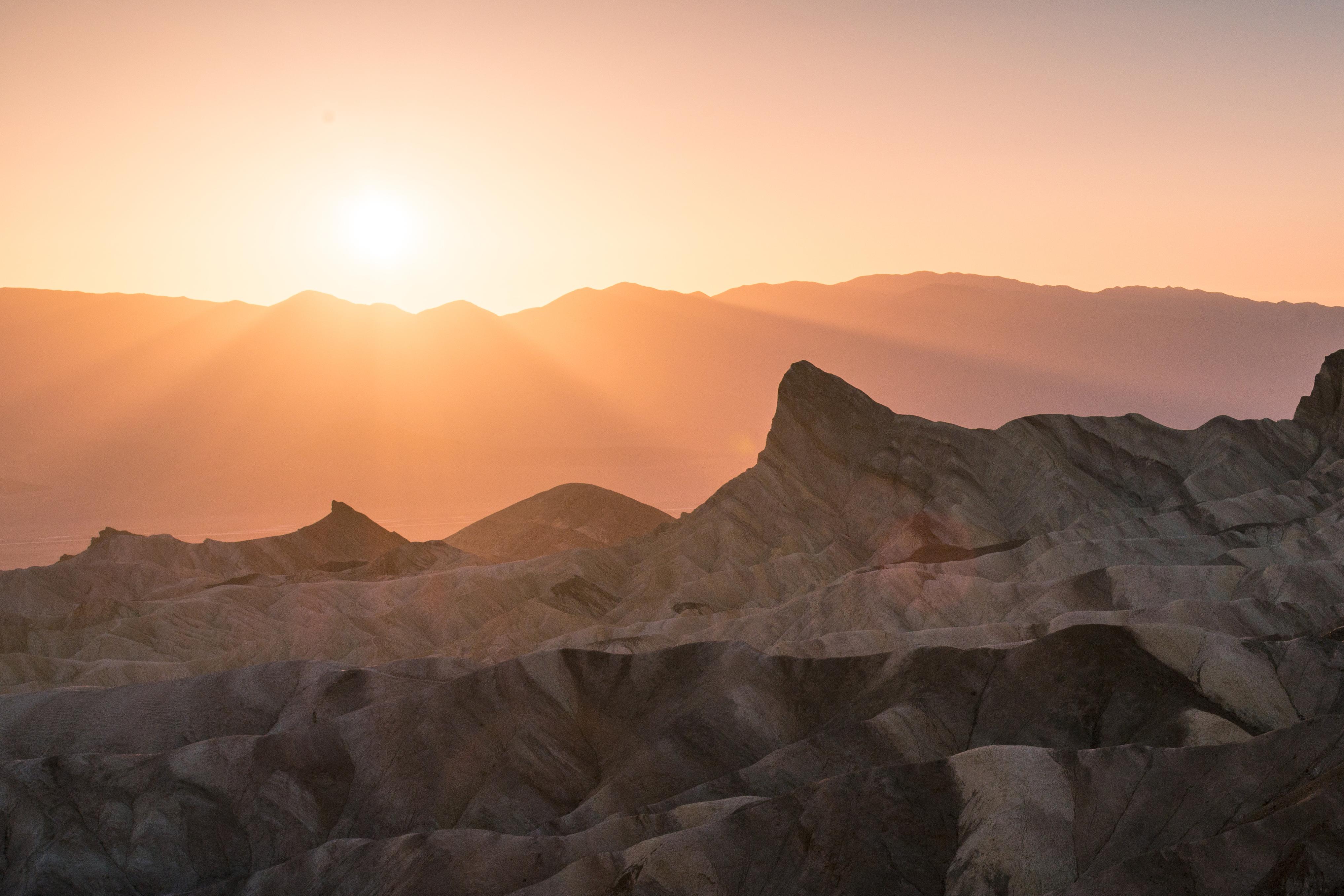
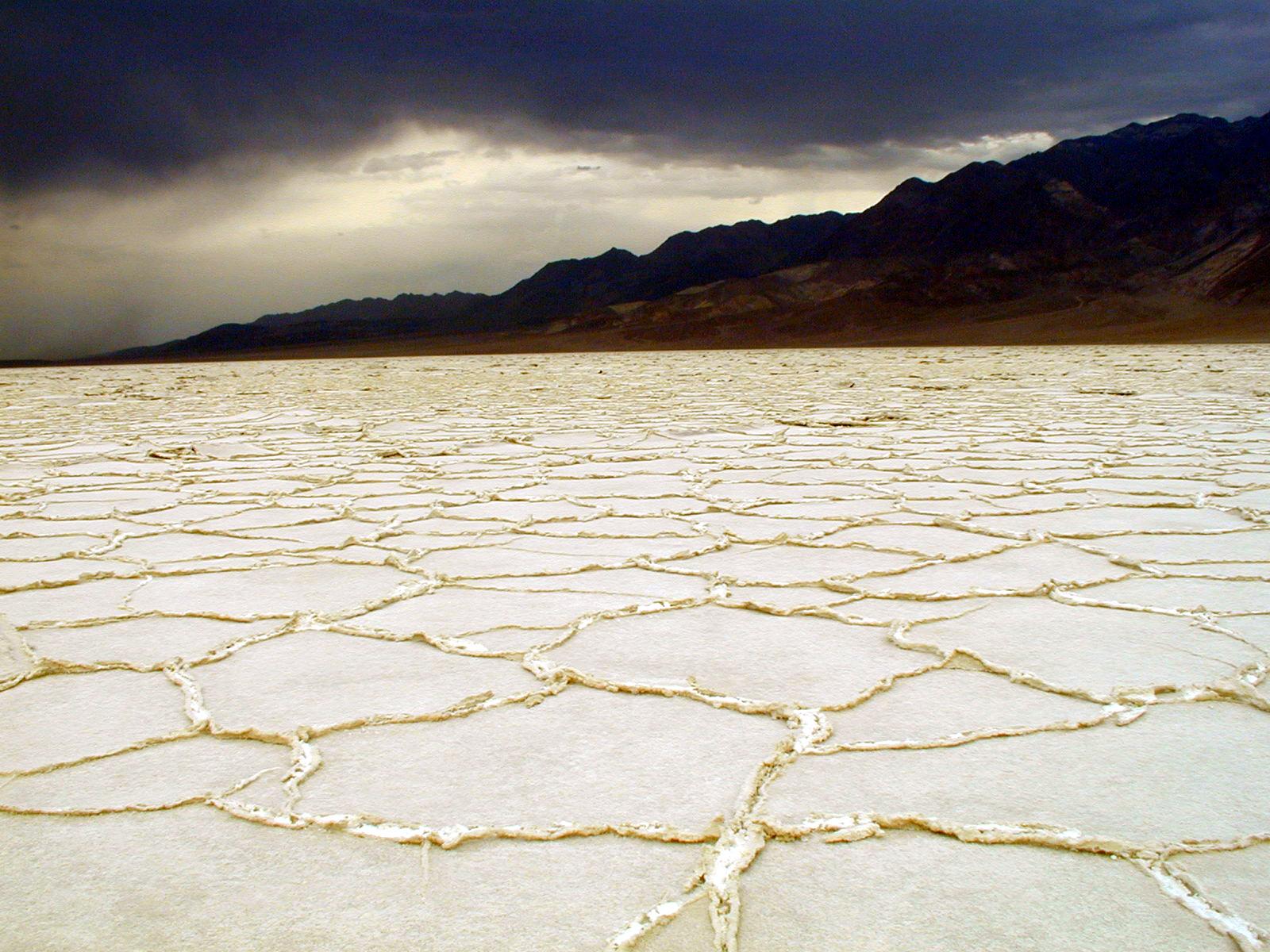
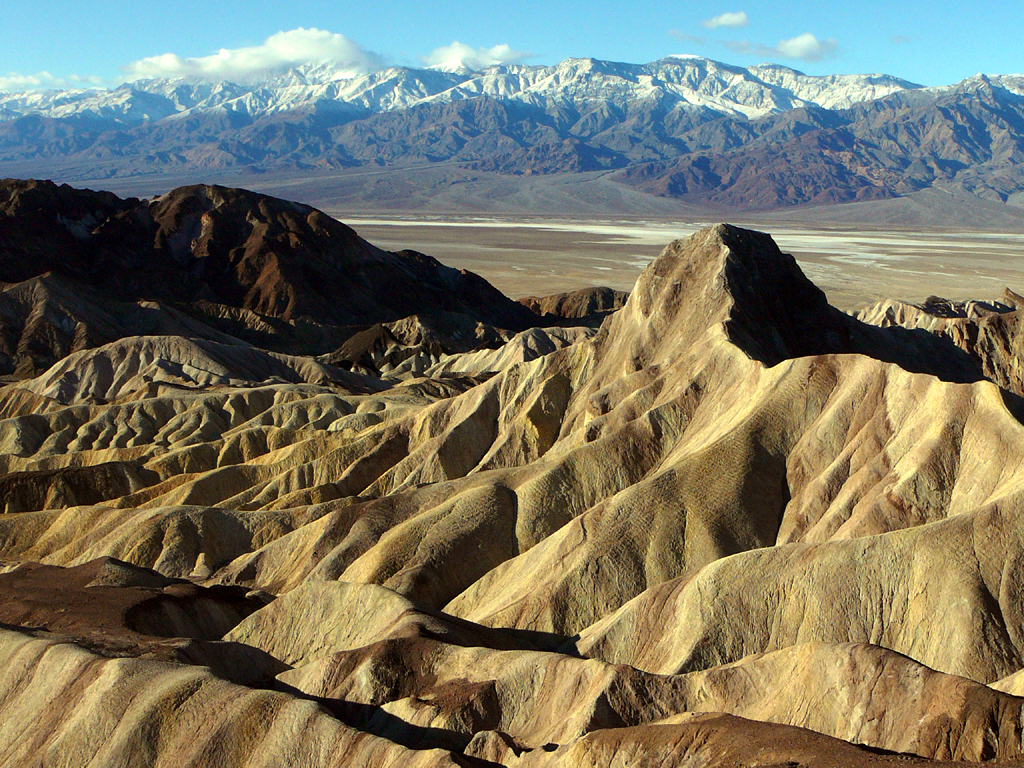
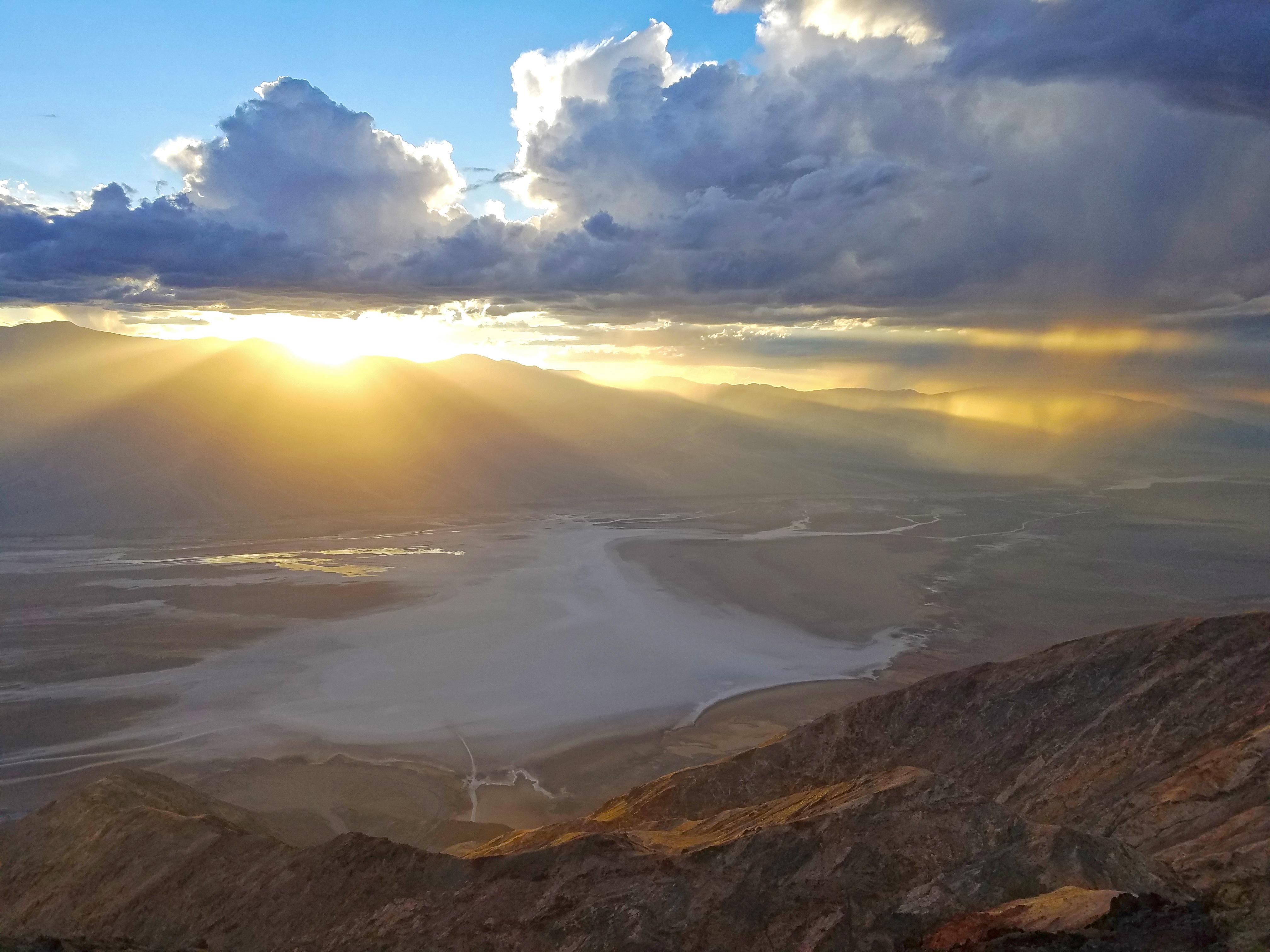
Snowcapped mountains surrounded by bright blue skies and frames by gold wildflowers on a valley floobadlands bathed in pale pink and orange light from the setting sunwhite salt flats with dark gray cloudsMorning light on the badlands below Zabriskie Point.
National ParkCA / NV

Death Valley National Park

NPS / NPS
100/ 100ESSENTIAL
parkverdict Experience ScoreIndependent, not sponsored

100 of 100. Our independent metric for how much a unit documents and how easy it is to access, computed the same way for every park so the ranking is reproducible.

Produced by a transparent formula from public NPS data, not a guess. How we score

Our Verdict

Is Death Valley National Park worth it?

Death Valley is not a park you visit casually.

It is the hottest, driest place in North America, and that extremity is the entire point. Come for the salt flats, the dune fields, the canyon scrambles, and skies so dark they redefine what stargazing means. The free entrance is genuinely remarkable for a park this size and this dramatic. Go in spring if you can, when wildflowers occasionally carpet the basin floor. Avoid summer unless you are heat-experienced and obsessively prepared. This is one of the most otherworldly landscapes in the country, full stop.

Who it is for

Geology obsessives, serious stargazers, desert hikers, and road-trippers who want scale and silence will love it. Families with young kids can manage it well in spring. Anyone who needs shade, green scenery, or mild temperatures should look elsewhere.

Highlights

  • World-class dark-sky stargazing far from city light pollution
  • Spring wildflower blooms that transform the valley floor after rare rains
  • Canyoneering and backcountry hiking through slot canyons and remote terrain
  • Birdwatching at desert oases where wildlife congregates around scarce water

Editor's tipBook Furnace Creek lodging or campsites months ahead for the February to April window, which fills fast. If you visit outside spring, plan every activity for early morning and carry far more water than you think you need.
What you can do

Activities

AstronomyStargazingBikingMountain BikingRoad BikingCampingBackcountry CampingCar or Front Country CampingCanyoneeringFoodFlyingGolfGuided ToursHikingBackcountry HikingFront-Country HikingHorse TrekkingLiving History
Overview

About Death Valley National Park

In this below-sea-level basin, steady drought and record summer heat make Death Valley a land of extremes. Yet, each extreme has a striking contrast. Towering peaks are frosted with winter snow. Rare rainstorms bring vast fields of wildflowers. Lush oases harbor tiny fish and refuge for wildlife and humans. Despite its morbid name, a great diversity of life thrives in Death Valley.

When to go

SPRING is the most popular time to visit Death Valley. Warm and sunny days with the possibility of spring wildflowers is a big attraction. SUMMER starts early in Death Valley. By May the valley can be scorching hot. AUTUMN arrives in late October, with warm but pleasant temperatures and generally clear skies. WINTER has cool days, chilly nights and rarely, rainstorms. With snow capping the high pe