parkverdict
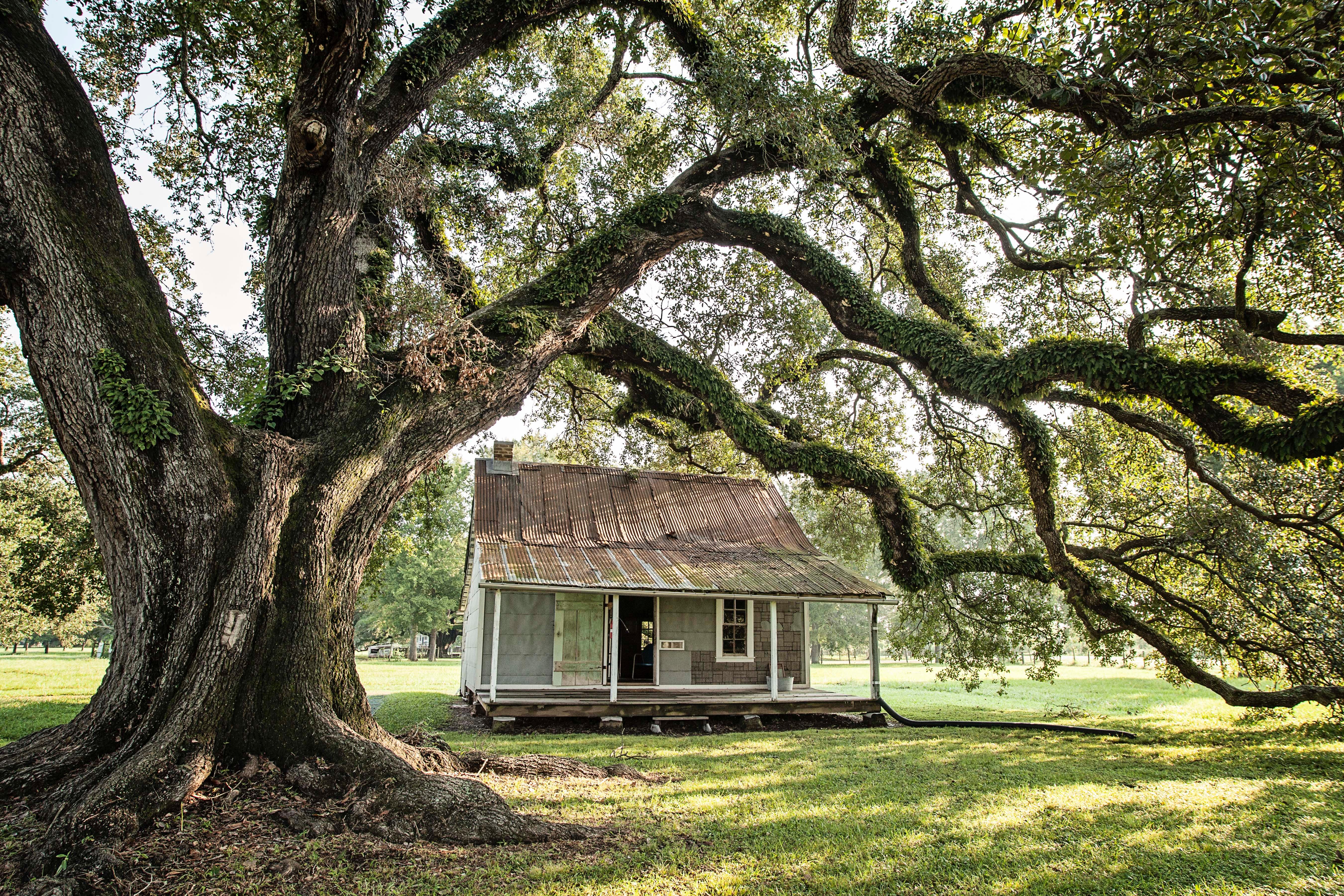
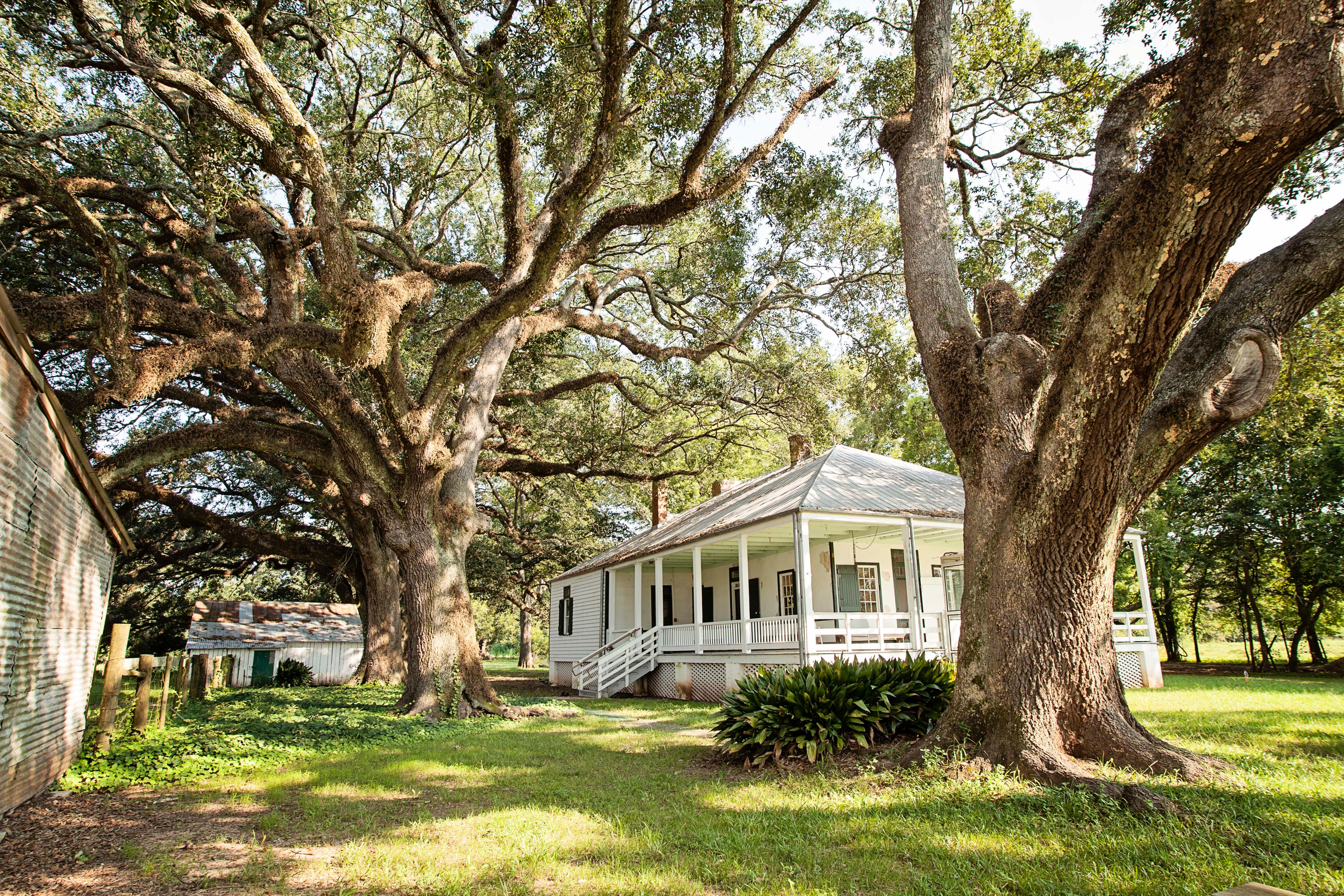
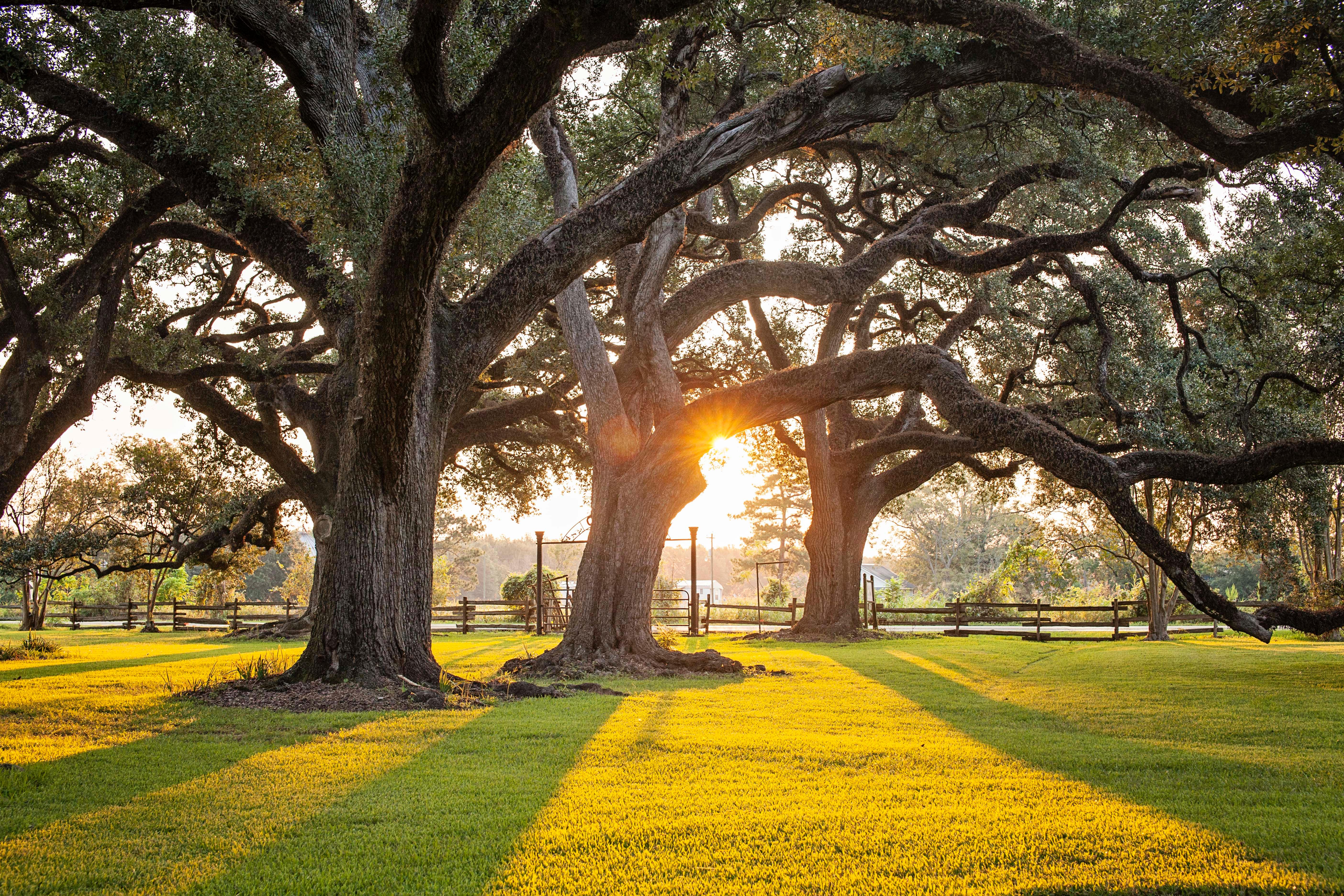
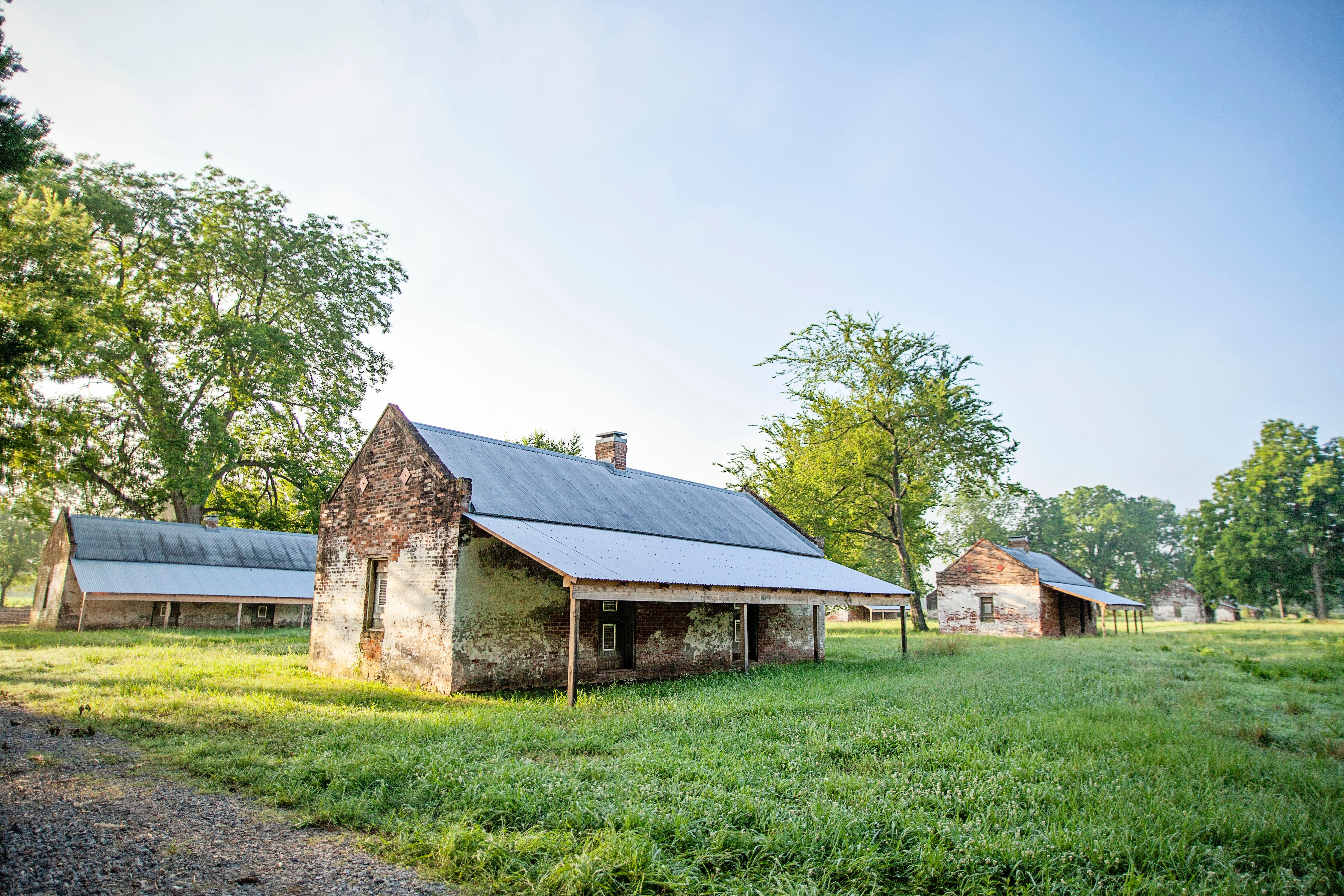
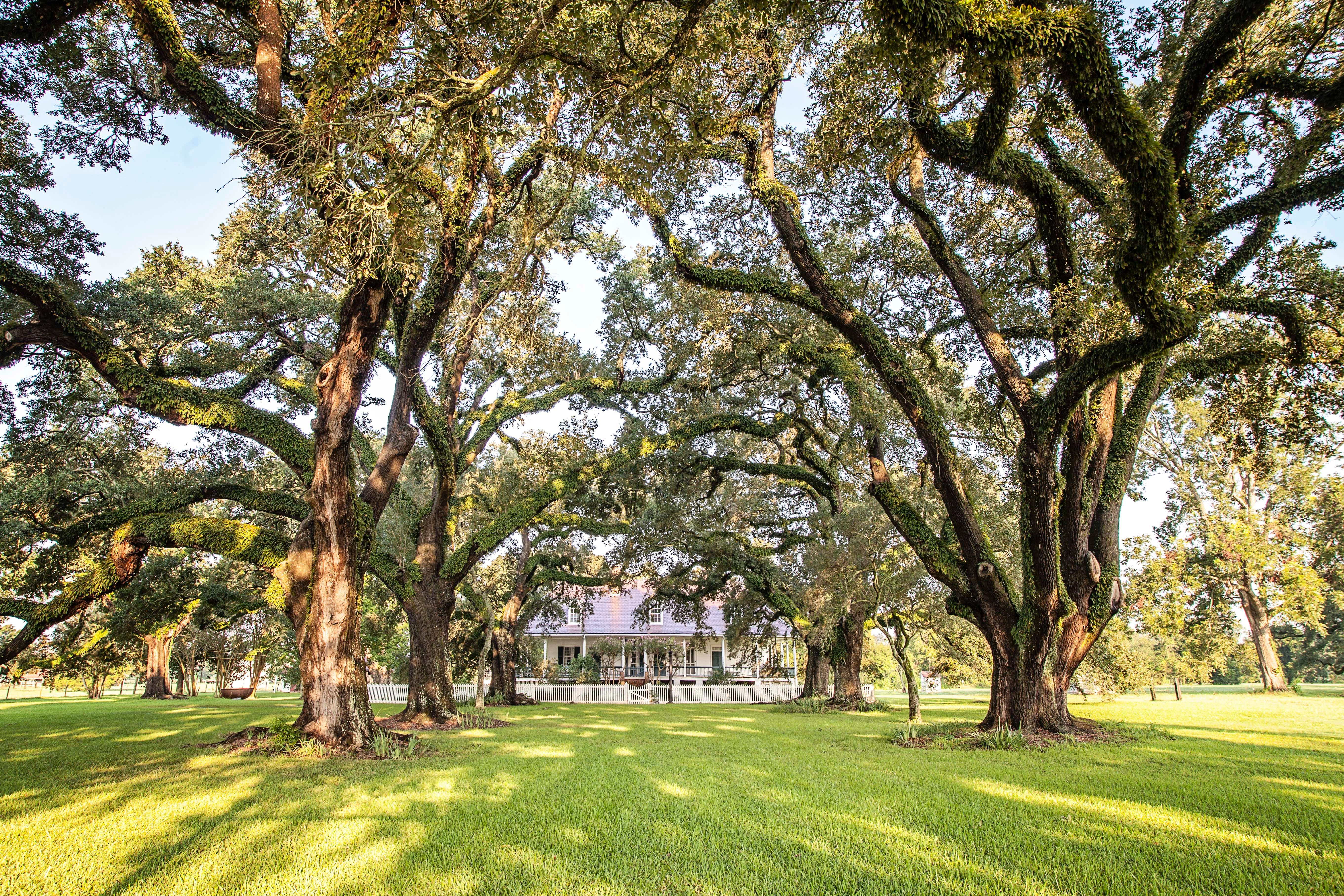
A small cabin sits beneath the branches of a Live Oak in the Oakland Plantation Quarters.A raised Creole cottage surrounded by oak trees.The sunrise shines through Live Oak trees at Oakland Plantation.Brick cabins built to house enslaved workers, served as homes for tenant farmers into the 1960s.
National Historical ParkLA

Cane River Creole National Historical Park

NPS / NPS Photo
49/ 100NICHE
parkverdict Experience ScoreIndependent, not sponsored

49 of 100. Our independent metric for how much a unit documents and how easy it is to access, computed the same way for every park so the ranking is reproducible.

Produced by a transparent formula from public NPS data, not a guess. How we score

Our Verdict

Is Cane River Creole National Historical Park worth it?

Cane River Creole is a serious history park, not a scenic escape.

It preserves two of the most intact Creole cotton plantation landscapes in the country, and it does not shy away from the full story: enslaved workers, tenant farmers, and plantation owners across generations. The guided tours make the difference here. Without them, the grounds are atmospheric but context-thin. Free admission lowers the bar to visit, but the Wednesday-Sunday, 9-to-3:30 window is genuinely restrictive. Come for the history, not the outdoors.

Who it is for

History-minded travelers, especially those interested in Creole culture, slavery's legacy, and Southern agricultural history. Families with curious older kids can engage through the Junior Ranger program. Casual nature seekers or anyone wanting a full-day outdoor adventure will likely feel underserved.

Highlights

  • Guided tours of Oakland and Magnolia Plantations that contextualize over 200 years of Creole cultural history
  • One of the most physically intact cotton plantation landscapes surviving in the United States
  • Arts, culture, and food programming rooted in the living Creole heritage of the Cane River region
  • Junior Ranger program that engages kids directly with the complex human stories of the site

Editor's tipPlan around the Wednesday-through-Sunday schedule and aim to arrive by mid-morning to catch a guided tour before afternoon heat sets in. Summer humidity in central Louisiana is brutal, so lightweight clothing and water are non-negotiable.
What you can do

Activities

Arts and CultureFoodPicnickingGuided ToursSelf-Guided Tours - WalkingJunior Ranger Program
Overview

About Cane River Creole National Historical Park

The Cane River region is home to a unique culture; the Creoles. Generations of the same families of workers, enslaved and tenant, and owners lived on these lands for over 200 years. The park tells their stories and preserves the cultural landscape of Oakland and Magnolia Plantations, two of the most intact Creole cotton plantations in the United States.

When to go

Weather in central Louisiana can be unpredictable. Summers are hot and humid. Winter is relatively mild with measurable snowfall every 5-10 years. Average rainfall is approximately 55-60 inches per year. The area is also subject to severe thunderstorms, hail, damaging winds, and tornadoes. Visitors might want to bring hats, umbrellas, and drink plenty of water. Please check the local weather forec