parkverdict
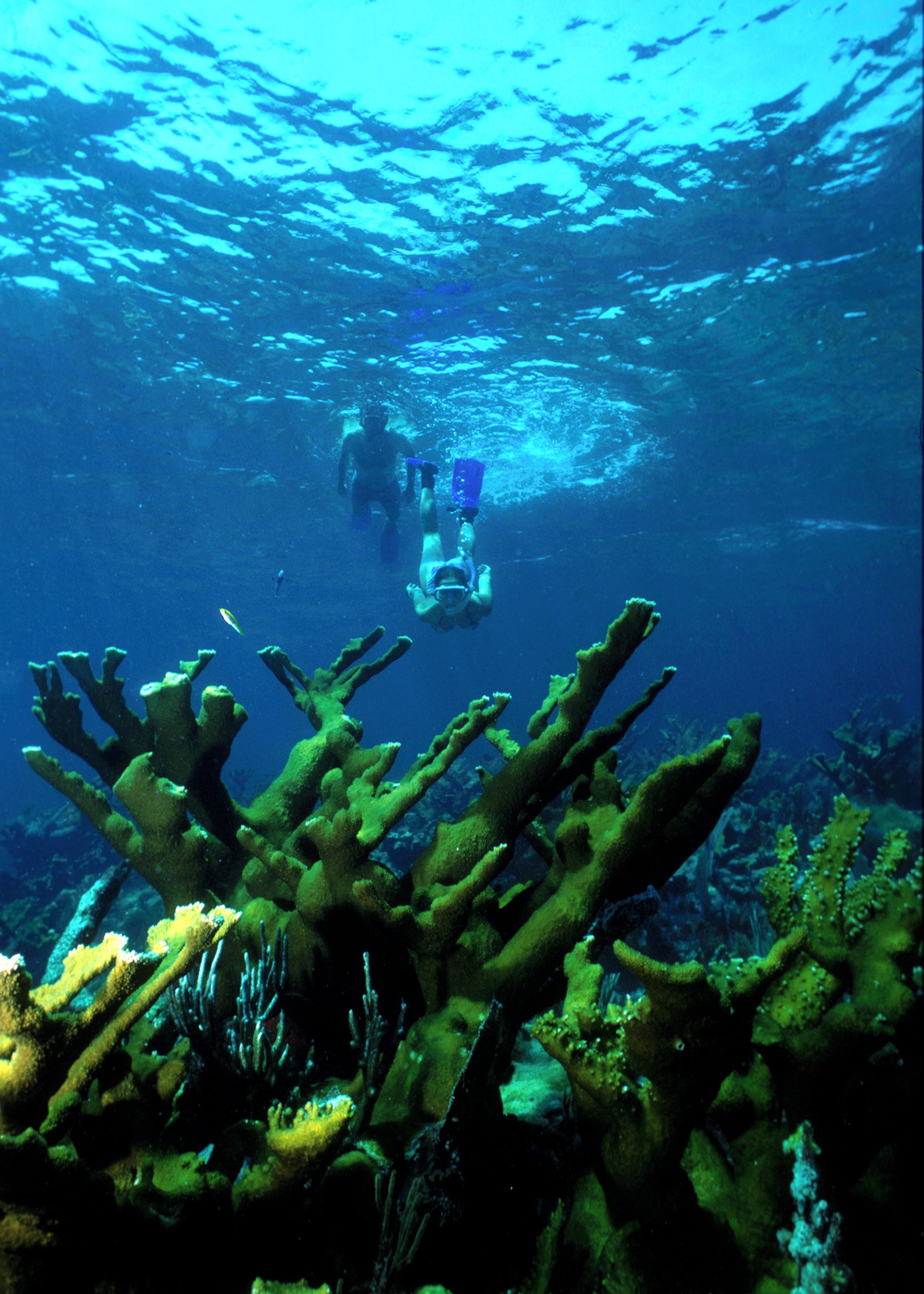
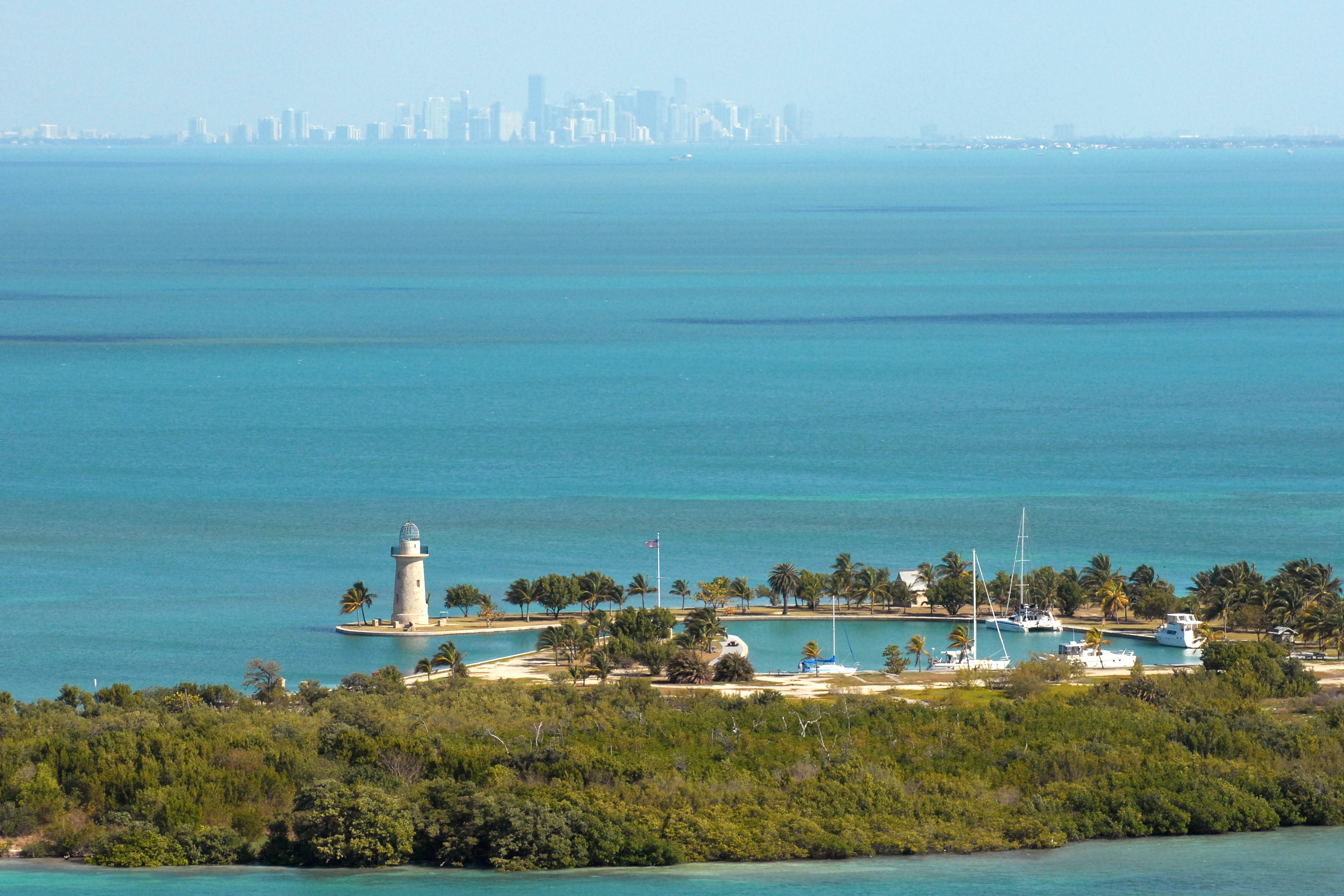
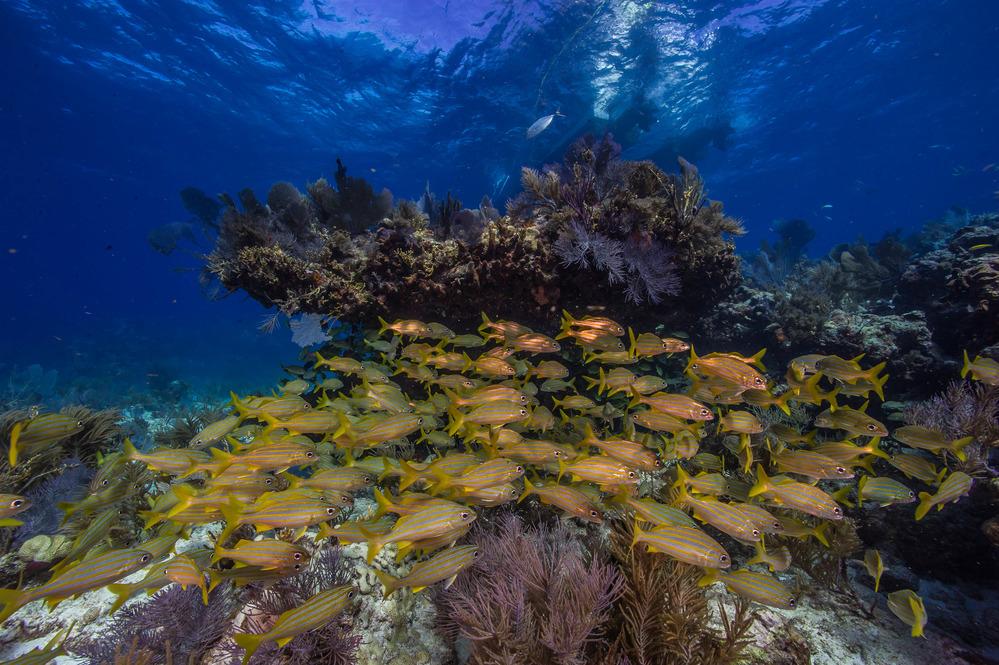
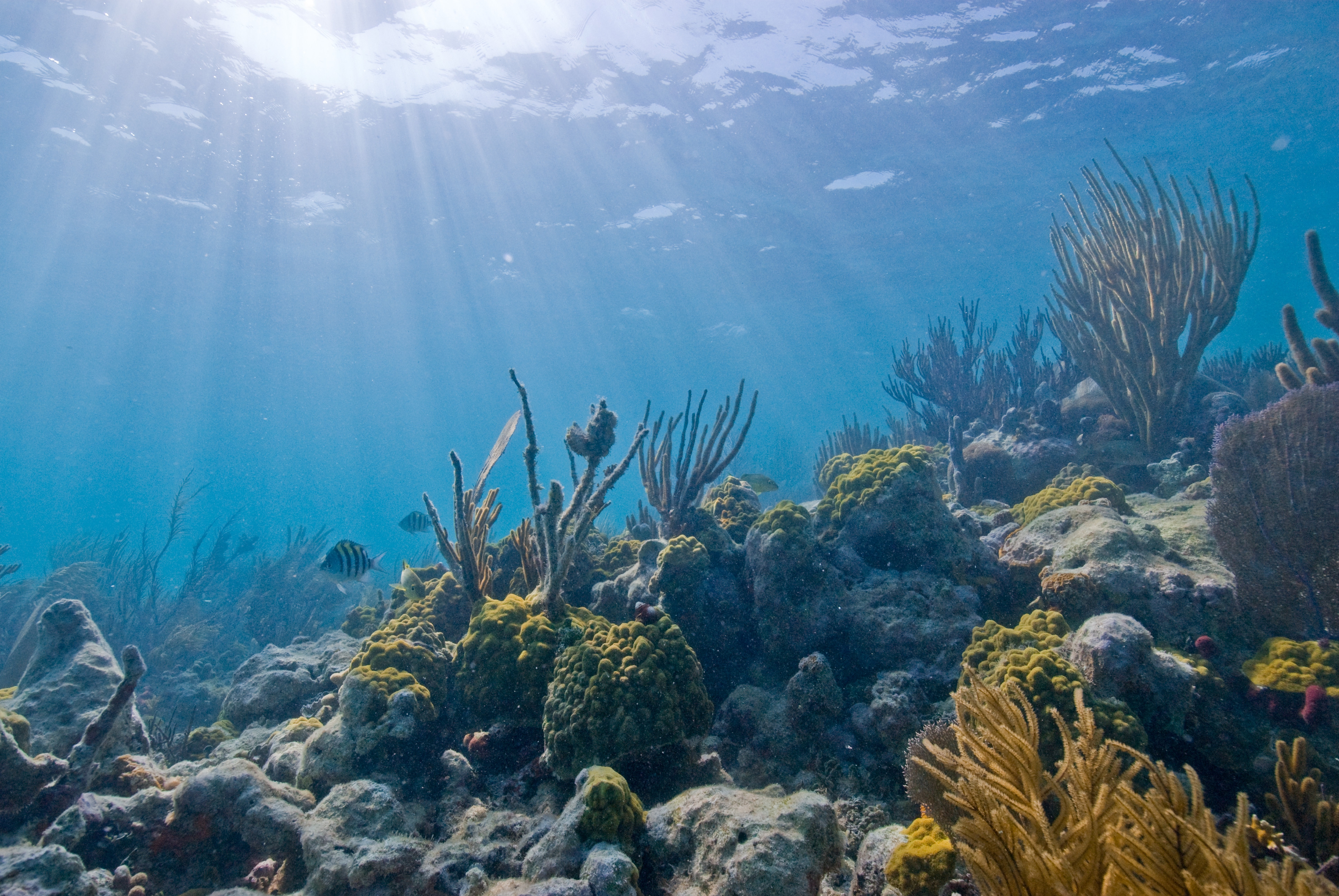
Coral reef with two snorkelers diving below the surfaceDowntown Miami in background.Underwater view of coral reef with a large school of yellow and blue fishThe coral reefs are located mostly on the Eastern side of the park.
National ParkFL

Biscayne National Park

NPS / NPS image by Shaun Wolfe
100/ 100ESSENTIAL
parkverdict Experience ScoreIndependent, not sponsored

100 of 100. Our independent metric for how much a unit documents and how easy it is to access, computed the same way for every park so the ranking is reproducible.

Produced by a transparent formula from public NPS data, not a guess. How we score

Our Verdict

Is Biscayne National Park worth it?

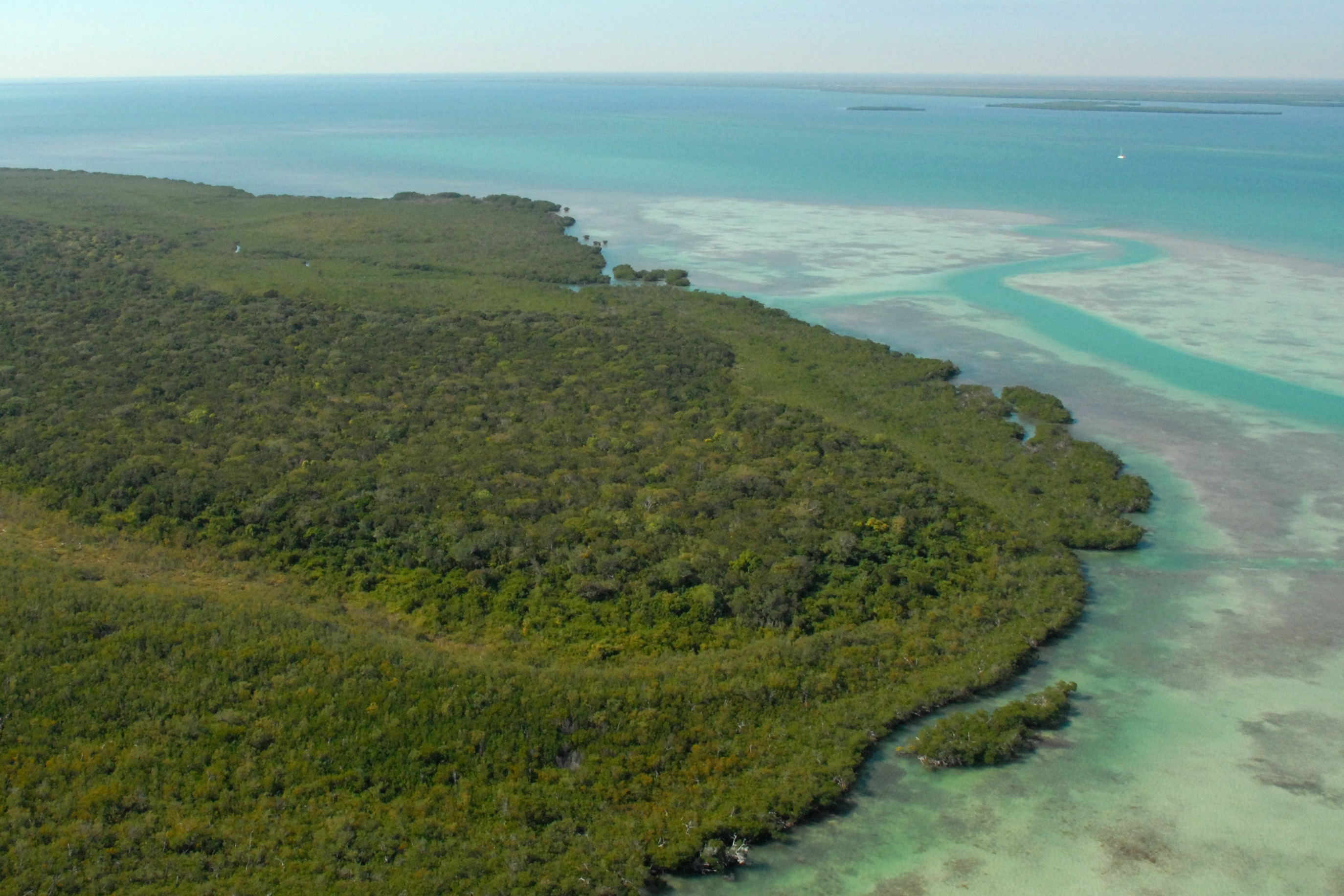
Biscayne is one of the most underrated parks in the entire system, hiding in plain sight south of Miami with 95 percent of its area underwater.

Free to enter and stacked with genuine tropical marine experience, it rewards anyone willing to get wet. Snorkeling over living coral, paddling through mangrove shorelines, and camping on remote barrier islands are all legitimately on the table here. If you stay on the mainland seawall and call it a day, you will miss the point entirely.

Who it is for

Built for water people: divers, snorkelers, kayakers, sailors, and anglers will find serious depth here. Families with kids who can swim and handle a boat tour will love it. Landlocked sightseers or hikers expecting trails should look elsewhere.

Highlights

  • Snorkeling and SCUBA diving on accessible Atlantic coral reefs within the park boundary
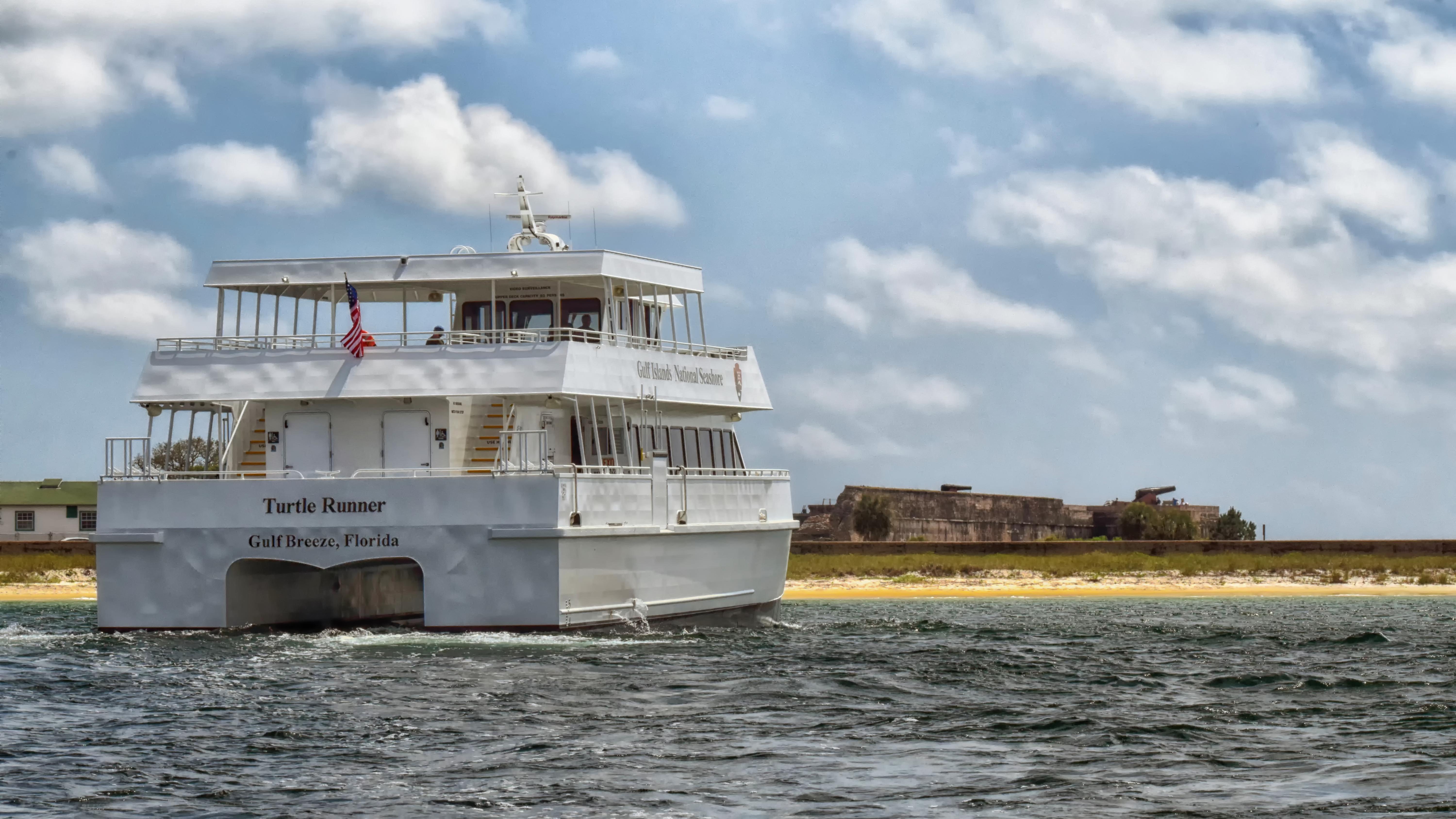
  • Guided boat tours that reach the barrier islands without needing your own vessel
  • Kayak and canoe launches directly from the main visitor area for self-guided mangrove exploration
  • Island camping that puts you overnight in a subtropical setting far from the Miami skyline

Editor's tipVisit between December and April to dodge afternoon thunderstorms and peak mosquito pressure on the islands. If you lack a boat, book the park concession boat tour early since seats fill fast on winter weekends.
What you can do

Activities

BoatingMotorized BoatingSailingBoat TourCampingFishingGuided ToursBoat TourPaddlingCanoeingKayakingStand Up PaddleboardingJunior Ranger ProgramSCUBA DivingSnorkelingSwimmingSaltwater SwimmingWildlife Watching
Overview

About Biscayne National Park

Within sight of Miami, yet worlds away, Biscayne protects a rare combination of aquamarine waters, emerald islands, and fish-bejeweled coral reefs. Evidence of 10,000 years of human history is here too; from prehistoric tribes to shipwrecks, and pineapple farmers to presidents. For many, the park is a boating, fishing, and diving destination, while others enjoy a warm breeze and peaceful scenery.

When to go

The park is situated in a subtropical climate, which ensures sunshine year-round. Winters are normally dry and mild, with occasional fronts bringing wind and little rain. Summer brings hot and humid weather with scattered thunderstorms in the afternoons. The average temperature in January is 68 degrees Fahrenheit and 82 in July. The average rainfall for the area is 2.17 inches in January and 3.95